Why supply is the story in Las Vegas this year
For most of the post-pandemic stretch, Las Vegas rents moved in one direction. Demand from new arrivals outran the housing stock, vacancy stayed tight, and owners pushed asking rents up at a pace that felt almost automatic. That chapter has closed. The defining force in the valley right now is not demand falling apart, because it has not, but new apartment supply finally catching up after years of heavy construction. Builders responded to the rent run-up the way builders always do, with cranes, and the units those cranes started two and three years ago are now opening their leasing offices all at once.
The result is a market that has shifted from landlord-favored to something closer to balanced, with pockets that genuinely favor renters. Average asking rents across Southern Nevada multifamily sat around $1,465 per unit in the first quarter of 2026 according to Colliers, up only slightly from $1,461 a year earlier, and several rent trackers showed valley rents running roughly one percent below year-ago levels by mid-year. That is not a collapse. It is a market digesting a wave of new product. For anyone who owns rental property here, or is weighing a purchase, understanding how this supply wave moves through the system matters more than any single rent number, and it ties directly into the broader question of whether Las Vegas is a good market for rental property in 2026.
How much new supply is actually hitting the valley
The scale of the pipeline is what makes this cycle different. Northmarq research points to roughly 4,200 multifamily units forecast to deliver across the Las Vegas metro in 2026, with the bulk weighted toward the second half of the year. In the first quarter alone, the Colliers report counted 1,464 units added across Southern Nevada. Over the trailing year, Northmarq data show roughly 3,200 units came online while net absorption ran closer to 1,500, which tells you the core dynamic in plain terms. New apartments arrived faster than tenants filled them, and that gap is what pushed vacancy higher and held rents flat.
Absorption is the word that matters most here. It simply means the number of units that actually get leased and occupied. When deliveries outpace absorption, landlords compete for the same pool of renters, and competition shows up as concessions before it shows up as lower headline rents. A free month, waived application fees, reduced deposits, and gift cards are all ways an owner protects the face rent on the lease while quietly cutting the effective rent the tenant pays. If you only watch advertised asking rents, you miss this, and the real softening in 2026 has been larger than the published numbers suggest. This is also why local owners track the Las Vegas vacancy rate in 2026 as closely as they track rent itself.
Where the new units are concentrated
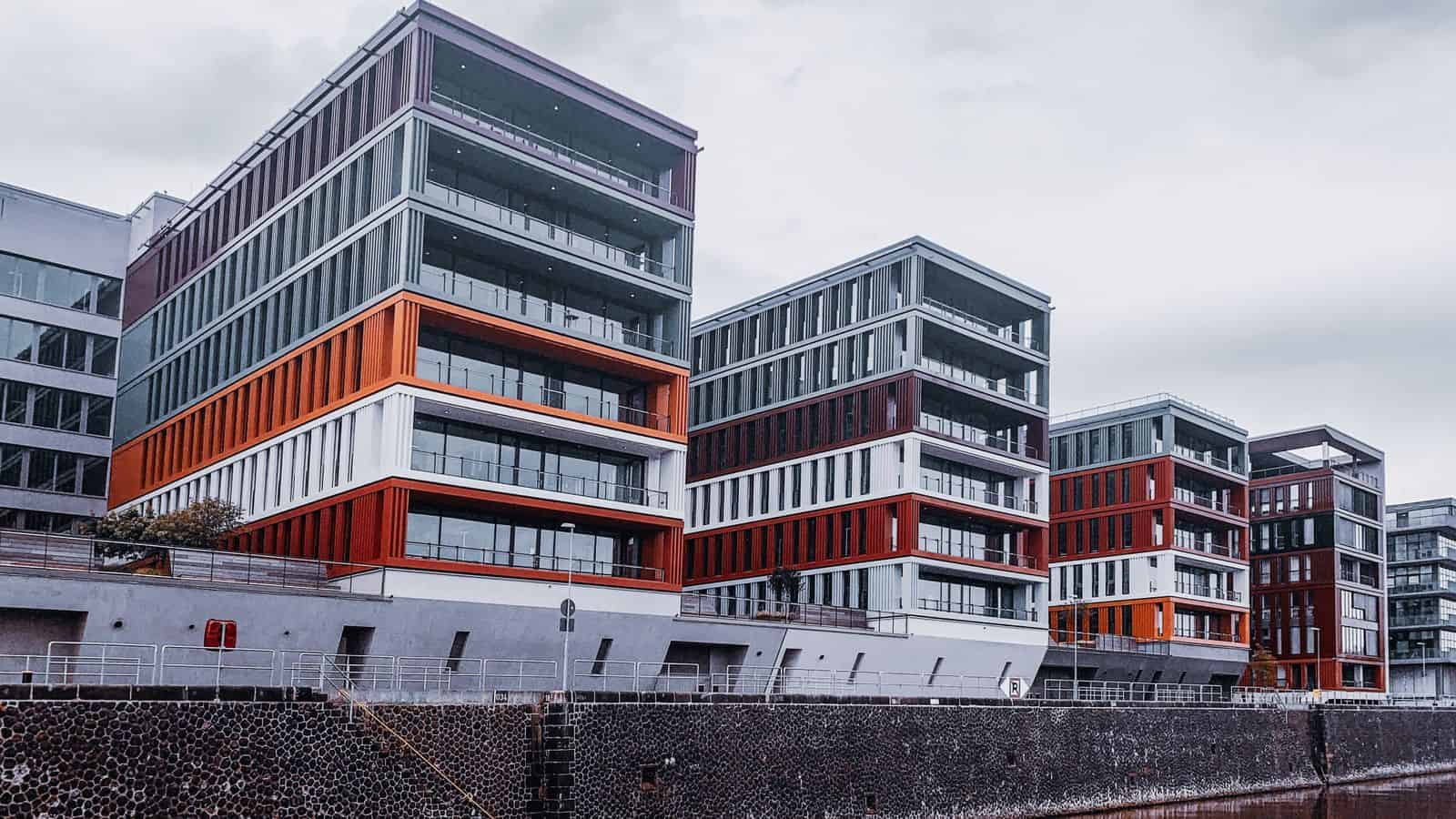
Supply does not land evenly across the valley. The bulk of new institutional apartment construction in this cycle clustered in the submarkets developers find easiest to underwrite, which tends to mean the southwest, parts of Henderson, the southeast near the airport corridor, and select infill sites closer to the resort core. Those are the areas where a Class A renter can choose among three or four brand-new lease-up communities within a short drive, and where the concession war is most intense.
Older Class B and Class C properties in more established neighborhoods feel this differently. A 1990s garden-style community in the central valley is not competing head to head with a glass-and-steel lease-up offering a rooftop pool and co-working lounge. It competes on price and on the simple fact that its rents sit several hundred dollars below the new product. That price gap is the cushion that protects older assets when supply floods the top of the market. Owners evaluating which pockets are absorbing demand fastest should look at where the population is actually landing, which overlaps heavily with the fastest growing Las Vegas neighborhoods and the job centers anchoring them.
What is keeping demand from cracking
The reason this is a digestion story and not a downturn comes down to demand. Clark County is still adding people at a healthy clip. The Center for Business and Economic Research at UNLV projects the county’s population growing roughly 1.7 percent in 2026, which works out to somewhere near 42,000 new residents in a single year. You can confirm the underlying county and metro figures directly through the U.S. Census Bureau data for Clark County, which is the cleanest baseline for population and household counts.
Those new residents have to live somewhere, and Nevada remains a renter-heavy state because home prices and mortgage rates have priced a large share of would-be buyers out of ownership. When buying a house is out of reach, households stay in the rental pool longer, which keeps a floor under apartment demand even as supply rises. The same UNLV center forecasts employment growing around 1.1 percent in 2026, a rebound from a soft prior year, with healthcare and other diversifying sectors adding jobs beyond the traditional leisure and hospitality base. Steady job formation plus steady in-migration is the engine that absorbs new units over time, and the relationship between hiring and leasing is covered more fully in our look at how Las Vegas job growth drives rental demand.
What this means for rents in the second half of 2026
Put the two forces together and you get the most likely path for the rest of the year. Heavy deliveries in the back half keep competitive pressure high through the summer and early fall, especially in the supply-heavy southwest and Henderson submarkets. That argues for flat to modestly negative asking rents in the most saturated areas, paired with continued concessions on new lease-ups. As those units lease and the pipeline beyond 2026 thins out, the market should tighten again. Many forecasts have valley rents bottoming sometime this year before shifting back into low single-digit growth, with vacancy easing rather than spiking.
For owners, the practical takeaway is that 2026 is a year to defend occupancy rather than chase rent. An empty unit at an aspirational price loses far more money than an occupied unit at a realistic one, and in a market with this much competing inventory, an aggressive renewal increase is the fastest way to hand your tenant to the lease-up down the street. Holding good tenants is cheaper than replacing them, which is exactly why so much owner attention this year sits on reducing tenant turnover on Las Vegas rentals.
What investors should read into the supply wave
For buyers, a supply-heavy soft patch is not automatically bad news. Some of the best entry points in real estate come precisely when sentiment is cautious and sellers are realistic. Flat rents and elevated vacancy compress current cash flow, which can pull asking prices down and improve the yield a patient buyer locks in. Transaction pricing in Las Vegas multifamily has actually firmed over the past two years as buyers position ahead of the next tightening cycle, which tells you smart money is treating this supply wave as temporary rather than structural.
The discipline an investor needs in this environment is underwriting to today’s reality, not yesterday’s peak. That means modeling realistic rents net of concessions, building in a vacancy assumption that reflects the current pipeline rather than the tight 2022 market, and stress testing the deal against another year of flat rents before any recovery. Running the fundamentals carefully matters more now than in any frothy year, and the core return metrics are worth revisiting deal by deal, from the cap rate environment in Las Vegas to the rent figures behind every projection. Buying into a supply wave with conservative numbers is how you end up owning a strong asset when the cycle turns, rather than a stranded one.
How owners can position through the cycle
Whether you hold one rental or a small portfolio, the playbook for a supply-driven market is consistent. Price units to lease, not to impress, because the cost of vacancy almost always exceeds the cost of a slightly lower rent. Compete on the things new construction cannot easily copy, which for an established property often means location, established landscaping, lower rent relative to amenities, and a responsive owner who fixes problems fast. Keep maintenance sharp and tenant communication strong, because retention is the single highest-leverage move in a year when new supply makes every move-out expensive.
This is also where professional management earns its keep. A management partner watching the submarket every week knows what the lease-up down the road is actually offering, what concessions are live, and where the true clearing rent sits, which is information a part-time owner rarely has in time to act on. That market read is central to how disciplined property management in Las Vegas protects owner returns when supply is heavy. The owners who come through 2026 in the strongest shape will be the ones who treated the supply wave as a known, plannable phase of the cycle, defended occupancy, kept good tenants, and stayed ready to grow rents again the moment the pipeline thins and demand catches back up.
For the full scope of how we manage Las Vegas rentals end to end, see our property management services.
Need Help Managing Your Las Vegas Rental?
IRES takes the stress out of property management. Whether it’s tenant screening, lease enforcement, rent collection, or just getting your time back, we’ve got you covered.
Call us: 702-478-2242
Email: brandy@iresvegas.com
Or visit our Contact page
This article provides general information about Nevada landlord-tenant law and federal fair housing requirements and should not be considered legal advice. For specific legal questions, consult a licensed Nevada attorney.