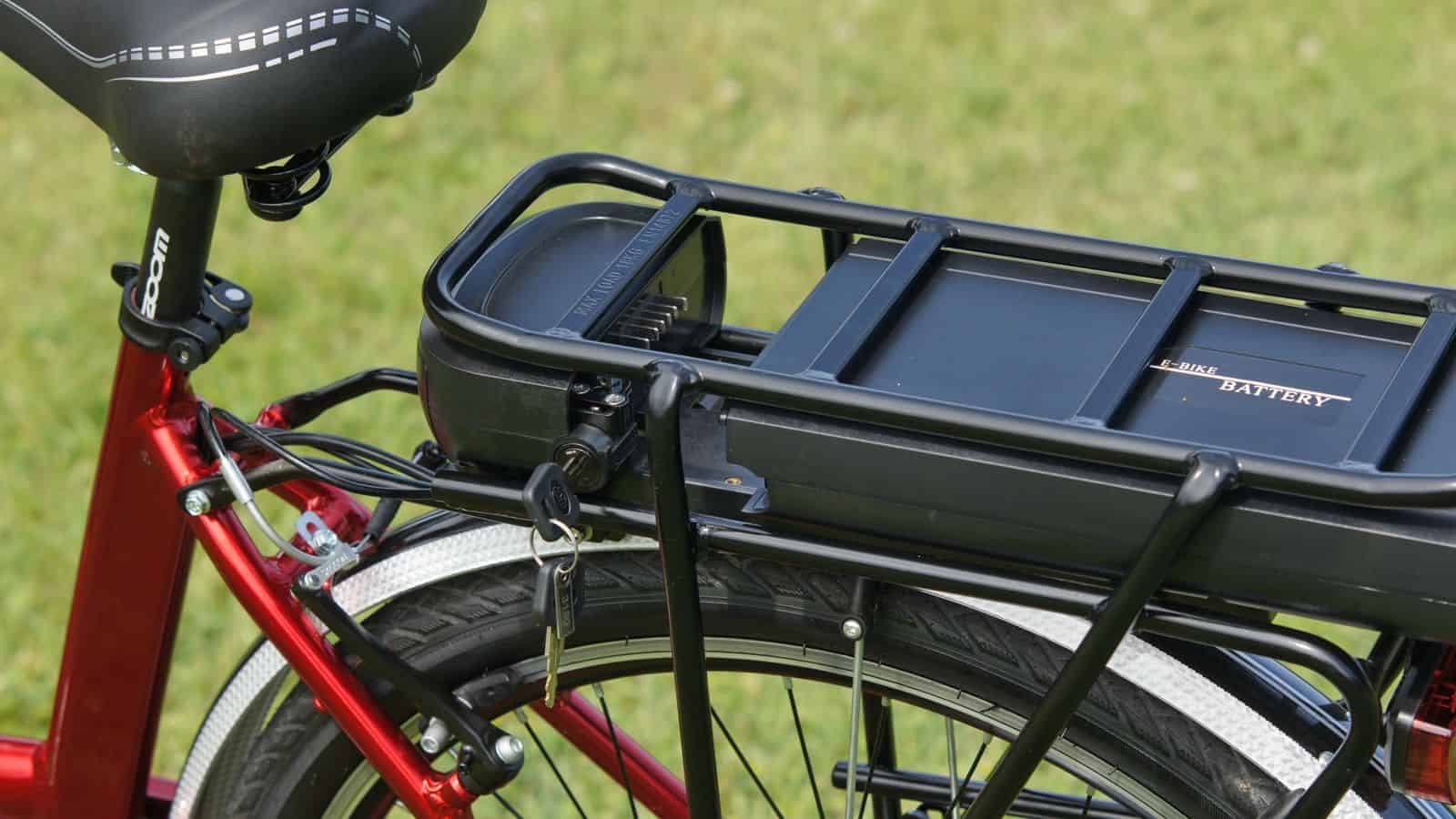
A Las Vegas rental owner concerned about e-bike batteries needs two separate plans: a charging policy reviewed for the tenancy, and emergency instructions that put people before property. A lease form cannot make a damaged battery safe. Start by asking the property manager what the current lease actually says, where a resident can charge without obstructing an exit, and which professional should review a proposed change. Avoid issuing a blanket device ban or copying a rule from an unrelated apartment community.
Fire Prevention Week runs October 4 through 10 in 2026. The National Fire Protection Association campaign is an opportunity to review charging habits and the rental file together. This article explains the questions owners can take to a manager, attorney and fire-safety professional. It is not a ready-to-sign addendum, a guarantee of enforceability or an instruction to handle a failing battery.
The useful result is a clear record of responsibilities. The resident needs practical instructions for the equipment they use. The owner needs to know that proposed rules fit the property and existing agreement. The manager needs an escalation process that separates an ordinary policy question from an emergency. Those are different jobs, and assigning all three to a generic maintenance ticket creates avoidable confusion.
Why a Lithium-Ion Battery Fire Is Not a Normal House Fire
Battery damage can trigger uncontrolled heating, fire and the release of flammable gases. The U.S. Fire Administration describes thermal runaway and reignition risks. A pack that appears quiet after an incident should not be treated as safe by a tenant or property manager. Firefighters and other qualified responders need to assess the hazard.
Keep the response message unmistakable. USFA advises people experiencing a lithium-ion battery fire to evacuate and call 911, rather than attempt to extinguish it. Its battery-safety guidance also warns against blocking an exit with a charging e-bike or scooter. A resident should not have to move the device to reach the door. Do not direct someone to carry a smoking, hissing or dangerously hot battery through the home.
For a Las Vegas property, inspect the actual proposed charging location instead of assuming the garage is suitable. Check the equipment manufacturer’s temperature limits, the available outlet and the path to the exit. USFA’s battery fire-safety advice cautions against excessive heat and direct sunlight. A named location in an addendum is not a substitute for checking the conditions at that address.
What Nevada Law Does and Does Not Say
NRS 118A.320 sets conditions for landlord rules about use and occupancy. Among them are a proper purpose, a reasonable relationship to that purpose, fair application, sufficiently clear instructions, good faith and notice. The statute also limits changes affecting charges and existing pet rights. An attorney should evaluate a proposed battery rule against the complete provision, the rental agreement and any other applicable requirements.
Disability-related equipment needs separate attention. The HUD and Justice Department reasonable-accommodation guidance explains that housing rules may need exceptions or adjustments for a person with a disability. Do not treat a powered mobility aid as an ordinary recreational-bike policy problem or assume that a general ban resolves it. Route accommodation questions for an individualized review.
Our discussion of Nevada lease addendums is related background, but a signature is not the only route described in NRS 118A.320. For a later rule that materially modifies the bargain, subsection 2 describes express written consent or 30 days’ advance written notice. That does not mean every proposed change is lawful after 30 days. Have counsel check the particular change, notice and agreement before choosing an effective date or enforcement response.
The Charging Rules That Belong in the Addendum
Use the following categories as a review agenda, not a universal lease clause. Have a qualified reviewer decide which terms fit the particular property and tenancy. Give residents clear contact information for policy questions and a separate emergency instruction.
Where charging is allowed
- Identify a suitable charging location after checking the product instructions and property layout. Keep the charging device away from escape routes; do not automatically designate a hot garage.
- Devices and spare batteries are kept away from the front door and the door from the garage into the house.
- No charging on a bed, a sofa, carpet or any soft surface, and nothing stacked on top of a charging pack.
- If the proposed location is unsuitable, ask for professional advice before imposing a different location. Do not improvise an electrical installation or tell a tenant to charge outside contrary to product instructions.
What equipment is used
- Only the charger supplied by the device manufacturer, or one the manufacturer lists as compatible.
- Use properly certified equipment from a reputable supplier. Have replacement-battery compatibility checked against manufacturer guidance rather than accepting an unknown pack because its connector fits.
- Chargers plug directly into a wall outlet, not into a power strip, extension cord or multi-plug adapter.
- Charging is attended in the sense that the tenant does not leave the property or go to sleep with a pack on charge, and the pack comes off the charger when it is full.
Storage and quantity
- Ask a qualified reviewer whether a quantity limit is justified by the actual space and equipment. Do not invent a universal number of batteries that is supposedly safe.
- Storage away from heat sources, direct sun and anything flammable, and never in a vehicle in summer.
- Do not modify a battery pack or charging system. Refer compatibility and replacement questions to the manufacturer or a qualified service provider.
Damaged batteries and disposal
- Stop using a damaged or abnormal battery. If there is smoke, hissing, dangerous heat or another indication of an active incident, move people to safety and call emergency services. Do not require the resident to move the battery.
- For a non-emergency disposal question, contact the manufacturer and a facility that accepts that battery type and condition. Do not put lithium-ion packs in household trash or ordinary recycling, and do not assume a store collection bin accepts damaged e-bike packs.
- Notify the manager once it is safe to do so. An emergency call comes before a maintenance request; the resident should not wait for a manager to authorize evacuation or emergency assistance.
Each rule should be short enough to be checked on an inspection walk. “Charger plugged directly into wall” is checkable. “Tenant will exercise caution” is not.
Wording That Holds Up If You Ever Need It
Have the reviewer distinguish a proposed rule from the remedies available if it is broken. A form should not promise automatic eviction, an automatic damage charge or a single notice procedure for every event. Ask who investigates the facts, who advises on the response and how the resident receives any required notice. Document the approved version and effective date so the manager is not enforcing a draft that was never adopted.
A photograph can help record the agreed layout without proving that a charging setup is safe. Record the date and purpose of the image, avoid unnecessary images of personal possessions, and arrange any access lawfully. If the layout later changes, ask the resident and manager to review it. Insurance questions belong with the carrier or agent: do not promise that a renters policy pays first or that a battery-related loss is covered.
Condos, Townhomes and HOA Rules
Ask the association for its current written rules before assuming what applies in a condo, townhome or gated community. Identify whether a rule concerns the private dwelling, a shared hallway, a garage or another common area. Keep the association’s document separate from the landlord’s proposed rule, with a source and version date. A lease clause and an association rule are not interchangeable documents.
If the rules appear inconsistent, send the conflict for review before instructing the resident. For example, a landlord may propose a garage location while the actual parking arrangement gives the resident no exclusive garage. That is a fact to resolve, not a reason to assume indoor charging is automatically safe. Record the answer and who approved it so the same conflict does not recur at renewal.
Smoke Alarms, Insurance and the Owner’s Side of the Ledger
The physical property also needs attention. Arrange checks of alarms and relevant building features by the appropriate qualified person, and follow the alarm manufacturer’s maintenance instructions. A working door or alarm is a protective measure, not a guarantee that a fire stays in one room. Our overview of smoke alarm and carbon monoxide rules for Nevada rentals helps frame the questions; confirm the requirements for the actual building with the local authority.
Ask your insurance agent how the actual policy treats the property, its use and a battery-related incident. Send the specific question and retain the written answer or endorsement. Avoid assuming that the absence of the words “e-bike exclusion” guarantees coverage. Our guide to landlord insurance in Nevada explains the broader policy conversation, but only the applicable policy and claim facts determine a particular coverage outcome.
A Fire Prevention Week Checklist for Rental Owners
- Ask the manager for the current lease and any existing charging or storage rules before proposing another form.
- Have counsel review the proposed wording, accommodation process, notice and effective date for the tenancy.
- Arrange appropriate alarm and property-condition checks; track any repair separately from the policy review.
- Record the agreed layout and keep the approved rule version with the rental file.
- Ask the relevant insurance professional about coverage rather than making assumptions from a certificate alone.
- Add a line item to your next inspection checklist so the rules are actually looked at, not just signed.
- For condos and gated communities, pull the association’s current rules and align your addendum with them.
What to Ask Your Property Manager Before Adopting a Rule
Ask the manager to explain what is included in your existing service and what needs a separate attorney, electrician, fire-safety professional or insurance review. Useful questions include who distributes the approved rule, where the acknowledgment or notice record is stored, and how the team distinguishes an emergency from a routine question. An owner should also know who follows up on an unresolved concern after the initial call. Request the actual process rather than assuming a standard battery addendum or guaranteed response time exists.
Bring those questions to a discussion of IRES property management services in Las Vegas. The goal is a documented arrangement that fits the home and the tenancy, with responsibilities agreed before an incident. Keep the emergency message simple: get people to safety, contact emergency services when needed, and do not wait for a lease dispute or maintenance authorization to be resolved.
This article is general information for Las Vegas rental owners and is not legal advice. For questions about a specific lease or a specific situation, consult a Nevada attorney.