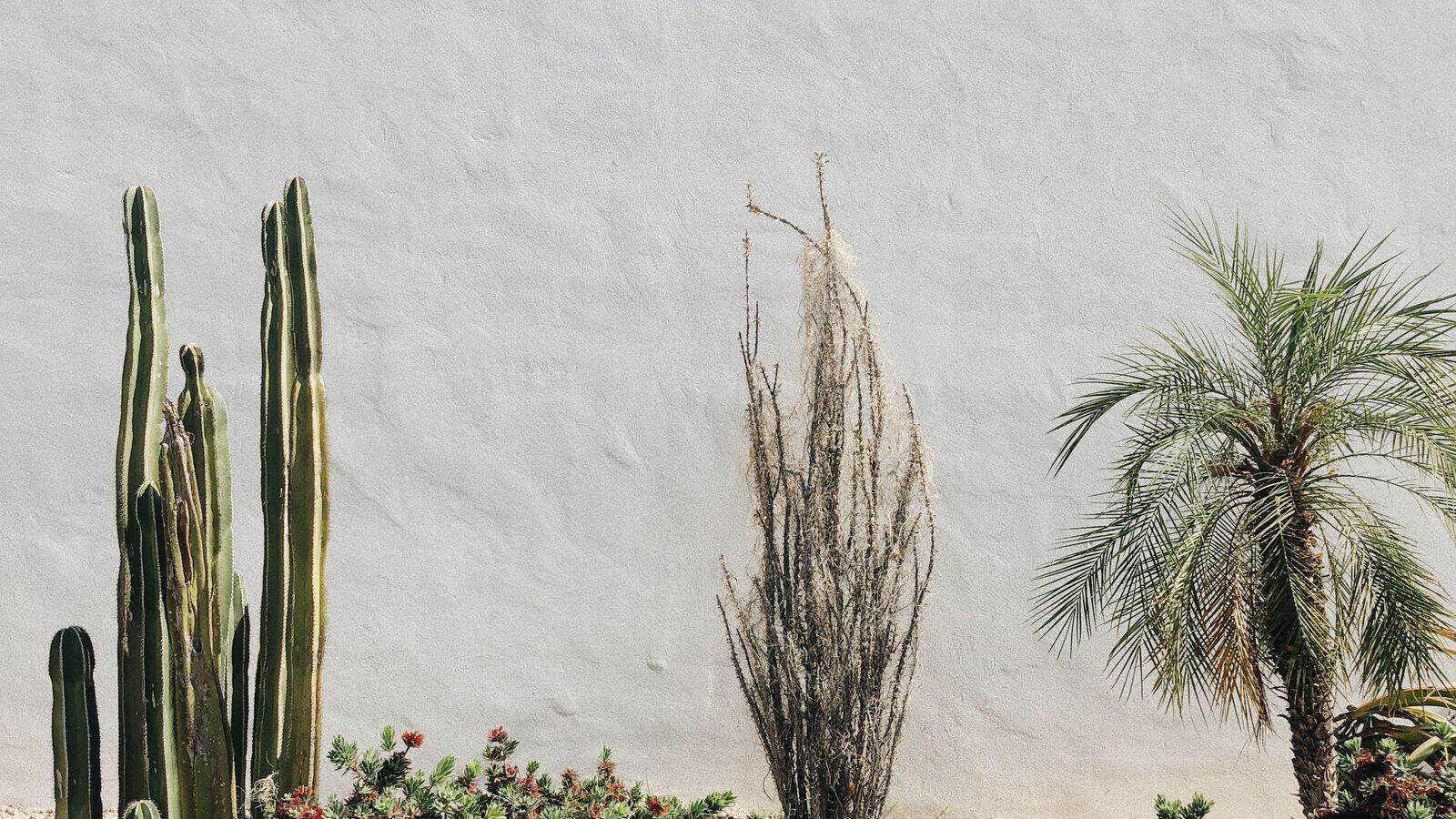
Most of the front yards in the Las Vegas valley are rock now, and a surprising number of landlords assume that means the landscaping takes care of itself. It does not. Rock beds grow weeds, drip lines crack in the sun, trees drop limbs, and the decorative gravel that looked crisp at move-in slowly turns gray and thin. The xeriscape rock landscaping dispute Las Vegas rental owners run into most often is not about who mows a lawn. It is about who pulls the weeds, who fixes the drip emitter that has been spraying the sidewalk for a month, and who pays when the HOA sends a violation letter about the dead shrub by the garage.
The short answer is that the lease decides, and where the lease is silent, the split usually falls along a simple line. The owner keeps the system and the living structure of the yard working, meaning the irrigation clock, the valves, the drip lines, and the trees. The tenant handles the routine care that any occupant can reasonably do, meaning weeds, debris, keeping the water schedule set correctly, and reporting problems early. When a lease spells that out in plain words, most disputes never start.
This guide walks through what desert landscaping actually needs month to month, how to write the responsibility split so both sides understand it, what the common flashpoints look like, and how a professional manager handles a landscaping complaint before it becomes a deposit fight.
What a Rock Yard Actually Needs in the Desert
The myth is that xeriscape means no maintenance. The reality is that it means less water and a different kind of maintenance. A rock and drip yard in Spring Valley or Henderson still has a working irrigation system feeding every plant, and drip systems need attention because they fail quietly. A cracked emitter does not flood a yard the way a broken sprinkler head does. It just stops delivering water, and the plant dies over a few weeks while the tenant assumes everything is fine.
The Southern Nevada Water Authority explains on its page about installing and maintaining a water smart landscape that drip systems apply water slowly and deeply to a plant’s root zone, which reduces evaporation and runoff. That is exactly why they work in the desert, and exactly why a failure is easy to miss. The same guidance recommends fall as the planting season and a layer of mulch a few inches deep kept clear of the plant stem, which matters when you are deciding whether a replacement shrub goes in during July or waits for October.
Here is the realistic maintenance list for a typical single family rental with rock beds, a few desert trees, and drip.
- Weeds. Rock does not stop weeds. After a wet winter, a rock yard in Centennial Hills can sprout a carpet of them in two weeks. Pre-emergent treatment in late winter and again before summer monsoon season keeps it manageable.
- Drip inspection. Walking the lines once a month, looking for geysers, dry plants, and emitters that have popped off. This takes ten minutes and prevents most plant losses.
- Irrigation clock. The watering schedule changes by season under the regional watering rules, and someone has to physically adjust the controller.
- Tree care. Mesquite, palo verde, and acacia trees grow fast and drop debris. Structural pruning every year or two prevents limb failures in the wind.
- Rock replenishment. Decorative gravel migrates and thins over a few years. Topping it up is an owner improvement, not a tenant task.
- Debris after wind events. Spring wind storms leave palm fronds, tumbleweeds, and neighbors’ trash in every yard on the block.
Drawing the Line Between Owner and Tenant
The cleanest way to think about it is to separate the system from the surface. The system is everything that costs real money to fix and that a tenant cannot reasonably be expected to diagnose. That means the controller, the backflow device, the valves, the main lines, the drip tubing, and the trees. The surface is what any resident can handle with a rake, a pair of gloves, and a few minutes a week. That means weeds, litter, leaves, keeping emitters clear of debris, and reporting anything that looks wrong.
Our overview of landscaping and irrigation maintenance for Las Vegas rentals goes into the seasonal calendar in more depth. The point for a dispute is that the split has to be written down, because tenants reasonably assume that a rock yard is zero effort and owners reasonably assume that a tenant will not let a weed patch take over the front of the house.
What Belongs in the Lease Clause
A good landscaping clause for a desert rental does five things. It names the tenant’s routine duties in plain words. It states that the owner maintains the irrigation system and trees. It requires the tenant to report irrigation problems within a short period of noticing them. It addresses the watering schedule, either by assigning the clock to the tenant with the seasonal rules attached, or by having the owner’s landscaper manage it. And it explains what happens if the tenant lets the yard deteriorate, which is usually a written notice, a chance to fix it, and then a charge for a landscaper’s visit if nothing changes.
Owners who bundle a monthly landscaper into the rent avoid most of this. The landscaper handles weeds, drip checks, and clock changes, and the tenant’s only job is to not damage anything and to allow access. In HOA communities that is often the safer choice, because the association will fine the owner, not the tenant, when the yard slips.
The Five Disputes That Keep Coming Back
After enough turnovers you see the same handful of landscaping arguments. Each one has a fair answer once you apply the system versus surface test.
The Dead Plants
A tenant moves out and three shrubs and a young tree are dead. The owner wants to charge for replacements. The question is why they died. If the drip line to that bed failed and the tenant never reported it despite a lease clause requiring reports, the tenant has some responsibility. If the plants died because a valve failed or the controller lost its program during a power outage, that is a system failure and it belongs to the owner. If the tenant turned the water off to save on the bill, that is tenant caused. Photographs from the move-in inspection, the maintenance log, and the water bills usually tell the story.
The Weed Patch
A yard that was clean at move-in is knee high in weeds at a mid-lease inspection. This is almost always a tenant duty under the lease, and the fix is a written notice with a reasonable deadline. If the tenant does not act, the owner sends a landscaper and bills the visit as allowed by the lease. Charging for weeds at move-out without ever having sent a notice during the tenancy is a weaker position, because the tenant will argue they were never told.
The Emitter That Watered the Sidewalk
A drip line breaks and runs for weeks, the water bill spikes, and the owner and tenant each think the other should absorb it. Our guide to water leaks and high bills in Las Vegas rentals covers this exact scenario. The repair is the owner’s. The excess water cost depends on who noticed what and when, and on how the lease assigns utilities. A tenant who reported the leak promptly should not be carrying weeks of waste caused by a slow repair.
The HOA Violation Letter
Associations in Summerlin, Green Valley, and most master planned areas inspect front yards and send notices for weeds, dead plants, and thin rock. The letter goes to the owner. If the violation is a tenant duty, the owner passes the notice through with a deadline. If it is a system or planting issue, the owner fixes it. Either way, the fine clock is running against the owner, which is why HOA yards benefit from a landscaper on contract.
The Rock That Disappeared
Tenants sometimes get blamed for thin gravel and bare dirt patches at move-out. In most cases that is simple aging. Rock settles, migrates into the street, and gets kicked into the gutter over a few years. Unless the tenant removed it or buried it under a pool or a play structure, replenishing rock is an owner improvement. The distinction between aging and damage is the same one that governs everything else at move-out, and our explainer on normal wear and tear versus tenant damage in Nevada is the right frame for it.
How the Watering Rules Change the Conversation
The Las Vegas valley operates under mandatory seasonal watering schedules, with assigned days in the cooler months and restrictions on daytime watering in summer. Drip is treated differently from spray in the rules, but the clock still has to be set correctly, and water waste such as runoff onto the street can draw a notice from the water district. In a rental, the practical issue is who is responsible for changing the schedule when the season turns. If the tenant is, the lease should say so and the owner should hand over the controller instructions at move-in. If the owner’s landscaper is, the tenant should know not to touch the clock at all.
The other change worth understanding is grass conversion. Many older rentals in areas like Paradise and the east side still have small turf patches, and the regional rebate program pays owners to convert them to desert landscaping. A conversion is an owner project that reduces the water bill and the ongoing maintenance load, and it is usually easiest to schedule between tenants so the new plants establish without a resident stepping on the drip lines.
Documenting the Yard So the Dispute Is Short
Landscaping disputes are won and lost on photographs. The move-in inspection should include wide shots of every bed, close shots of every plant, and a photo of the controller settings. The mid-lease inspection should repeat the same shots. When a plant dies or a bed fills with weeds, the timeline is already in the file, and the conversation is about the facts rather than about memory.
- Photograph every bed and plant at move-in with the date visible.
- Give the tenant the landscaping clause and the watering schedule in writing.
- Log every irrigation repair with the date, the cause, and who reported it.
- Send weed and debris notices in writing with a clear deadline.
- Repeat the photo set at every inspection and again at move-out.
How IRES Keeps Landscaping Off the Deposit Statement
The reason a xeriscape rock landscaping dispute Las Vegas rental owners dread rarely reaches the deposit stage on a managed property is that the process catches it earlier. IRES leases assign landscaping duties in plain language, and our maintenance and repairs service includes irrigation system checks in the preventive schedule, so drip failures get found before the plants die. Periodic inspections with photo documentation give us a dated record of the yard, and when a tenant lets weeds or debris build up, the notice goes out during the tenancy while there is still time to fix it. When a repair is tenant caused, it is documented at the inspection and handled through the deposit process at lease end. For owners who would rather not think about it, the IRES property management team can put a landscaper on contract so the yard stays HOA compliant regardless of who lives there.
This article is general information about desert landscaping responsibilities in Nevada rentals and is not legal advice, so consult a licensed Nevada attorney about your specific lease.