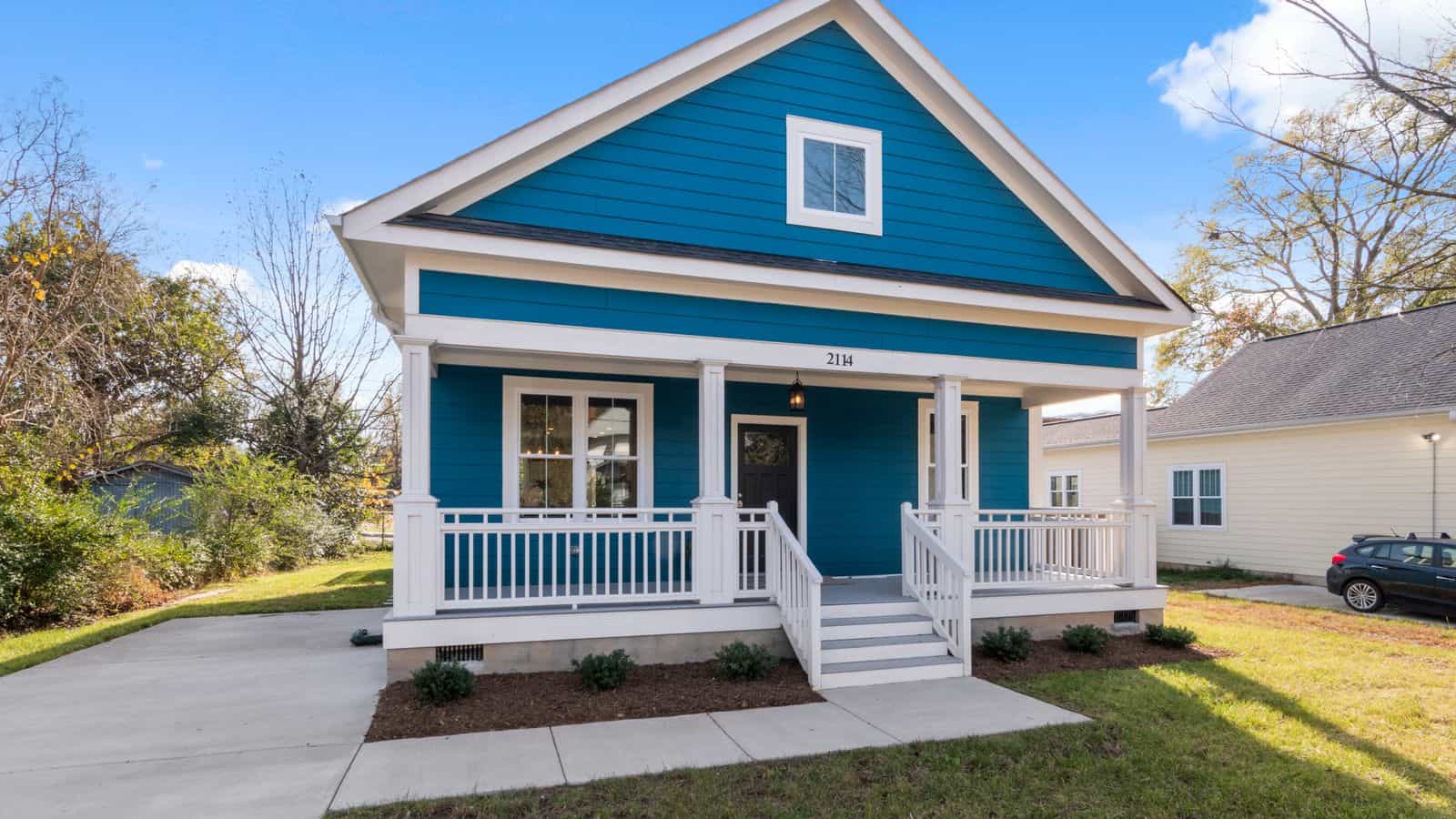
McNeil Estates rental ownership needs an outdoor maintenance plan based on the actual lot. A lawn, tree, irrigation system, or side yard can add recurring work that is easy to overlook while reviewing interior finishes. Before leasing, walk the included outdoor areas and ask who will maintain each feature, how a service provider will reach it, and which repairs need separate approval. A defined scope is more useful than assuming that routine yard care covers everything outside the house.
The owner should evaluate the yard as an operating responsibility, not just a listing photograph. Attractive planting does not establish irrigation condition, tree health, or the cost of maintaining a particular arrangement. A bare area does not establish that no upkeep is needed. Your manager should help identify what exists and arrange appropriate provider assessments, while the owner decides what services and improvements belong in the rental plan.
Start with verified McNeil Estates context
A city historic survey illustrating a ranch-style home in the McNeil neighborhood illustrates a ranch-style house in the McNeil neighborhood. That provides a verified example of its residential context, not a description of every McNeil Estates property. It does not establish your lot’s dimensions, boundaries, tree inventory, maintenance obligations, or association status. Use the exact parcel and a site visit to develop those answers rather than extending one photographed house’s features to the entire area.
A neighborhood label also does not identify who owns a wall, maintains a strip beside a sidewalk, or controls access through a neighboring parcel. Ask the transaction professionals to obtain the relevant records when those issues matter. The manager can observe the physical arrangement, but a visible fence is not enough to determine every boundary or responsibility. Keep uncertainties separate from the service proposal until the appropriate source clarifies them.
The article supplies no neighborhood-wide yard cost or water-use estimate. Those figures depend on the actual outdoor features, condition, service arrangement, and current provider information. An owner deciding whether the rental fits an investment plan should request quotes for this property. The community context is useful background; the yard’s operation requires its own assessment.
Walk the outdoor areas in manageable sections
Divide the property into the front, side, and rear areas that the rental arrangement includes. Identify planting, open ground, paths, walls, gates, and any specialized features that are actually present. Photographs can help describe the scope to a provider. Record the areas that are excluded or still need clarification so a contractor does not quote a service based on a partial view or an assumed boundary.
Ask what access is available to each section. A rear yard may be reached through a side gate, through the house, or by another arrangement that needs review. Confirm the practical route rather than assuming a worker can carry equipment to any area visible in the photographs. If access affects how service will be provided, include that information in the quote and the manager’s coordination plan.
Look for conditions needing a separate evaluation. A leaning feature, uneven path, or visible water concern should not be buried in a routine cleanup request. The appropriate provider can assess what action is needed. A manager’s walk can identify the concern and arrange the next step, but it should not be described as a comprehensive technical assessment of everything outside.
Give trees their own maintenance question
If trees are present, identify which need an appropriate professional assessment. An owner’s preference for shade or appearance does not establish tree health or the suitability of a proposed cut. Ask the qualified provider to evaluate the actual tree and explain the recommendation. The manager should record which work is routine service, which is a separate project, and which requires another owner decision.
Consider how the tree relates to the house, paths, and service areas. The question is what the provider finds, not a general claim that mature trees necessarily damage a property. A canopy near a roof may need a maintenance discussion, while a planting near a walkway may raise a different concern. Keep the assessment tied to the observed arrangement and avoid assuming a technical cause from proximity alone.
Ask what removal, hauling, cleanup, and follow-up are included in a proposed project. A quote for cutting may not address all of those tasks. Clarify whether the provider needs access arrangements or confirmation about a boundary before proceeding. The owner’s authorization should identify the particular work, not give a broad instruction to trim whatever looks overgrown throughout the lot.
Evaluate irrigation separately from routine yard service
Ask who will assess the irrigation system if the property has one. A scheduled yard visit does not automatically include technical diagnosis or repairs. The provider should identify the installed arrangement, any condition findings within its scope, and the proposed response. The manager can coordinate that evaluation without offering watering schedules or repair instructions based on the neighborhood name.
Look at the relationship between irrigation and the intended service arrangement. A tenant may notice a problem while a provider performs regular care, but the manager still needs a defined reporting channel. Decide who receives the report and who authorizes the next assessment. A broad instruction that someone handles watering can leave a leak or failed component outside every person’s assumed responsibility.
Use actual product and provider information for any proposed change. If the owner wants to simplify the yard, ask how the replacement arrangement will be maintained and whether other review questions apply to this parcel. Do not assume that a new material or planting choice eliminates all outdoor work. The operating plan should explain what remains to be inspected, cleaned, serviced, or repaired after the project.
Distinguish cleaning from repair work
Routine outdoor care can include defined tasks such as collecting debris or maintaining agreed planting areas. A broken gate, damaged wall section, or failed irrigation component may need separate work. Ask the provider to explain what its recurring service includes and what it would report for further action. This prevents a visible problem from being treated as addressed merely because a worker attended the property.
reviewing vendor relationships and maintenance charges offers context for reviewing maintenance relationships and charges. For this yard, request a scope organized by task and frequency rather than a vague promise to keep everything looking good. The quote should identify the areas covered, any exclusions, and how extra work would be proposed. A recurring invoice is easier to review when the owner knows what service it represents.
Avoid assigning technical work to the tenant by implication. A rental agreement may describe particular upkeep responsibilities, but the manager should obtain appropriate lease preparation guidance for the chosen arrangement. The owner needs a clear distinction between ordinary care, problem reporting, and provider repairs. A tenant’s use of a yard does not answer every question about its systems, trees, and built features.
Confirm boundaries and shared responsibilities
Before authorizing work near a property line, ask whether the relevant boundary and responsibility are established. A seller’s casual description may be useful as a lead, but it should not be the only basis for work affecting a shared or disputed feature. The appropriate records and professionals can clarify the issue. Until then, the manager should identify the uncertainty rather than directing a provider to act as though it is settled.
The same care applies to service through an area not clearly included with the rental. If a path or gate relies on another parcel, investigate the actual arrangement through the transaction professionals. Do not infer a right of access because a prior owner used the route. The owner’s maintenance plan should be built on confirmed practical and document information, with appropriate professional review where needed.
If an association or another party provides a service, obtain the current property-specific description. A neighborhood organization does not by itself establish mandatory yard maintenance or shared facilities. Ask which party handles the task and what the owner still needs to arrange. Do not pay for a duplicate service or omit necessary care because a directory suggests the community supplies it.
Schedule service around the occupied property
For an occupied rental, have the manager explain how outdoor visits will be coordinated through the applicable process. Confirm the agreed access route, the areas being serviced, and the communication needed with the resident. A provider should not assume that a side gate is available whenever it arrives. The owner should know how a scheduled visit becomes a practical appointment at that home.
Tell the provider how to report an obstruction or condition that prevents the agreed work. A locked gate or blocked path may require another arrangement, not an unsupported statement that the whole yard was serviced. Record what occurred and what remains pending. The manager can then coordinate a revised visit or seek an owner decision based on the actual limitation.
Keep access details in the appropriate management process rather than in widely shared photos or service descriptions. A quote can identify a rear yard without including credentials. The provider needs enough information to perform the authorized task, while the owner needs evidence of the work and any unresolved issue. Those are different communication needs and can be handled without exposing the property’s access information unnecessarily.
Build the budget from the actual outdoor scope
Separate the initial assessment or cleanup from recurring care and occasional projects. A tree evaluation, irrigation repair, and regular yard visit may belong to different providers or price structures. Ask for actual proposals and identify their dates. The owner should be able to see which expenses are known, which are proposed, and which remain uncertain because a condition still needs professional assessment.
Discuss how an owner reserve works in connection with the ongoing responsibilities at the property. The appropriate amount depends on the actual plan and management arrangement, not an invented McNeil Estates standard. Ask how unexpected work will be proposed and how the owner will receive the supporting information. A regular service contract does not establish that every outdoor repair is included in the recurring cost.
When comparing different yard arrangements, include the work each would leave behind. An owner may consider removing a difficult feature or changing a surface, but should obtain the relevant assessment and project quote first. Compare the confirmed change cost with the proposed recurring scope. Avoid promising a particular payback period or water saving without the property-specific evidence needed to support it.
Keep the leasing description consistent with the plan
State which outdoor areas the rental includes and what service arrangement is offered. If owner-provided yard service is part of the plan, the manager should be able to describe its actual scope accurately. Do not use a broad phrase that implies tree work or every repair is included when the service covers a narrower set of tasks. The rental description and operating arrangement should match.
Take current photographs after the relevant work is completed. A fresh image can show the offered yard without proving the condition of an underground system or the health of a tree. Keep those professional findings separate. documenting tenant-caused damage before billing provides context for documenting a condition before making later billing decisions. Initial outdoor photos are useful evidence, but they do not predetermine the cause of a future issue or justify a charge automatically.
If work remains pending, decide how it affects the proposed leasing plan. An unavailable outdoor area should not be advertised as ready based on an older photo. The owner may need another service visit, an assessment, or a corrected description. The manager should identify that decision clearly rather than relying on applicants to discover the limitation during a showing.
Choose a management plan that covers the whole lot
A useful McNeil Estates evaluation can begin with an ordinary site visit and lead to several distinct decisions. The provider assesses a tree, an irrigation specialist evaluates a reported concern, and the manager clarifies access to the rear area. The owner compares separate project proposals with a recurring care quote. That is more informative than accepting a single yard-maintenance label without knowing what it includes.
For Las Vegas property management, ask who defines the outdoor service scope, coordinates providers, checks completed work, and brings extra repairs to the owner. The answer should describe the actual lot and proposed rental arrangement. McNeil Estates due diligence becomes practical when the owner understands both the outdoor areas being offered to a tenant and the continuing work needed to maintain them.