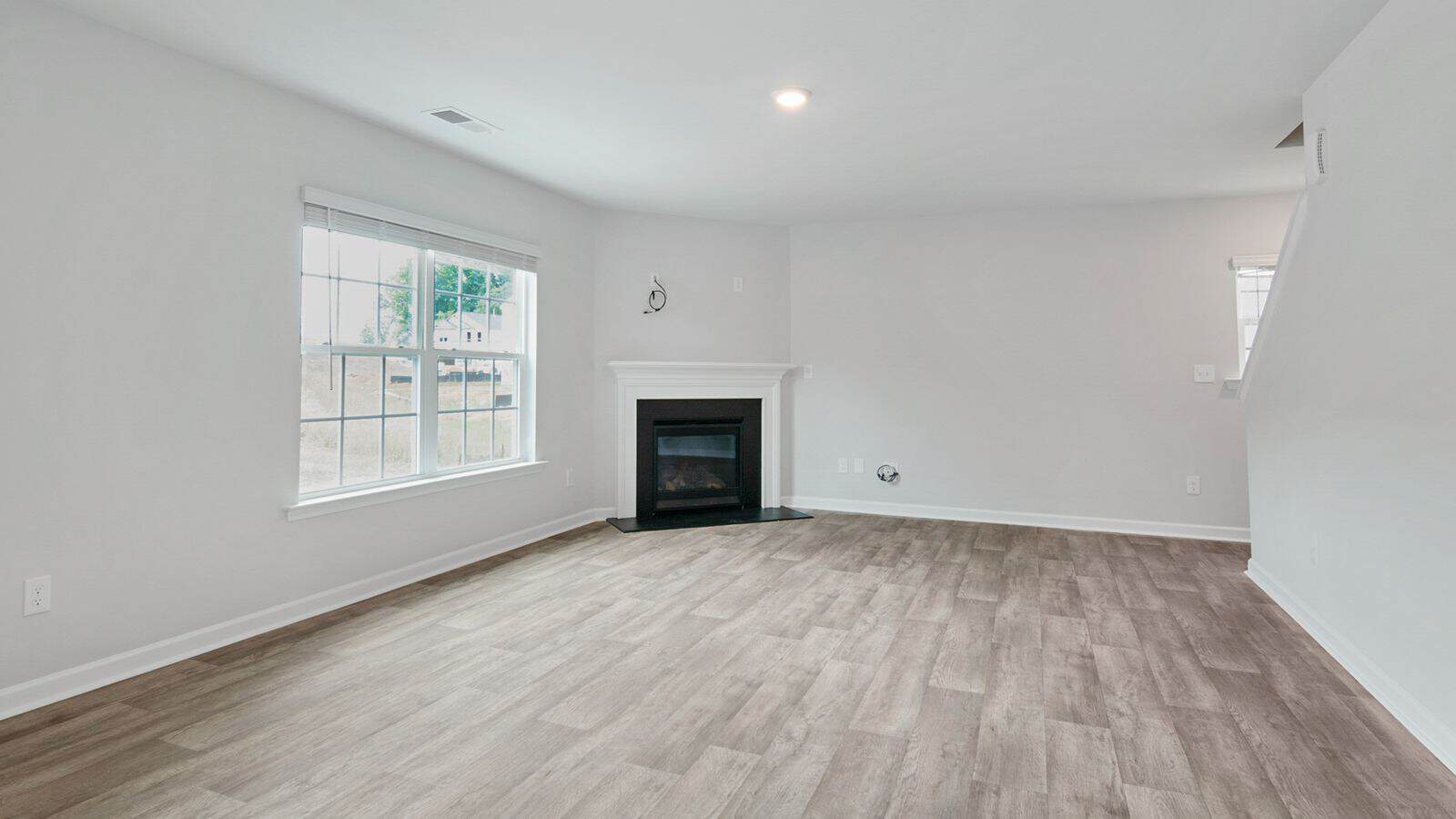
Paradise Palms rental ownership should be evaluated through the condition of the individual home and the sequence of work it needs. A buyer may be drawn to its mid-century appearance while the rental budget assumes that a fresh interior finish will complete the preparation. Ask what an inspection has established, which systems need additional evaluation, and which proposed changes depend on historic or other property review. A workable plan puts those answers ahead of purchasing finishes or announcing a leasing date.
The most useful owner comparison is between the house as inspected and the house the rental plan assumes will exist. If those descriptions differ, identify the work connecting them. A functional roof, a resolved drainage concern, or an appropriately evaluated conversion cannot be replaced by a general label such as updated. Your manager should help turn the findings into specific decisions, with qualified providers handling the technical assessments.
Use the county’s Paradise Palms historic context carefully
The Clark County announcement about Paradise Palms historic designation describes the neighborhood’s mid-century homes and an expansion of its historic designation. This establishes a community context worth considering before an owner plans changes. The announcement is not a current permit determination, a home inspection, or a map confirming a particular listing’s status. Ask the appropriate county contact to clarify the actual parcel and the proposed work when that information affects the purchase or repair plan.
Do not infer construction quality from the neighborhood description. Homes can have different original designs, repairs, additions, and maintenance histories. A preserved-looking exterior can coexist with a recent equipment replacement, while a remodeled room can hide unanswered questions about earlier work. Evaluate the actual property with the professionals appropriate to the question instead of treating mid-century as a diagnosis of either soundness or deterioration.
The historic context also does not prove an investment result. It supplies no verified rent for the house being considered and no guarantee about leasing speed. Ask for current, property-specific comparable information if the financial decision requires a rental estimate. Keep that market assessment separate from the inspection and scope decisions, so an attractive community identity does not obscure what must happen before the home is ready.
Read the inspection as a decision list
Begin with the agreed inspection scope and its limitations. Ask which conditions were observed, which areas could not be evaluated, and which findings need a specialist. A buyer should not turn every caution in a report into an immediate replacement order. Equally, an uninspected area should not be described as confirmed simply because no finding appears in the report. Have the relevant professional explain what its work establishes.
Group the findings by the decision they require. Some may need additional assessment before any estimate is useful. Others may support a defined repair proposal. Cosmetic preparation can be considered separately from problems affecting the home’s planned use. The manager can coordinate this grouping without making a technical diagnosis. The owner should receive a clear account of what needs another answer and what is ready for a spending decision.
Where the purchase is still in progress, coordinate questions through the transaction professionals. Identify the documents, visits, or clarification needed for the owner’s decision under the actual transaction arrangements. The article does not invent an inspection deadline or a right to demand a particular response. Its practical advice is to surface unresolved questions while the owner can still evaluate their effect on the rental plan.
Assess systems before covering surfaces
Ask qualified providers to evaluate the systems implicated by the inspection. That may include cooling equipment, electrical components, plumbing, or the roof, depending on what is actually present. Do not assume that every Paradise Palms house has the same equipment, materials, or problem. Describe the relevant condition and obtain an appropriate scope. A general package for older homes may overlook both a recent improvement and an unresolved concern.
The sequence matters when finish work would conceal or obstruct a later repair. If a provider needs access behind a wall or beneath a fixture, ask whether that assessment should happen before painting or installing a new surface. The contractor should explain the dependency for the actual project. Avoid approving a finished appearance first and then discovering that a necessary evaluation requires reopening the same area.
Cooling decisions deserve their own property-specific assessment in Las Vegas. Ask the service provider to identify the installed system, condition findings, and recommended work within its scope. A room feeling comfortable during a short visit does not establish performance under other conditions. The manager can arrange the appropriate evaluation and report the result without making a capacity claim based on a photograph or a seller’s casual description.
Keep roof questions connected to the interior
If the inspection identifies a roof or water-entry concern, ask what follow-up will clarify the source and scope. An interior stain is an observation, not a complete diagnosis. Have the appropriate provider assess the issue before the owner approves a cosmetic cover-up. The repair plan should state what is being addressed and how completion will be confirmed, rather than simply listing new paint for an affected ceiling.
The broader discussion in roof care at Las Vegas rentals can help an owner ask organized maintenance questions. The home’s actual roof materials and configuration still need confirmation. Do not assume a tile system or a particular maintenance need because another Las Vegas property has one. The owner should receive an estimate based on the inspected house and any additional assessment, including what the provider could not determine.
When roof work affects the exterior appearance, include the applicable parcel and project review question in the sequence. The county’s historic announcement does not answer it by itself. Ask which step must be clarified before materials are chosen or work is scheduled. The manager should distinguish a technical recommendation, a review request, and the owner’s authorization instead of treating all three as one approval.
Examine additions and changed room uses
An enclosed area or changed room use may affect the proposed rental description. Ask the purchase professionals to compare the actual space with available plans and records. Establish what can be confirmed about the improvement and who should evaluate remaining questions. A finished floor and painted walls do not establish the status of a conversion, and a listing’s room count should not substitute for that investigation.
Have the inspector or relevant specialist explain the limits of its assessment in the changed area. Access, installed services, and observed condition may require separate consideration. The manager should not market an uncertain space as an additional bedroom or independent living unit simply because the owner hoped to increase rental income. Describe the property according to the use and condition that the appropriate review supports.
If a conversion remains unresolved, account for its effect on the owner’s plan. The owner may need additional information, a revised scope, or a different marketing description. Keep the uncertainty visible rather than assuming that a later contractor will solve it within an unspecified renovation budget. This is a purchase and preparation decision, not a paperwork task to postpone until an applicant asks about the room.
Obtain estimates that share the same scope
Contractor estimates become difficult to compare when they address different problems. Provide each appropriate bidder with the same confirmed findings and requested work. Ask what assessment, materials, removal, repair, and finish restoration are included. If one proposal includes investigation while another assumes a known cause, identify the difference. A lower total does not answer a condition question that the quoted work excludes.
reviewing vendor relationships and maintenance charges discusses questions surrounding maintenance relationships and charges. For this house, focus on how the provider’s proposal responds to the actual findings. Ask who confirms a change in scope if additional work is identified. The owner should understand which estimate is a defined proposal and which includes a clearly labeled allowance or assumption. Do not describe uncertain concealed work as fully priced before its nature is known.
Ask about coordination where one task affects another. A plumbing repair, cabinet alteration, and finish restoration may require different providers or a contractor managing several parts. Identify who controls the sequence and who confirms readiness for the next visit. The manager should not make the owner discover these dependencies by reading unrelated invoices after the project has already begun.
Plan for access and a realistic sequence
Determine whether the work will happen in a vacant or occupied property. That affects coordination, preparation, and the information the manager must provide. A purchase with a resident already in place needs an actual plan for the proposed visits. Do not assume that the owner’s acquisition date automatically establishes contractor access or room availability. Have the manager explain the arrangement that applies to the home.
For a vacant house, confirm that required services are available for the scheduled assessment or work. setting up utilities at a Las Vegas rental can help an owner think through service setup. The provider should identify what its task requires, and the manager should confirm the practical arrangement. A technician arriving at a property without the needed service may be unable to perform the agreed work even though the appointment itself was scheduled correctly.
Ask the manager to identify dependencies instead of promising a fixed preparation period. An estimate may await specialist findings, an exterior proposal may await clarification, and installation may depend on a confirmed product delivery. Describe requested and confirmed dates separately. The owner can then decide when to order, authorize, or market without relying on a broad claim that every mid-century home can be ready in a standard number of days.
Choose finishes after necessary work is settled
Once the condition issues and relevant review questions are clear, choose the finish work that supports the rental plan. Consider maintainability, availability, and how the choice fits the home. A visually distinctive feature may be retained with appropriate care, while a worn surface may need a defined treatment. The owner should receive a practical recommendation tied to the property rather than a generic instruction to preserve or replace everything old.
Ask how proposed products can be maintained between tenancies. A special component might be suitable if its service path is understood, but the owner should know what happens when it needs repair. Keep product selection connected to the contractor’s recommendation and the actual scope. Avoid an appearance decision that introduces an operating burden nobody has discussed with the manager.
Hold marketing photographs until the relevant work and cleanup are complete. The listing should show the finished home and accurately describe any retained feature. Do not advertise a planned improvement as present because the owner approved an estimate. If an item remains pending, identify that limitation in the preparation decision before the manager presents the property to prospective renters.
Make the investment decision with unresolved costs visible
Separate confirmed purchase costs, quoted preparation expenses, and unresolved items. The owner can assess whether the project still fits the intended investment approach when those categories remain visible. An assumed rental figure should not conceal a condition question. Ask the manager to identify the work needed for the actual leasing plan and the information still required to make a useful budget.
A practical Paradise Palms evaluation might identify an interior finish project that should wait for a plumbing assessment, a roof question needing specialist review, and an exterior change needing parcel-specific guidance. Those issues require different decisions. The owner can authorize the next assessment without approving the entire proposed renovation or treating the county’s historic designation announcement as the final project answer.
When discussing Las Vegas property management, ask how inspection findings become a coordinated rental-preparation plan. Look for an explanation of technical referrals, scope comparison, access, owner decisions, and verification of the finished property. For a Paradise Palms rental, that sequence lets the owner evaluate a particular house on its actual condition while preserving the distinction between community character, proposed work, and a leasing plan supported by current evidence.