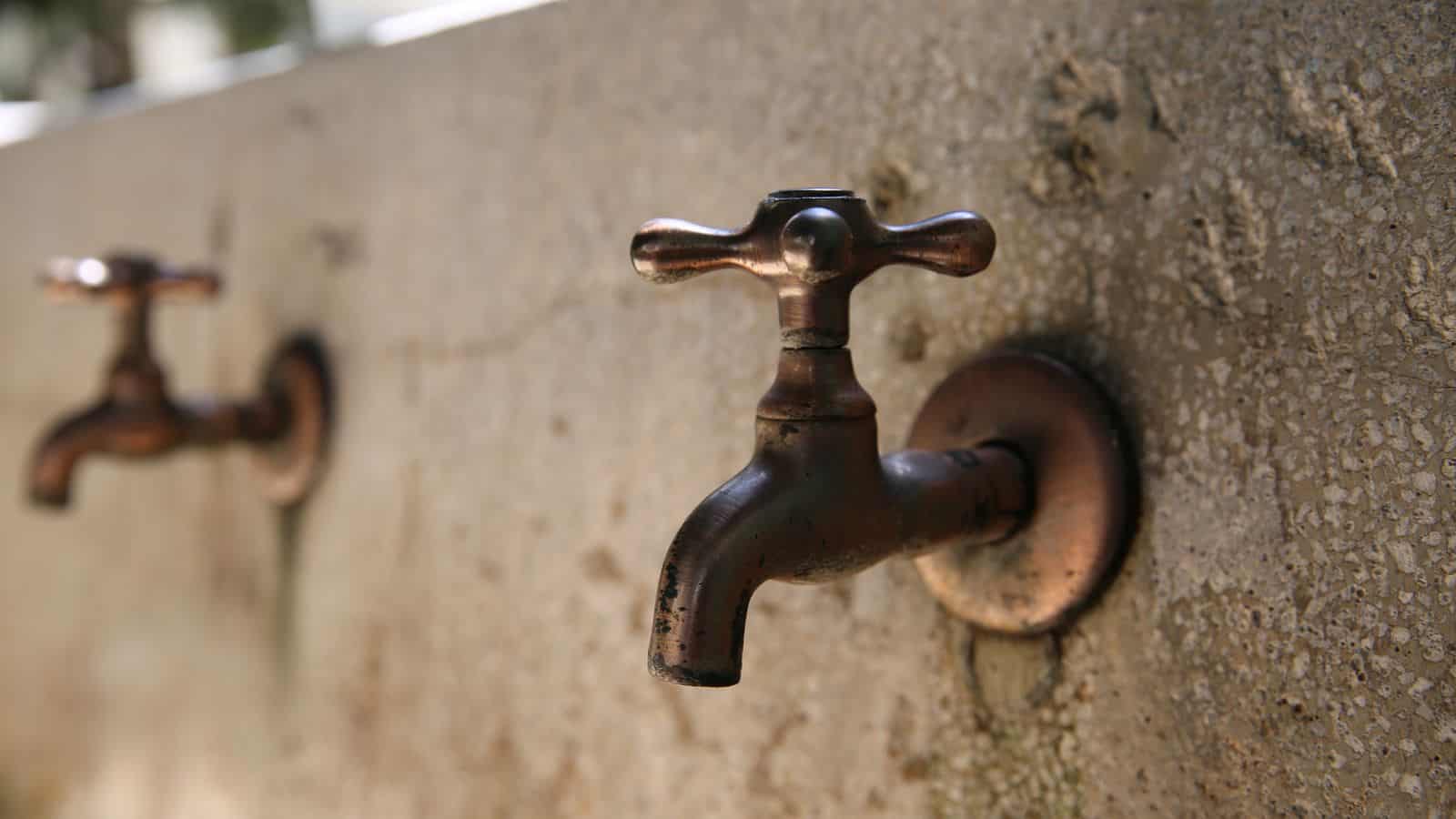
The forecast says the valley drops below freezing tonight, and you rent the place. Good freeze prep renters can do takes about twenty minutes before dark, and it is the difference between a quiet morning and a split pipe soaking the garage.
You are not expected to winterize the whole house. That is the owner’s job, and a manager usually handles it in the fall. Your job on a freeze night is narrower: keep the home warm, protect the pipes you can reach, know how to stop water fast, and report trouble the moment you see it. Here is how to do each piece in a Las Vegas rental.
Why a Las Vegas freeze catches renters off guard
Most of the year, Las Vegas plumbing is built around heat, not cold. Water lines often run through exterior walls, attics, and garages. Hose bibs sit on stucco walls facing the wind. Many front yards have an irrigation backflow device standing above ground near the sidewalk.
None of that is a problem on a normal winter night. On the handful of nights a year when the valley dips below freezing, those exposed spots are where water can turn to ice and expand. A pipe does not have to burst during the cold snap. It often splits overnight and only starts leaking when it thaws the next morning.
So the goal tonight is simple. Keep as much plumbing as possible warm, and drain or cover what you cannot keep warm.
What your lease and Nevada law expect from you
Nevada’s landlord tenant law lists basic tenant duties. Under NRS 118A.310, a tenant must use the utilities, appliances, and systems of the premises in a reasonable manner, and must not deliberately or negligently damage the premises. The same section asks tenants to keep plumbing fixtures as clean as their condition permits.
In plain terms, turning the heat off during a hard freeze and leaving for the weekend is the kind of choice that can put a repair bill on you. Taking reasonable steps tonight protects the home and your deposit.
Your lease likely adds detail. Many leases require tenants to keep the heat on in winter, report leaks promptly, and disconnect hoses. Some name a minimum thermostat setting. Our guide to tenant maintenance responsibilities in Las Vegas walks through the line between what you handle and what the owner handles.
If you are not sure what your lease says, check it now, before the temperature drops. If something is unclear, email your property manager and ask.
Keep the heat on and moving through the house
The single most useful step is the easiest. Leave the heat on overnight at a steady setting, even if you like a cold bedroom.
- Do not set the thermostat to off or turn it way down at bedtime on a freeze night.
- Open interior doors so warm air reaches bathrooms and laundry rooms.
- Open sink cabinet doors in the kitchen and bathrooms, especially on outside walls. This lets room heat reach the supply lines.
- Close the garage door. If your water heater or a laundry hookup sits in the garage, an open door lets cold air pour onto those lines.
- Check that the furnace filter is not badly clogged. A choked filter can cause the system to overheat and shut off.
Do not use the oven or gas stovetop to heat the home. The federal Ready.gov winter weather guide warns that heating a home with a gas stovetop or oven can cause carbon monoxide poisoning, fires, and burns. It also recommends working carbon monoxide detectors on every level of the home, with battery backup.
If you use a portable space heater, keep it away from curtains, bedding, and furniture. Plug it straight into a wall outlet. Turn it off when you leave the room or go to sleep.
Freeze prep for outdoor spigots and exposed pipes tonight
Go outside before sunset and walk the perimeter of the home. Look for anything that holds water and sits in the open air.
- Disconnect every garden hose. A hose left on the spigot traps water in the fitting. When that water freezes, it can crack the valve inside the wall. Drain the hose and store it in the garage.
- Cover the hose bibs. If the home has foam spigot covers, put them on. If not, a towel wrapped around the spigot and held with tape helps for one night. Ask your manager about covers for next time.
- Check the backflow device. Many Las Vegas yards have an irrigation backflow preventer near the street. If it has an insulated bag or cover, make sure it is on and secure. Do not open or adjust the valves yourself. Report a missing cover to your manager.
- Look at the pool equipment. If your rental has a pool and the owner pays for pool service, the pump schedule is usually the service company’s job. Tell the manager if you think the pump is off on a freeze night.
Inside, think about pipes in unheated spaces. A laundry room on an outside wall, a bathroom over the garage, or a wet bar in a casita can all run colder than the main rooms. Leave those doors open to the heated house.
Some people let a faucet on an exterior wall drip a thin trickle overnight. Moving water is slower to freeze. If you do this, use the faucet farthest from where the water enters the home, and turn it off in the morning. Check your lease, since some managers prefer you skip it, and some HOAs care about water use.
Know where the main water shutoff is before you need it
If a pipe bursts, every minute of running water means more damage to drywall, flooring, and cabinets. You need to be able to stop it fast.
Find the main shutoff tonight, while nothing is wrong. In many Las Vegas houses, it sits near the front of the home, in the garage, or near the water heater. Townhomes and condos may have a valve in a utility closet. Apartments often have valves under each sink and behind each toilet, with the building main handled by maintenance.
Once you find it:
- Take a photo and save it in your phone.
- Check that you can reach it without moving furniture or boxes.
- Note whether it is a lever or a round wheel handle, and which way closes it.
- Find the shutoff valves under your sinks and behind toilets too.
Do not force a stuck valve. If it will not turn, tell your manager in writing. A seized valve is a repair the owner should know about before an emergency, not during one.
The same habit helps in summer. Our renter’s guide to monsoon season in Las Vegas covers the warm weather side of water emergencies, from roof leaks to flooded patios, and uses the same shutoff and reporting steps.
Signs a pipe froze but has not burst yet
Sometimes the warning comes before the flood. You turn on the kitchen tap in the morning and get a trickle, or nothing at all. A toilet will not refill. The washer fills slowly. Those are signs that ice may be blocking a line somewhere in a wall, the attic, or the garage.
Here is what to do:
- Leave the affected faucet open. As the ice melts, moving water helps clear the line.
- Raise the heat in the house a little and keep cabinet doors open.
- Look along walls, ceilings, and the garage for frost, bulging drywall, or damp spots.
- Do not use an open flame, a torch, or a heat gun on any pipe.
- Call or email your manager right away and say which fixtures have low or no flow.
Report it even if the water comes back by lunchtime. A pipe that froze once may have a small crack that leaks later. Your manager can send a plumber to check the line while the damage is still small and cheap to fix.
What to do the moment a pipe bursts
If you hear spraying water, see water coming through a ceiling, or find a puddle spreading from a wall, act in this order:
- Shut off the main water valve.
- If water is near outlets, a panel, or appliances, stay out of the wet area. Turn off power at the breaker only if you can reach the panel safely and on dry ground.
- Call your property manager’s emergency line right away. Say the address, that a pipe burst, and that the water is off.
- Take photos and video of the damage, the leak point, and anything of yours that got wet.
- Move your belongings out of the water if it is safe to do so.
- Follow up with a written report by email or through the tenant portal.
Report at once, even at two in the morning. A burst pipe is an emergency for the owner, and a manager can usually send a water mitigation crew faster than you might expect. A delay can turn a simple repair into mold, swollen cabinets, and a long disruption to your home.
Do not hire your own plumber unless your manager tells you to. Most leases require repairs to go through the owner or manager, and you could end up paying for a repair the owner would have covered.
How renters insurance fits into a freeze
The owner’s insurance generally covers the building. It does not cover your furniture, clothes, electronics, or the cost of a hotel if the unit becomes unlivable for a few days. That is what renters insurance is for.
Look up your policy before the cold night, not after. Know the claim phone number, the deductible, and whether it includes additional living expenses. Save the claim number in your phone next to the manager’s emergency line. Our guide to renters insurance in Las Vegas explains what a typical policy covers and what it leaves out.
If you do have a loss, keep receipts for anything you have to replace or any place you have to stay. Photos taken right after the leak make the claim far easier to support.
Leaving town on a cold weekend
A freeze while you are away is harder to manage than one while you are home. Nobody hears the drip.
Before any winter trip, tell your manager in writing the dates you will be gone and who has a key. Leave the heat on at a steady setting. Disconnect hoses and open sink cabinets. Ask the manager whether they want you to shut the main water off while you are away. Some do. Some do not, depending on the home’s systems. Get the answer in writing and follow it.
Set the thermostat before you lock the door, then check it once from your phone if you have a smart thermostat. A power blip can reset some units, and you want to know the heat is still running on the second night.
Ask a neighbor or friend to check the home once if the cold lasts several nights. Give them the photo of the shutoff valve and the manager’s emergency number.
Who to call and what to put in writing
Save these in your phone tonight: your manager’s office number, the after hours emergency line, your renters insurance claim line, and a neighbor or friend who can reach the home quickly. If you smell gas or a carbon monoxide alarm sounds, leave the home and call 911 from outside.
After any freeze problem, send a short email that lists what happened, when, what you did, and photos. That record protects you if questions come up at move out. A well run management office logs the report, sends a vendor, and follows up until the repair is closed. That is how we handle it through our property management service in Las Vegas, for the owner and for the resident living in the home.
Cold nights in the desert are rare enough that people forget them. Twenty minutes of prep tonight, a saved shutoff photo, and a fast phone call if something breaks will cover nearly every freeze you face as a renter here.