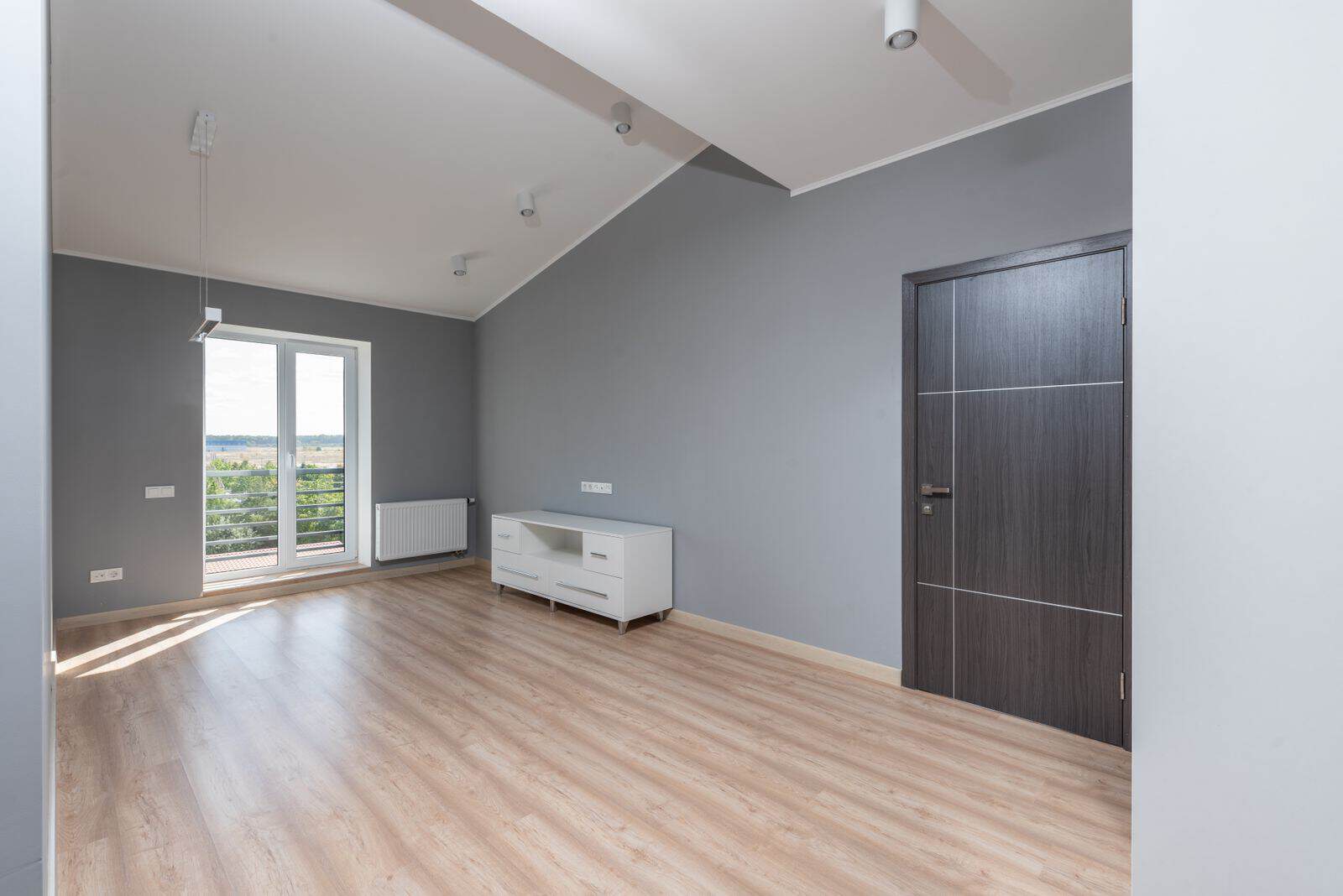
The make-ready, or unit turn, is the work between one tenant moving out and the next moving in. It is also where a surprising amount of an owner’s annual return is won or lost, because every day a unit sits in turn is a day of rent you will never collect. A fast, high-quality turn is one of the clearest signs of a well-run property, and a slow, sloppy one quietly drains returns while you wait. Here is how the process works and what good looks like in Las Vegas.
What make-ready actually means
Make-ready is everything required to take a unit from the condition the last tenant left it in to a state where a new tenant would happily sign and move in. At minimum that means a deep clean, addressing any damage beyond normal wear, touching up or repainting walls, confirming all systems work, and making the unit show well for marketing. The goal is a unit that looks cared for and functions completely, because the standard you set in the turn is the standard the next tenant will hold you to for the life of their lease.
It starts with the move-out inspection
A good turn begins before the unit is empty, with a thorough move-out inspection compared against the move-in record. This is where the make-ready scope is defined and where the line between normal wear and tenant-caused damage is drawn, which in turn determines what comes out of the security deposit versus what is your cost as the owner. A documented move-out walk with photos protects you on the deposit and gives the make-ready crew a clear, itemized scope rather than a vague instruction to fix the place up. Skipping this step is how turns balloon in cost and how deposit disputes start.
The standard make-ready scope
Most turns follow a predictable sequence. The unit is cleared and deep cleaned, including the appliances, bathrooms, and floors. Walls are patched and painted, since fresh paint is the single highest-impact, lowest-cost item in a turn. Carpets are cleaned or replaced depending on condition. Any repairs flagged at move-out are completed, from a sticking door to a failed faucet. Fixtures, blinds, and hardware are checked and replaced where worn. Finally the unit is staged to show well for photos and viewings. The exact list varies, but the rhythm of clean, paint, repair, and present is consistent.
Speed is money
The single most important metric in a turn is how long it takes, because vacancy is pure loss. On a unit renting for eighteen hundred dollars a month, every week of turn time costs roughly four hundred and fifty dollars in rent that never arrives. A turn that drags from one week to four is not a minor delay, it is well over a thousand dollars gone. This is why a fast turn matters as much as a cheap one. Saving two hundred dollars by using a slower, cheaper crew is a false economy if it adds two weeks of vacancy. The owners who protect their returns optimize for a turn that is both quick and done right, not merely inexpensive.
The desert factors
Las Vegas adds its own items to the turn. The air conditioning should be checked and confirmed working before the unit is re-listed, because nothing kills a new tenancy faster than a cooling failure in the first week of a summer move-in. Dust accumulates quickly in a vacant desert unit, so a unit that sat empty needs a final clean close to showing time rather than weeks before. And in summer, scheduling matters, because the same heat that makes AC critical also slows outdoor work and books up the good vendors, the same crews who handle desert landscaping and irrigation upkeep between tenancies. A manager who plans turns around the Las Vegas calendar avoids these traps.
Lead-safe work on older units
If your property was built before 1978, the turn carries an extra responsibility. Federal lead-safe rules govern renovation, repair, and painting work that disturbs paint in older housing, because of the risk from lead-based paint. Work like sanding and repainting in a pre-1978 unit should be done following lead-safe practices, often by a certified contractor. This is not optional, and a manager coordinating turns on older Las Vegas properties should know when these rules apply. For most of the valley’s newer housing stock it is not a factor, but for older units it is something you cannot ignore.
Make-ready versus improvement
There is a useful distinction between restoring a unit and upgrading it, and it has a tax dimension worth knowing. Routine make-ready work that returns the unit to rentable condition, like cleaning, touch-up paint, and minor repairs, is generally a current expense. A genuine upgrade that betters the property, like replacing all the flooring with a higher-grade material or remodeling the kitchen, is typically a capital improvement treated differently for taxes. Knowing which is which helps you and your accountant handle the costs correctly, a point we cover in our guide to rental property taxes for Las Vegas owners.
How a manager runs a fast turn
A quick, quality turn depends on infrastructure that is hard for an individual owner to replicate. A property manager who turns units regularly has a standing bench of vetted vendors, cleaners, painters, and handymen who can be scheduled immediately rather than found from scratch each time. They have a checklist that ensures nothing is missed, and they overlap steps where possible to compress the timeline. For an owner, especially one managing from out of state, this vendor network and process is one of the most tangible returns on a management fee, because it converts a stressful scramble into a routine that simply happens.
When a turn is the right moment to upgrade
A vacant unit is the only time certain improvements are practical, so a turn is the natural moment to weigh worthwhile upgrades. Replacing worn flooring, updating dated fixtures, or refreshing a tired kitchen is far easier with no tenant in place, and the right upgrade can support a higher rent or a faster lease. The discipline is to upgrade where it pays and resist where it does not. New flooring that lets you raise rent and attract better applicants earns its cost. A luxury finish a tenant will never pay extra for does not. Weigh each upgrade against the rent it can realistically command, and remember that a capital improvement is treated differently at tax time than a routine repair. A vacant unit is also the easiest time to take on a larger project like kitchen remodeling, since there is no tenant to schedule around and the work can run alongside the rest of the turn.
A simple owner checklist for a turn
Whether you manage yourself or hire out, a clean turn follows the same logic. Complete a documented move-out inspection against the move-in record. Define the scope and separate tenant damage from owner-cost refresh. Schedule the deep clean, paint, and repairs to overlap where possible rather than running one after another. Confirm the air conditioning and all systems work before re-listing, a non-negotiable in Las Vegas. Take fresh marketing photos once the unit shows well. And track the calendar days, because the number that matters most is how quickly the unit is ready to lease again.
Run that sequence consistently and the turn stops being a stressful scramble and becomes a repeatable process. The owners who treat every turn as a one-off improvisation are the ones who bleed vacancy days. The owners, and managers, who run the same disciplined checklist every time keep their units earning with the shortest possible gaps between tenants, which over the years is one of the largest levers on a rental’s total return.
One last point ties the turn back to everything before it. The quality of a make-ready directly shapes how long the next tenant stays, because a tenant who moves into a spotless, fully functional unit starts the relationship trusting the landlord, while one who inherits someone else’s grime and deferred repairs starts counting the days. A good turn is not just the end of one tenancy, it is the foundation of the next one, and the owners who understand that connection get both shorter vacancies and longer tenancies from the same disciplined work.
Frequently asked questions
How long should a unit turn take in Las Vegas
A well-run turn on a unit in reasonable condition often takes one to two weeks. The exact time depends on the scope of work and vendor availability, but speed matters greatly, since every vacant week is rent permanently lost.
What is the highest-impact part of a make-ready
Fresh paint. It is the single highest-impact, lowest-cost item in a turn, instantly making a unit look clean and cared for, which helps it lease faster and at a better rent.
Does the security deposit cover the make-ready
Only the portion attributable to tenant-caused damage beyond normal wear. Normal wear and routine refresh costs are the owner’s responsibility. A documented move-out inspection is what determines the split.
Do lead-safe rules apply to my rental
They apply to work disturbing paint in housing built before 1978, due to lead-based paint risk. Newer Las Vegas housing is generally unaffected, but older units should be turned following lead-safe practices.
IRES turns units quickly and to a consistent standard using a vetted Las Vegas vendor network, so your vacancy is as short as possible. To see how we handle turns, get in touch. Federal lead-safe renovation rules are published by the U.S. Environmental Protection Agency.