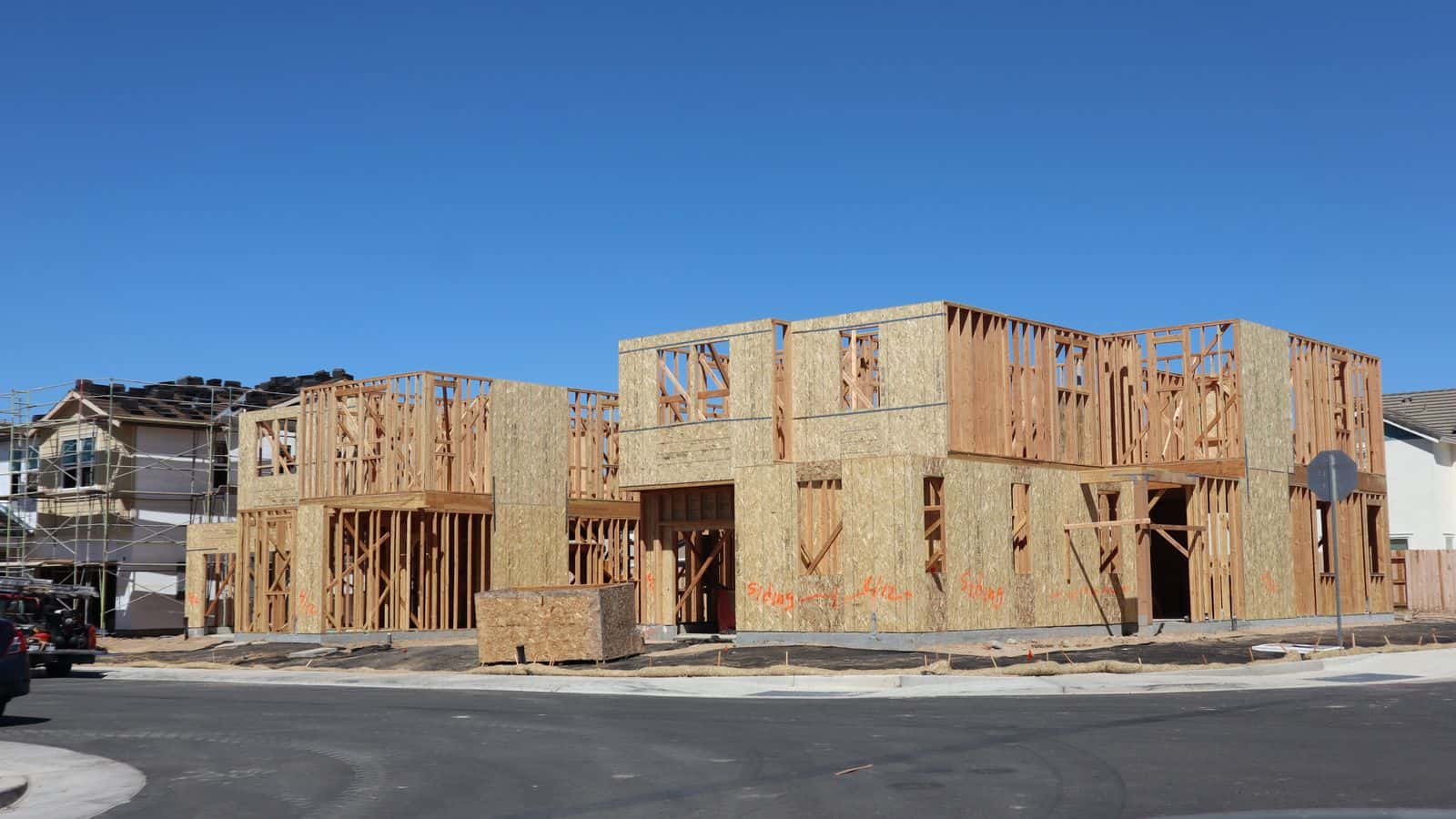
An owner closing on a brand new Las Vegas home built to be rented out sometimes gets offered something unusual during the management pitch, a lower fee for the first year than the manager would normally charge. It sounds like a simple sales incentive, and sometimes that is exactly what it is, but there is also a real operational logic behind discounting a new construction property specifically, tied to how much less work a brand new home actually generates in its first year compared to an older resale rental.
Why a new build genuinely costs a manager less to run in year one
Every major system in a brand new home, the HVAC, water heater, roof, appliances, plumbing, and electrical, is under builder warranty and has zero wear on it. Maintenance calls on a genuinely new construction rental during that first year of occupancy are overwhelmingly minor in nature, cosmetic touch ups, a sticking door, a paint nail pop, rather than the kind of real mechanical failures that generate a lot of coordination work on an older property. A manager who is honest about the actual labor difference between managing a ten year old home and a home built six months ago is pricing based on real, measurable workload, not just running a promotion.
We cover how a builder warranty specifically changes the maintenance conversation in our guide to new construction versus resale homes as Las Vegas rentals, and the fee discount pattern this article covers is really just the pricing consequence of everything laid out there, less coordination work translating into a lower price for that specific stretch of the property’s life.
What the discount typically looks like in practice
A common structure knocks a percentage point or two off the standard management fee for the first twelve months, reverting to the standard rate at the first renewal once the builder’s shortest warranty coverage windows, often one year on general workmanship items, start expiring and the home begins generating more typical maintenance activity. Some managers instead waive or reduce the leasing fee for the first tenant placement rather than touching the ongoing percentage, reasoning that a brand new home markets itself easily and commands strong initial interest, so the manager’s placement effort is genuinely lower even though the ongoing management workload discount applies separately or not at all depending on the specific offer.
Whichever structure a manager offers, the discount should be written into the agreement with a clear end date or triggering event, not left as an informal verbal promise that quietly disappears at the first renewal without explanation. An owner who was told about a year one discount verbally, with nothing in writing, has no real recourse if the fee simply reverts without notice, and that kind of ambiguity is exactly the sort of detail that belongs in the broader fee transparency conversation we cover in our guide to property management best practices for Las Vegas in 2026.
Where the discount logic breaks down
Not every new construction property actually behaves the way the discount assumes. A home in a still actively building subdivision, with construction traffic, dust, and ongoing builder work happening on neighboring lots, can generate its own set of first year issues, HVAC filters needing more frequent changes, landscaping establishment problems, or noise complaints from a tenant who did not expect to live inside an active construction zone. A manager who applies a blanket new construction discount without accounting for whether the surrounding subdivision is actually finished building out is potentially underpricing real work that a truly complete, mature new construction property would not generate.
The other place this logic breaks down is when the builder warranty itself is weak, slow to respond, or disputes coverage on issues that should clearly be included. A manager still has to coordinate with the builder’s warranty department even when the underlying repair is covered, and a builder known for a difficult, slow warranty claims process can turn what should be an easy, low effort year into a frustrating one despite the property being brand new. Asking a manager how they have found working with the specific builder’s warranty team, if that builder has a track record in the Las Vegas market already, is a reasonable and specific question during the initial pricing conversation.
How the discount interacts with the leasing process itself
Marketing a brand new home is genuinely a different task than marketing a ten year old rental, and it cuts in favor of the discount logic. A new build photographs well without any prep work, has no existing tenant to coordinate showings around, and generally attracts strong interest simply because so few truly new rentals are available in most Las Vegas submarkets at any given time. A manager spends meaningfully less time on staging advice, repair recommendations before listing, or coordinating around an existing occupant, all things that routinely eat into the leasing timeline on a resale property.
A brand new home in a still developing subdivision, however, can also take noticeably longer to lease than expected if the surrounding area still looks like an active construction site, since some prospective tenants are put off by unfinished sidewalks, visible construction equipment, or a general sense that the neighborhood is not yet a finished, settled place to live. A manager who has actually leased other units in the same subdivision recently will know whether this is a real factor for that specific location, and that kind of hyperlocal knowledge is worth asking about directly rather than assuming every new construction listing in every subdivision leases with the same speed and equal ease.
How this fits into the first year ownership experience overall
A new construction rental’s first year is genuinely different from every year that follows, not just on the fee line but across onboarding, tenant expectations, and the kind of communication a manager needs to run. Move in walkthroughs on a new build tend to focus more on documenting what is present and functioning correctly from day one, since there is no prior tenant history to compare against, and setting a new tenant’s expectations about how to actually use unfamiliar smart home features or newly installed systems is its own small but real onboarding task. We cover the fuller first ninety days picture, which applies to new construction owners as much as anyone else, in our guide to what to expect in your first 90 days with a Las Vegas property manager.
First time landlords in particular sometimes assume a brand new home means a hands off first year across the board, management fee included, without realizing the discount, where it exists, is specific and time limited rather than a permanent lower rate. Getting the actual terms in writing at signing prevents a confusing surprise a year later when the rate reverts and feels, without the right context, like an unexplained increase rather than the return to a normal rate that was always the plan. We cover the broader landscape of first year landlord expectations, new construction included, in our guide to what a first time landlord in Las Vegas needs to know.
What to ask if a manager offers a new construction discount
Ask exactly and specifically what triggers the discounted rate reverting back to the standard rate, a specific date, the first lease renewal, or the expiration of a specific builder warranty category, and get that trigger written into the agreement rather than left as a verbal understanding. Ask whether the leasing fee for the first tenant placement is included in the discount or handled separately. And ask directly whether the discount reflects genuinely lower expected workload or is simply a sales incentive to win the account, since both are legitimate reasons to offer a lower rate, but an owner deserves an honest answer about which one is actually driving the number they are being quoted. Our full Las Vegas property management overview covers how we price new construction accounts specifically, and why the logic behind any discount we offer is always tied to real workload difference rather than pure promotion.
The National Association of Home Builders publishes detailed guidance on what a standard one year workmanship warranty typically covers on a new home, useful background for any owner or manager trying to understand exactly which systems and timelines the first year discount logic is actually built around. You can review that guidance in NAHB’s warranty resources at NAHB’s Beyond Warranty builder resource, a useful reference before assuming every new construction home behaves identically in its first year.
Need Help Managing Your Las Vegas Rental?
IRES takes the stress out of property management. Whether it’s tenant screening, lease enforcement, rent collection, or just getting your time back, we’ve got you covered.
Call us: 702-478-2242
Email: brandy@iresvegas.com
Or visit our Contact Page
This article provides general information about Nevada landlord-tenant law and federal fair housing requirements and should not be considered legal advice. For specific legal questions, consult a licensed Nevada attorney.