Boulder Highway is the oldest commercial corridor in the Las Vegas valley and, for most of the last thirty years, one of its least loved. It runs from the edge of downtown southeast through Sunrise Manor and Whitney, into Henderson, and on toward Boulder City, and along the way it passes older casinos, motels, mobile home parks, strip retail, and some of the most affordable housing stock in the metro. An owner considering property management on Boulder Highway in Las Vegas is looking at a market that is being rebuilt in real time by a public works project, and that has always had one thing going for it that the newer master planned areas do not. The rents are reachable for the workers who keep the city running.
The honest summary is this. The corridor has strong, steady rental demand from hospitality, healthcare, logistics, and trades workers who need to be close to the Strip, the airport, and Henderson’s industrial parks without paying west valley prices. It has older housing that needs more active maintenance. It has pockets of very different quality within a mile of each other. And it has a multi year transit and streetscape rebuild underway that is already changing what the frontage looks like.
This guide covers where the demand comes from, what the Reimagine Boulder Highway project actually changes, how the neighborhoods along the corridor differ, and what an owner should expect from a manager operating east of the Strip.
Where the Corridor Runs and Who Lives Along It
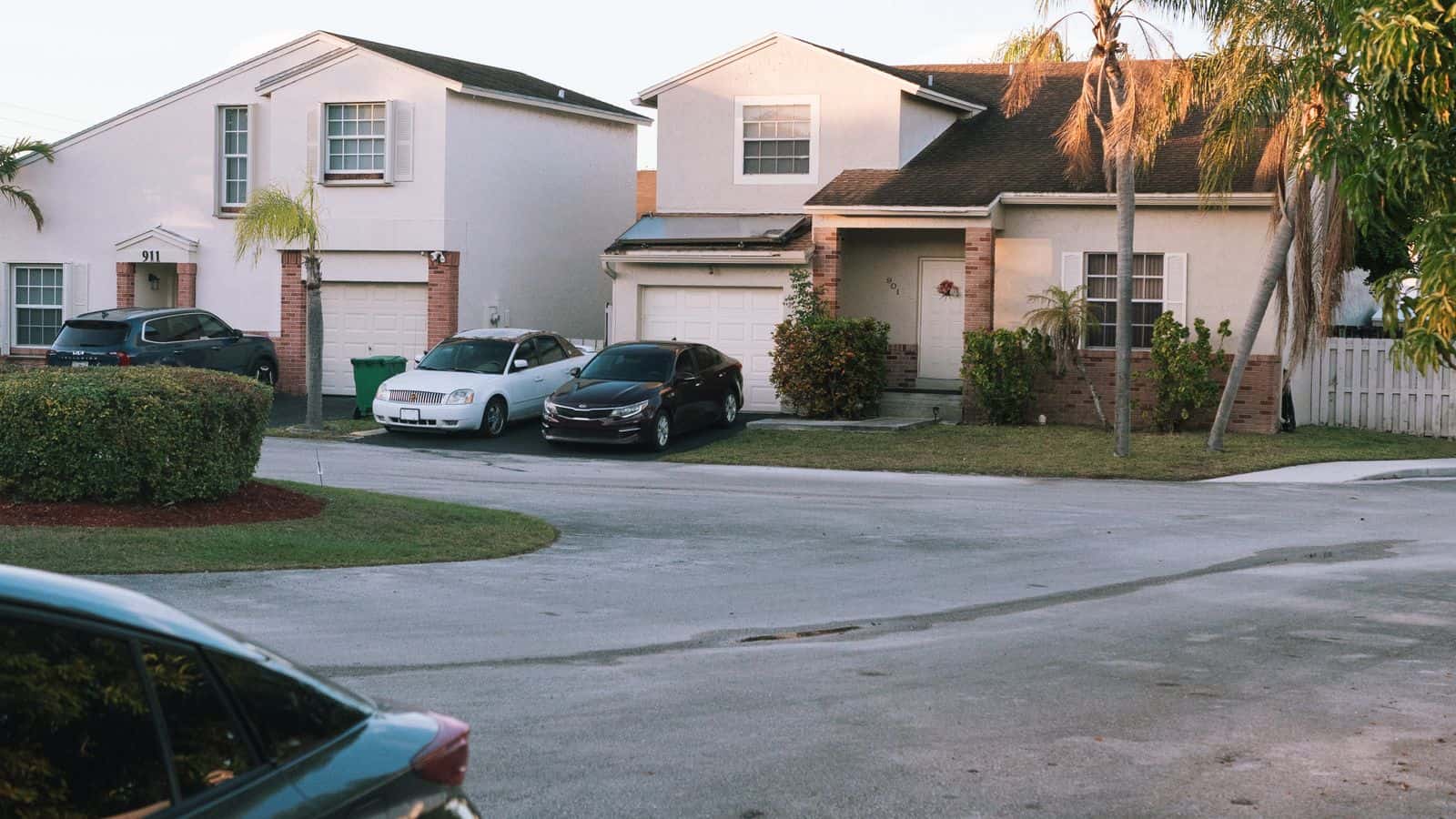
Starting near downtown, the highway passes through the unincorporated townships of Sunrise Manor and Whitney, where the housing is a mix of mid century single family homes, small apartment complexes, and mobile home communities. Crossing into Henderson, it runs past older neighborhoods on both sides before reaching the area near Henderson’s historic downtown, then continues past newer development toward the Lake Las Vegas turnoff and Boulder City.
The tenant base reflects the employers within a short drive. Casino and hotel workers on the Strip and at the locals casinos that anchor the corridor itself. Hospital and clinic staff at the medical facilities in east Henderson and the east side. Warehouse and logistics workers in the industrial zones along the railroad and the 95. Trades workers who need a garage and a driveway for a work truck, which many west valley HOAs will not allow. Our profile of casino and hospitality workers as the core of Las Vegas rental demand describes the largest single slice of this pool, and a large share of that workforce lives within a few miles of Boulder Highway because the commute and the rent both work.
What Reimagine Boulder Highway Changes
The City of Henderson, working with the regional transportation commission, is rebuilding a seven and a half mile stretch of the highway between Tulip Falls Drive and Wagon Wheel Drive. The official project site for Reimagine Boulder Highway describes center running transit lanes with enhanced passenger shelters for bus rapid transit, elevated and buffered bike lanes, new sidewalks and accessible ramps, hundreds of new streetlights, new traffic signals, storm drain upgrades, and landscaping and irrigation along the corridor. The work is divided into three segments and is being built in phases, with paving and station construction underway.
For a rental owner, the relevant effects are practical rather than dramatic.
- Safety and appearance. The old six lane configuration was hostile to pedestrians and dark at night. Narrower lanes, lighting, and sidewalks change how the frontage reads to a prospective tenant driving to a showing.
- Transit access. Frequent bus service down the center of the corridor gives car free tenants a real option to reach the Strip and downtown Henderson, which widens the applicant pool for smaller units.
- Construction disruption. Homes and apartments directly on the highway are living with lane closures, night work, and dust while their segment is built. Tenants notice, and pricing should be honest about it until the segment is finished.
- Redevelopment pressure. Corridors that get this kind of investment tend to attract new commercial and multifamily projects over the following decade. That is good for long term values and neutral to negative for an owner competing against brand new apartments in the short run.
Three Different Markets on One Road
The mistake owners make with Boulder Highway is treating it as one market. It is at least three.
The Sunrise Manor and Whitney Stretch
The northern section is unincorporated Clark County, with older single story homes on larger lots, a high share of mobile home and RV parks, and older apartment complexes. Rents are among the lowest in the valley and the tenant pool is deep. Homes here need active maintenance because of their age, and screening has to be careful because turnover and collection issues are more common than in newer areas. Our guide to property management in Whitney and East Las Vegas goes into this stretch specifically.
The Henderson Core
From the city line through the historic downtown area, the housing mix shifts to Henderson’s original neighborhoods, many built for workers at the wartime industrial plants, plus infill and small multifamily. Henderson’s code enforcement is more active than the county’s, streets are generally better kept, and the city’s own reinvestment in its downtown adds a second engine to the corridor rebuild. Rents step up from the county section, and the tenant pool includes more families and more long term renters.
The Southern Approach
Past the core, the highway passes newer subdivisions and the turnoffs toward Lake Las Vegas and the master planned areas of east Henderson. Homes here are younger, HOA governed, and priced closer to the rest of Henderson than to the county stretch. The corridor is a commute route rather than an address, and the management questions are the ordinary Henderson ones covered in our overview of property management in Henderson for local landlords.
What the Housing Stock Demands From an Owner
The typical rental along the northern and central corridor is thirty to sixty years old. That means original or once replaced roofs, older electrical panels, galvanized or early copper plumbing, single pane windows in some cases, and cooling systems that have been replaced at least once and are due again. None of that is a reason not to own here. It is a reason to budget maintenance realistically and to inspect on a schedule rather than waiting for a call.
Older homes also attract a specific kind of value. A tenant who needs a large lot for a work truck and a trailer, or who wants a detached garage, or who has a large dog, often cannot find that in a newer HOA community at any price. Homes on the east side that offer it lease quickly and hold tenants for years. The trade is that the same lot gets used hard, and periodic inspections are what keep an owner from discovering an unpermitted structure or an inoperable vehicle collection at move-out.
Jurisdiction, Utilities, and Licensing
Because the corridor crosses from unincorporated Clark County into the City of Henderson, two homes a mile apart can answer to different code enforcement offices, different business licensing rules for rentals, and different utility providers. The county and the city each have their own process for rental related complaints, their own inspection practices, and their own expectations about property registration. Water service, trash collection, and sewer billing can also differ by jurisdiction. An owner who assumes the rules that applied to a previous rental in the northwest valley apply here will get a surprise letter. The first task on any corridor property is to confirm exactly which jurisdiction the parcel sits in and what that jurisdiction expects from a landlord before the first tenant moves in.
An Owner’s Corridor Checklist
- Confirm which jurisdiction the parcel sits in, county or city, because code enforcement, rental licensing, and utility providers differ.
- Get a full inspection of roof, panel, plumbing, and cooling before setting a maintenance reserve.
- Check the project segment map to see whether the parcel is on an active construction stretch and price accordingly.
- Screen on a written standard with attention to income stability and rental history, since the applicant pool is large and varied.
- Write vehicle, storage, and occupancy rules into the lease explicitly, because the lots invite creative use.
- Plan for periodic inspections and a preventive maintenance calendar rather than reactive repairs.
The Demand Case, Stated Plainly
The reason to own on or near Boulder Highway is not that it is about to become the west valley. It is that the corridor houses the working core of a city whose economy runs on hospitality and services, that those workers need to be close to the Strip and the airport, and that the supply of homes they can afford within that radius is limited and shrinking as redevelopment replaces older units with newer, pricier ones. Vacancy tends to be short when a home is priced correctly and presented cleanly, and the public investment now going into the street is the first sustained attention the corridor has had in a generation.
Pricing on the corridor rewards restraint. The applicant pool is large but price sensitive, and a home listed a little above the block will draw showings and no applications, while the same home listed at the block rate will draw several qualified applications in the first week. Because tenants here are often paid hourly and watch every line of a budget, a modest rent with utilities clearly explained and no surprise fees leases faster and keeps the tenant longer than a higher rent with a stack of add ons. Owners who chase the top of the range on an older home tend to get the vacancy they were trying to avoid.
The risks are equally plain. Older homes cost more to keep up, the tenant pool requires disciplined screening, and an owner who is not local will not see the slow deterioration of a property until it is expensive. Those are exactly the risks a manager exists to handle.
How IRES Manages East of the Strip
An owner weighing property management on Boulder Highway in Las Vegas is really asking whether a manager can run an older home in a working class corridor without the vacancy and maintenance surprises that make owners give up on the east side. IRES manages across the valley including the east side and Henderson, and the process is the same one described on our property management overview. Applicants are screened against a written standard for income, credit, background, and rental history. Maintenance runs through licensed, vetted vendors with a preventive schedule that suits older systems. Periodic inspections with photos catch lot use and condition issues early. Rent collection and reporting run through the owner portal, and when a tenancy fails, the eviction process is handled through the justice court without the owner having to learn it. For corridor homes the emphasis is on inspection frequency and maintenance planning, because that is where east side ownership succeeds or fails.