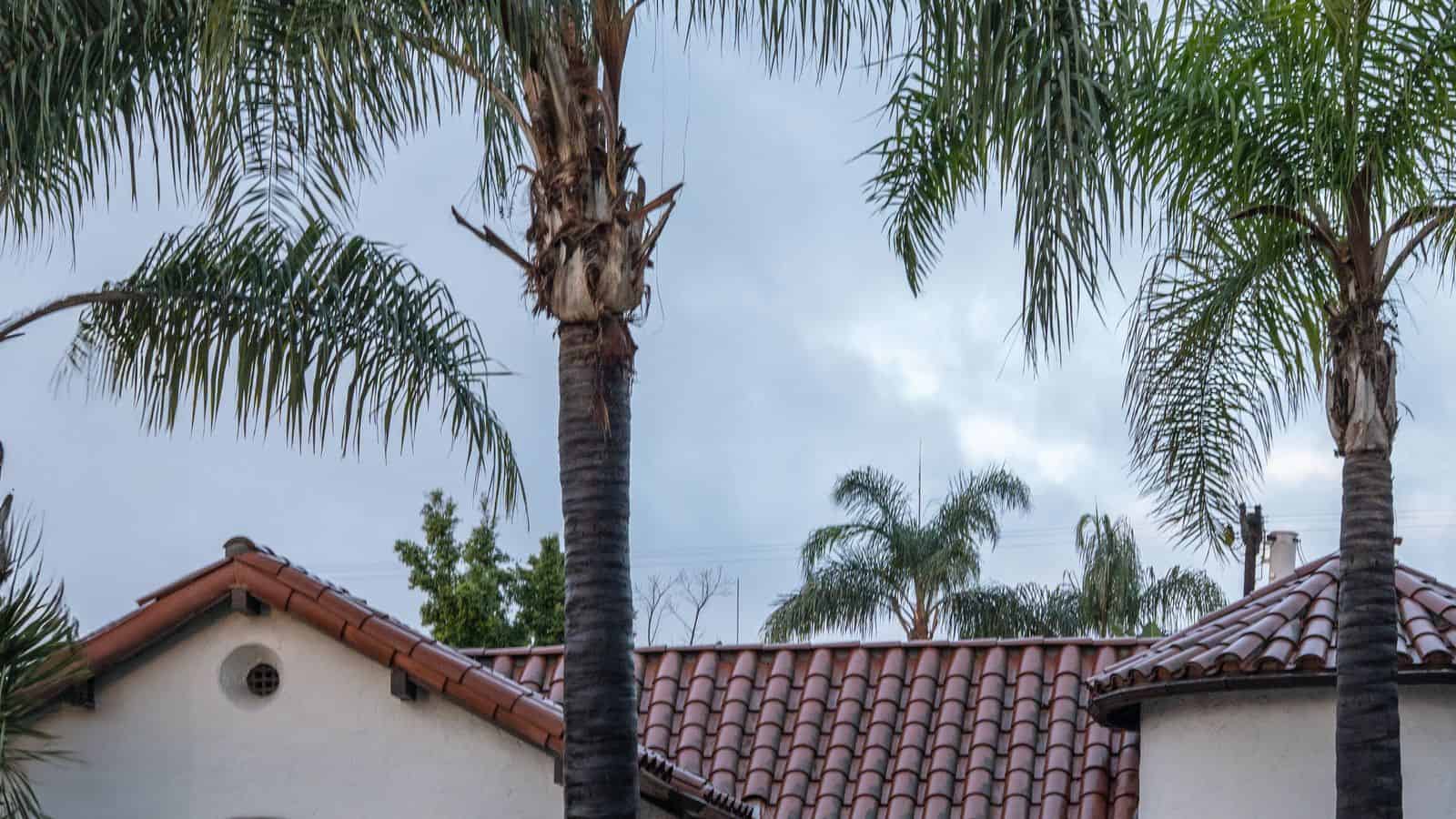
Spanish Trail is one of the original guard gated country club communities in Las Vegas, a development on the west side near the intersection of Tropicana and Rainbow that predates the master planned era and still sets the tone for what a private golf community rental means in this city. More than twelve hundred households live behind its gates around a twenty seven hole championship course, in a mix of custom estates, semi custom homes, townhomes, and villas, each grouped under its own sub-association beneath a master association. For an owner asking whether a Spanish Trail country club rental is worth handing to a Las Vegas property manager, the answer turns on how much time you want to spend with the master association, the sub-association, the gatehouse, and a tenant who expects the home to perform like the neighborhood.
The plain summary is that Spanish Trail rentals are high value, low turnover, and rule dense. The tenant pool is small and particular. The associations are established and well run, which means they enforce. The homes are older than most luxury inventory in the valley and need an owner who maintains ahead of problems. A manager earns a fee here by handling the layers of compliance and the standard of upkeep the community demands, not by collecting rent.
This guide explains how the community is organized, what the covenants mean for leasing, what golf course frontage adds and complicates, who rents here, and what IRES does for an owner behind these gates.
How the Community Is Organized
The official Spanish Trail Master Association site describes a community founded by a family who wanted privacy, security, and serenity on land they owned, and that framing still describes the governance. The master association handles the perimeter, the guard gates, the main streets, common landscaping, and community wide rules. Beneath it, each neighborhood has its own sub-association handling its streets, its own architectural standards, and in the townhome and villa sections, exterior maintenance and shared amenities. The country club and its golf course are a separate private club, and membership is not automatic with home ownership or tenancy.
That three part structure matters to a landlord because each part has its own rules, its own board, its own assessments, and its own opinion about tenants.
What the Covenants Typically Say About Leasing
Established guard gated communities in Las Vegas commonly require a minimum lease term, prohibit short term rentals, require the owner to register the tenant with the master association and the sub-association, require the tenant to sign an acknowledgment of the rules, and require the owner to provide the gatehouse with the tenant’s information so access can be issued. Some sub-associations limit the number of homes that may be leased at one time or require board approval of a lease. The exact terms are in the current governing documents of both associations, and the right move is to read those documents before listing rather than after a notice arrives. Our checklist of HOA rental restrictions every Las Vegas owner should check lists the questions, and in Spanish Trail you ask each of them twice, once per association.
Exterior Maintenance in the Townhome and Villa Sections
The detached estates and the attached villas are governed differently in a way that changes an owner’s costs. In the townhome and villa neighborhoods, the sub-association typically maintains roofs, exterior walls, front landscaping, and shared amenities such as neighborhood pools, funded through a higher assessment. The owner is responsible for the interior, the systems inside the walls, and usually the rear patio or courtyard. In the estate neighborhoods, the owner maintains everything on the lot and the sub-association’s role is enforcement rather than upkeep. An owner buying or holding a villa should read the maintenance responsibility chart in the sub-association’s documents carefully, because it determines whether a roof leak is a phone call to the association or a claim on the owner’s own insurance, and because the assessment that funds the shared maintenance is a fixed monthly cost the rent has to carry.
Guard Gates, Access, and the Tenant Experience
The gatehouse is the first thing a tenant encounters and the first thing that goes wrong if the paperwork is not done. Access credentials, guest lists, vendor access windows, and delivery rules are all administered through the gate, and a tenant who cannot get their housekeeper or their contractor through the gate on the first try will call the owner or the manager immediately. Our piece on managing rentals in guard gated Las Vegas communities walks through the setup steps. For Spanish Trail, the addition is that the owner’s own vendors, including the landscaper and any repair trade, also need to be on the access list, and that the sub-association may have its own rules about when contractors can work.
What Golf Course Frontage Adds and Complicates
A fairway lot is the most valuable position in the community and the one with the most rules attached. Frontage homes often sit under additional architectural restrictions on rear yard structures, fencing, lighting, and landscaping visible from the course. Errant golf balls are a fact of life, and the lease should say who handles a broken window or a dented patio cover, because the club is not going to. Course maintenance crews work early, irrigation runs overnight, and tournament days bring spectators and traffic. A tenant who expects silence at six in the morning on a Tuesday needs to be told before signing.
On the upside, frontage homes lease at a premium and attract tenants who chose the community for the course. Many will want club membership, which is a separate arrangement with the club under its own terms, and an owner should know what the club offers tenants before a listing promises anything.
Who Rents in Spanish Trail
The tenant pool is narrow and well defined. Executives relocating to Las Vegas for a year or two before buying. Physicians and specialists working at the hospitals along the west side. Athletes, entertainers, and gaming industry leadership who want privacy and a gate. Households selling a larger home elsewhere who want a year to decide where to buy. Retirees who prefer the character of an established course community to newer developments. Our review of the Las Vegas luxury rental market describes how this segment behaves. It is small, it moves on referral and reputation more than on listing sites, and it will not tolerate a home that is not ready on day one.
Marketing to this pool looks different too. Photography has to be professional, because the tenant is comparing the home against other private community listings and against the experience of living in a hotel residence. The listing should state the community rules that matter, the gate process, and the club situation plainly, because an executive’s assistant will screen the listing before the executive ever sees it. Showings are by appointment, often on short notice, and often to a representative rather than the tenant. A manager who can do all of that without the owner’s involvement is providing the part of the service that a Spanish Trail owner actually needs.
Vacancy in this segment is measured differently than in a starter home market. A frontage estate might sit for a season, then lease for three years to a tenant who never calls. Pricing has to reflect that pattern, and the owner has to be able to carry the home while the right tenant appears.
The Maintenance Standard an Older Luxury Home Demands
Spanish Trail homes were largely built in the nineteen eighties and nineties, which means original tile roofs at or past their service life, mature landscaping with large trees, older pools and spas with equipment that has been replaced more than once, custom features that require custom repairs, and cooling loads that punish any deferred maintenance. A manager who treats one of these homes like a tract rental will lose the tenant at the first summer failure.
The approach that works is preventive. Cooling systems serviced before summer. Pool equipment on a regular service contract. Trees pruned by an arborist rather than a general landscaper. Roofs inspected after wind events. Small issues addressed on the tenant’s first mention, because in this segment a second mention is a lease non-renewal. Our overview of luxury home property management in Las Vegas sets out the service standard, and Spanish Trail is where that standard was learned.
Before You List, Line by Line
- Read the master and sub-association governing documents, specifically the leasing, architectural, and gate access sections.
- Confirm any lease term minimum, rental cap, or board approval process, and obtain the registration forms.
- Ask the club what membership options exist for tenants and what the owner’s role is.
- Have the roof, cooling, pool equipment, and irrigation inspected and serviced before photographs are taken.
- Photograph the interior and exterior in detail, including the course side elevation and any custom features.
- Write course related issues, contractor access, and guest rules into the lease explicitly.
- Update the owner’s contact information with both associations and the gatehouse.
Is a Manager Worth It Here
The question owners actually ask is whether paying a percentage of a large rent for management makes sense when the tenant is likely to be low maintenance. The honest answer is that the tenant is usually low maintenance and the property is not. The associations generate correspondence. The gate generates calls. The home generates preventive work that has to be scheduled and supervised. And when a tenant at this rent level has a problem, the expectation is a same day response from someone local who knows the house. An owner who lives in the valley, enjoys the work, and has the vendor relationships can self manage. An owner who lives elsewhere, or who bought the home as an investment rather than a hobby, is buying back time and reducing the chance of a lapse that costs a tenant.
What IRES Brings to a Spanish Trail Owner
For owners of Spanish Trail country club rentals, IRES handles the parts of Las Vegas property management that consume time and carry risk. Tenant placement runs through a written screening standard and includes the association registration and the gate access setup so the tenant arrives to a working home. The associations correspond with us, and violation notices are answered before the hearing date. Maintenance runs through licensed, vetted vendors, with a preventive schedule for cooling, pool, irrigation, and roof that fits an older luxury home. Inspections with photo records document the condition of a house that has a lot of condition to document. Rent collection, owner reporting, and the eviction process, on the rare occasions it is needed, run as described on the IRES property management page. The southwest valley is part of our regular coverage area.
Covenants and Nevada’s common interest community rules are described here in general terms and this is not legal advice, so an owner with a specific association dispute should consult a licensed Nevada attorney.