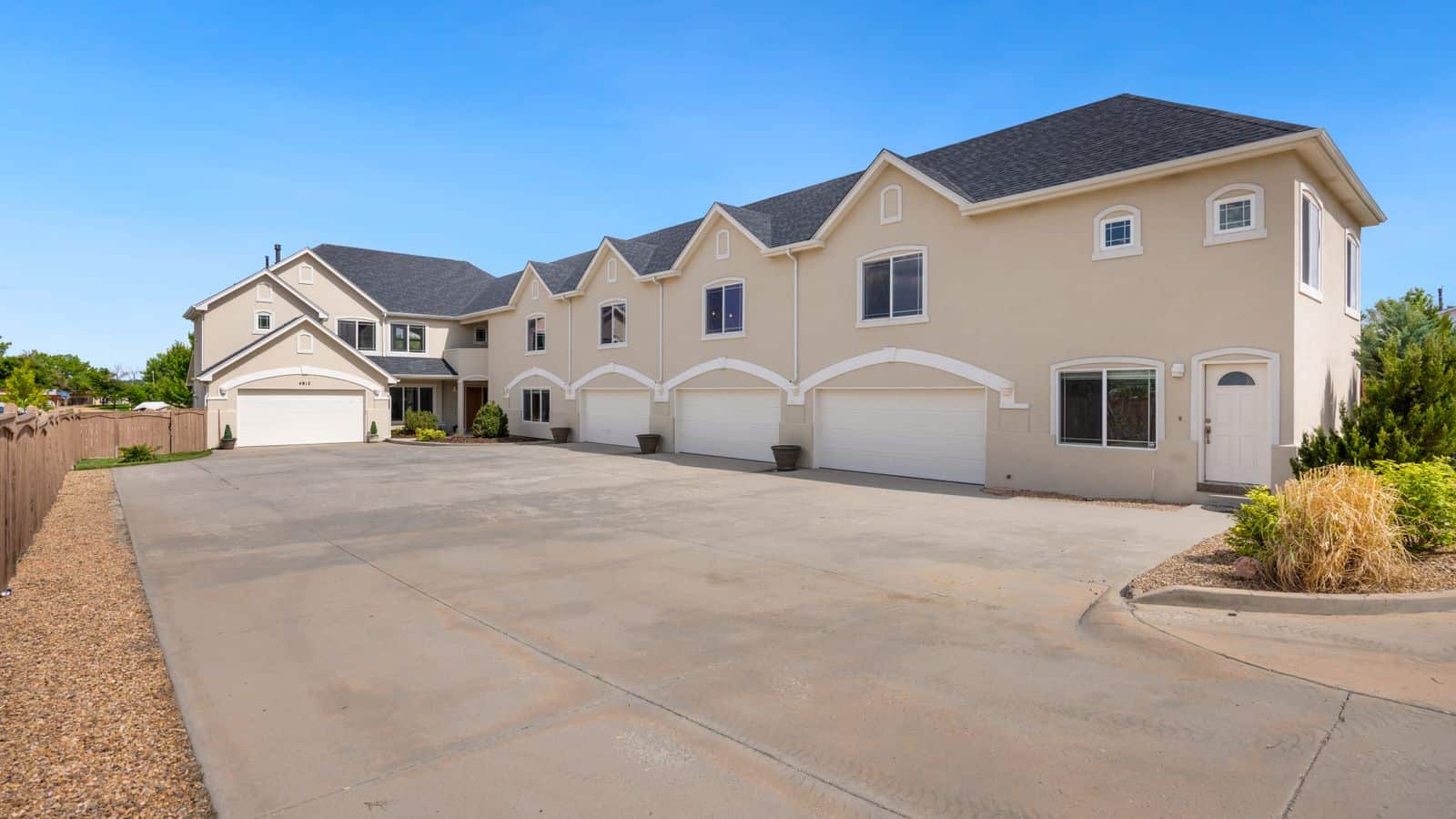
Rancho Bel Air rental due diligence should begin with the exact parcel and the documents that apply to it. A neighborhood name, an entrance, or a listing’s association field does not answer every question about membership, services, and leasing arrangements. Owners should ask the purchase professionals to confirm the property’s identity and relevant documents, then have the manager build a practical access plan. That approach keeps a proposed rental from depending on rules or services borrowed from another property.
Access and governing documents belong in the same owner discussion because both can affect routine management. A contractor may need an entry arrangement, a resident may need a registration step, and a proposed exterior project may raise a document question. Each should be checked against the actual parcel and current source. Do not assume that a procedure described in an old online notice remains available or applies to every home using the community name.
Establish which Rancho Bel Air parcel is involved
The city permit report identifying Rancho Bel Air subdivision information includes a Rancho Bel Air unit reference in its subdivision information. This historical public record illustrates why the neighborhood name alone is not a complete parcel description. It does not establish current association membership, fees, access procedures, or rental restrictions. Ask the professionals handling the purchase to confirm the address, parcel identity, and relevant recorded information for the property under consideration.
Compare the property description across the transaction documents and the source records obtained for the purchase. If a subdivision unit or other identifying detail differs, ask for clarification instead of silently choosing the version in the listing. The owner needs to know which documents were matched to the actual parcel. A record from a similarly named development or another unit should not become the basis for a rental plan without verification.
Keep the identity question separate from a legal conclusion. A historical permit reference can help direct research but does not answer how an association document affects the parcel today. Where applicability is unclear, obtain appropriate professional review of the relevant records. The manager can identify the operational questions that need an answer without deciding an unresolved ownership or governing-document issue on the owner’s behalf.
Obtain the current applicable document package
Ask what documents the purchase professionals will obtain and how they will confirm that the package applies to this property. The information may include recorded instruments, current rules where applicable, relevant financial information, and notices associated with the transaction. The exact package depends on the actual arrangement. Do not infer that a public directory has supplied everything the owner needs because it lists an association name and a contact.
Identify the source and date of each current document. An older notice can be useful background, but a current response should clarify the procedure or charge the owner plans to rely upon. Ask whether updates or amendments affect the information provided. The owner should receive the actual material needed for review, not a summary copied from an unrelated listing or a remembered conversation about another house.
If the source cannot supply a clear answer, preserve the question as unresolved. An inaccessible website does not prove there are no rules, and a missing entry in a directory does not prove membership. Ask the appropriate transaction professional how to proceed with the available records. The practical goal is to make the owner’s purchase and operating decisions with uncertainty visible, rather than letting an unanswered document request disappear.
Investigate the rental plan directly
Give the reviewing professional a clear description of the intended use. A conventional rental arrangement, a proposed separate living area, and another type of use can raise different questions. Do not assume that an answer about one plan establishes the status of another. The owner should explain what is actually proposed and ask which parcel-specific documents or other official requirements need review.
Ask about any applicable leasing procedures, registration steps, and conditions relevant to the intended arrangement. Obtain the current source rather than assuming a rule from a neighboring community. The manager should identify what it can coordinate and what requires the owner’s decision or another professional’s review. This article does not assert a particular minimum lease term, rental cap, or approval requirement for Rancho Bel Air.
If a property’s existing rental arrangement is part of the purchase, investigate the actual documents and operating responsibilities associated with it. A listing saying tenant occupied is not a complete account of the arrangement. Ask the relevant professionals to review what transfers, what remains pending, and what information the proposed manager needs. Keep the document review distinct from the physical condition assessment of the home.
Confirm what services the owner is purchasing
If association or shared-service charges apply, obtain the current property-specific amount and scope from the appropriate source. Identify what is included and what the owner must arrange separately. An entrance or shared feature can be visible without establishing the financial arrangement that supports it. Do not treat a historic amount or another property’s charge as a verified expense for this parcel.
Keep recurring charges separate from one-time transaction expenses and any unresolved proposed costs. The owner should be able to identify the supporting source for each figure used in the investment analysis. No community-wide fee or rent appears in this article because those amounts need current property-specific evidence. A useful manager discussion starts with actual documents rather than a round estimate attached to the neighborhood name.
Ask who handles notices and questions from any applicable association or service provider after the rental begins. The owner may remain responsible for decisions while the manager coordinates a defined set of tasks. Clarify that arrangement in the actual management discussion. Do not assume that hiring a rental manager automatically transfers every owner obligation or makes the manager the authority on unresolved document applicability.
Walk the physical access route
Visit the property and identify the route residents and service providers would actually use. Observe the entrance, driveway, pedestrian approach, and any controlled access that is present. Then obtain the current procedure from the relevant source. A successful showing visit does not establish how a tenant will enter later or how an independently scheduled contractor will be admitted.
If entry uses a device, registration, visitor arrangement, or staffed process, ask which parts apply to this address and the intended rental use. Confirm the source and the steps that can be established before handoff. Do not assume a particular staffing schedule or device type based on online marketing. The manager needs a process that reflects the current arrangement rather than an image of a gate or a historical description.
Keep community entry separate from access to the house itself. A contractor admitted through an entrance still needs the appropriate appointment and property-access arrangement. The owner should ask the manager how those two steps are coordinated. This prevents a general instruction to let the worker in from being mistaken for permission to enter the rental at any time or to use a tenant’s personal information unnecessarily.
Plan recurring contractor visits
Ask which maintenance tasks are likely to require recurring visits at the actual property. Yard care, equipment service, and other tasks belong in the plan only if the home has those needs. For each relevant service, confirm the entry arrangement and the property’s access route. A provider quote should account for the real location and scope without relying on an assumption that community entry will be automatic.
reviewing vendor relationships and maintenance charges can help an owner ask broader questions about maintenance relationships and charges. At this rental, the practical questions include who schedules the visit, who supplies authorized entry information, and what the provider does if access cannot be completed. Obtain a specific answer before recurring service begins. A contractor’s willingness to quote work does not establish that all access arrangements have been confirmed.
If a planned visit fails, record the reason accurately. The guidance in handling a missed vendor appointment is relevant to coordinating the next step. A worker who could not enter, a worker who never arrived, and a property appointment that was changed are different situations. The manager should identify what occurred and what needs correction instead of applying the same explanation to every missed service visit.
Keep access information out of general documents
Access information should move through the manager’s appropriate process and only to the people who need it. A repair estimate or public listing can identify the property without publishing credentials. The owner should ask how the company handles job-specific instructions and how it updates them when a visit or resident arrangement changes. The answer should describe a practical process, not simply say that access is secure.
Confirm how resident instructions will be provided at handoff. Separate ordinary arrival information from procedures for reporting an equipment problem or urgent concern. A community contact is not automatically the rental’s maintenance contact. Give the resident the actual management communication process and verify that it matches the services the owner has arranged. Avoid copying an old neighborhood notice as though it were a current instruction package for the tenancy.
If an entry device is part of the applicable arrangement, ask about the current procedure for obtaining, recording, and returning it. The source should confirm any charge or other condition before it is presented as a tenant responsibility. This article supplies no device fee or universal replacement rule. The owner’s plan should be built from the current process and the appropriate rental documentation for the actual property.
Check proposed exterior work against the documents
An owner may want to change a gate, wall, driveway feature, or other exterior element before leasing. Ask the appropriate source whether the actual parcel and proposed work require any document or project review. A rule for one kind of change does not establish the process for every other project. Keep the contractor’s technical proposal and the document question connected without treating either as a substitute for the other.
Provide a specific description of the proposed work when requesting clarification. Identify what would remain, what would change, and where it is located. The owner can then obtain useful guidance rather than a general answer about improvements. If the proposal changes after review, ask for a revised scope and estimate before authorizing the contractor. A previous information request does not establish approval of an altered project.
Budget the confirmed preparation expenses separately from ongoing charges. how an owner reserve works offers context for maintaining owner funds under the management arrangement. The actual funding plan should reflect this property’s needs and verified costs. Do not assume that shared-service charges cover every repair inside the parcel or that an owner reserve eliminates the need for a separate decision on proposed work.
Describe the rental without unsupported service claims
The marketing description should reflect the actual home and confirmed arrangements. If controlled access is a verified feature of the offered property, describe it accurately without promising an outcome about crime or personal safety. Do not turn an entrance arrangement into a guarantee. Applicants should receive useful facts about how the rental operates, with technical or document uncertainties addressed before the feature is presented as settled.
Avoid advertising shared amenities or services unless their availability to this rental has been confirmed through the relevant source. A facility visible nearby or mentioned in a directory does not establish access rights for the tenant. The manager should identify what is included, optional, excluded, or unresolved. Those distinctions affect the rental offer and should not be left for an applicant to discover after signing.
For financial planning, request a current property-specific leasing assessment if the owner needs a rent estimate. Neither subdivision identity nor an entry arrangement supplies that figure. Keep the actual condition, offered features, applicable documents, and current comparable evidence in view. The owner can then evaluate the plan without importing a neighborhood-wide statistic that does not describe the home being considered.
Make the management handoff address specific
A useful Rancho Bel Air review ends with the verified parcel identity, applicable documents, current service information, and practical entry arrangements. It should also identify questions still awaiting professional review. The owner needs to know whether the plan depends on an unconfirmed restriction, assumed shared service, or entry process that has not been tested through the appropriate channel.
For Las Vegas property management, ask who confirms rental procedures, coordinates community and property access, and brings unresolved document questions back to the owner. A workable answer distinguishes the manager’s operational tasks from the professional review needed for document applicability. Rancho Bel Air due diligence should leave the owner with a rental plan for the specific house, supported by current sources and clearly identified limitations.