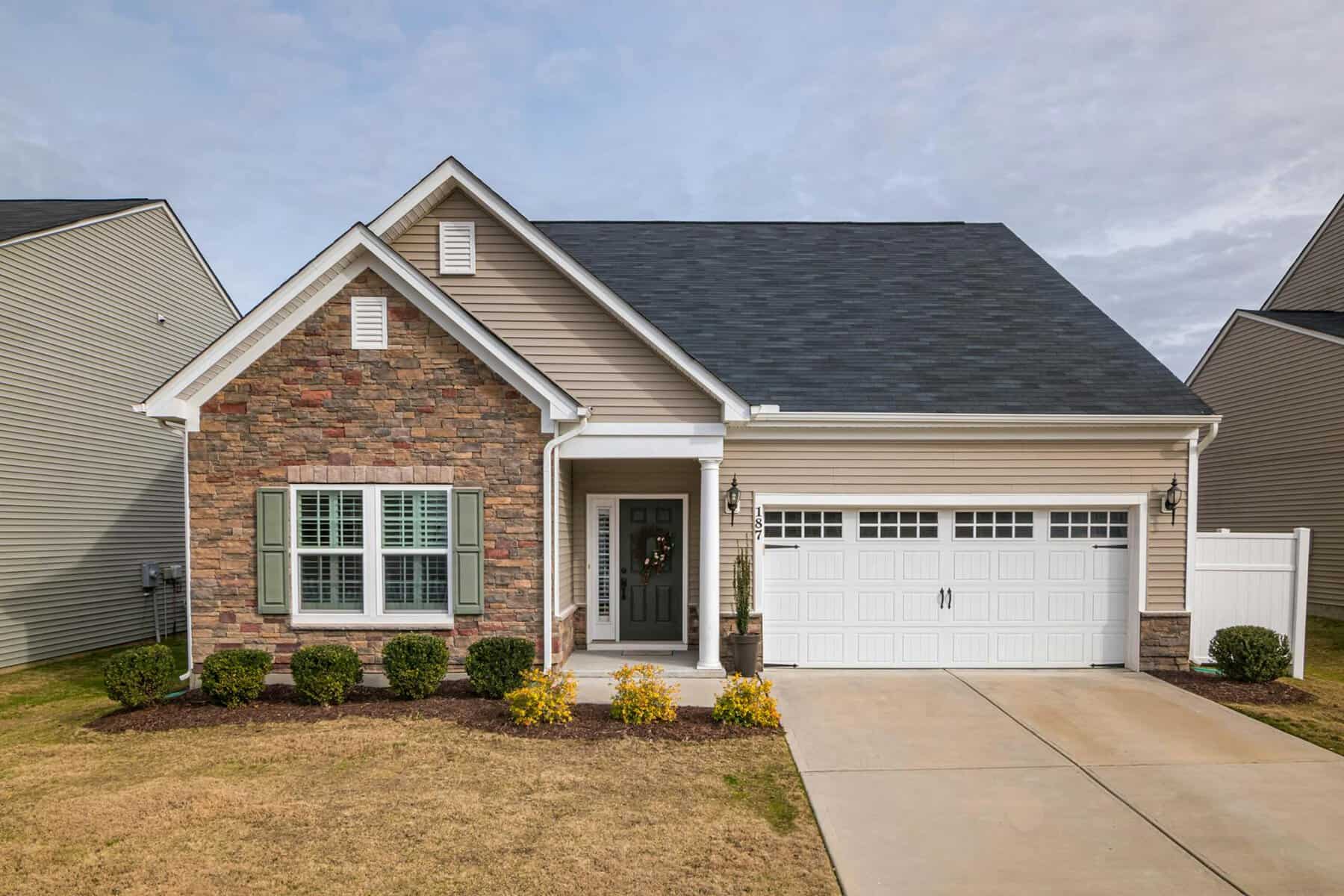
The single family rental is the workhorse asset class in Las Vegas property management. It is what most local operators run by default, and it is where the gap between a strong manager and a mediocre one shows up most plainly in your monthly net. This guide covers what single family rental management actually involves in Las Vegas, where SFR economics live or die, and what to look for when you are interviewing managers for a detached-home portfolio.
What Single Family Management Actually Covers
Full-service single family management in Las Vegas includes marketing the property, screening applicants, drafting the lease, collecting rent, handling maintenance dispatch, conducting move-in and move-out inspections, sending owner statements, filing 1099 information at year end, and handling eviction administration when required. The fee for that scope typically lands in the 8 to 10 percent of collected rent range, with a separate lease-up fee that ranges from half a month to a full month of rent on first placement.
A cheaper headline rate often comes with a heavier schedule of add-on fees. The true cost is the all-in number, not the headline.
Yard, HVAC, and Pool Are the Three Failure Modes
Las Vegas summers will kill landscaping and shorten HVAC life in months if neglected. The three operating disciplines that separate competent SFR management from amateur SFR management are quarterly landscape inspections that catch broken drip lines and dead plants before they spread, semi-annual HVAC maintenance with documented filter changes and condenser coil cleaning, and quarterly pool service verification at properties with pools so that the tenant has not let the chemistry drift.
A manager who waits for tenant complaints to schedule any of these is reactive, not proactive. Reactive management of a Las Vegas single family rental produces a five-year HVAC instead of a fifteen-year HVAC and a landscape rehabilitation bill at every turnover.
Tenant Screening Standards for SFR
Single family rentals attract families, and family tenants are the most common long-tenure profile in Las Vegas. Screening should still include income verification at three times monthly rent, credit history, eviction history, rental history with verification of prior landlord references, and identity verification. A serious manager pulls these from independent reporting sources, not from documents the applicant brings.
Pet policy on single family rentals is more flexible than on condos or townhomes, but it still needs a written policy, pet rent or pet fee structure, and documentation of breed and weight at move-in. Urban Institute research on the single family rental sector consistently shows tenure in SFR runs longer than apartment-class tenure, which compounds the value of a good initial screening process.
Leasing Pace and Vacancy Math
Days on market for a correctly priced Las Vegas single family rental should land in the two to four week range. A unit that sits longer is either mispriced for the submarket, presented poorly in photos and listing copy, or carrying a defect that a tour reveals. A good manager runs a price review at the two-week mark and a presentation review at the three-week mark rather than letting the listing drift through a full month at the wrong number.
Each week of vacancy on a typical Vegas SFR is roughly one percent of annual gross rent. Catching mispricing in week two saves real money.
Lease Terms That Hold Up Through Disputes
The Nevada landlord-tenant lease that holds up in court is specific. It identifies the parties and the address, the lease term and renewal option, the rent amount and due date, the security deposit amount and the conditions for return, the tenant’s maintenance responsibilities, the landlord’s right of entry with notice, the pet policy in writing, the smoking policy, and the consequences of breach. A manager using a generic landlord-tenant form without state-specific language is exposing the owner to disputes that should not happen.
Maintenance Vendor Network Quality
A property manager is only as good as their vendor bench. Ask any prospective manager who their primary plumber, HVAC contractor, electrician, and handyman are. A manager who uses a single shop for everything has either built one strong relationship or is paying a markup on everything because that one vendor has them locked in. The strong answer is named vendors per trade, with backup options, with documented response time expectations.
Some managers add a percentage markup on maintenance invoices. Some bill straight pass-through. Ask the question. Both models can work, but you need to know which you are buying.
Move In and Move Out Inspection Discipline
Documented move-in and move-out inspections with date-stamped photos are the foundation for clean security deposit returns and rare disputes. A manager who relies on memory or quick walkthroughs without documentation will lose at least one deposit dispute per year in small claims court, where the tenant has the testimonial advantage if the landlord cannot produce evidence.
The Nevada 30-day security deposit return rule is firm. Missing it produces statutory damages that can exceed the deposit itself.
Owner Reporting Cadence
Monthly owner statements should arrive within the first week of the following month. They should show rent collected, vendor invoices paid with copies attached or linked, management fee, owner distribution, and year-to-date totals. An owner portal that lets you see real-time activity beats a monthly PDF for transparency. Ask each prospective manager to show you a sample owner statement before signing.
Eviction Handling
Nevada eviction is a summary process, but it is rule-bound on every step. Notice timing, posting, court filing, hearing, lockout coordination with the constable, all have specific requirements under NRS Chapter 40. A property manager who has run multiple Las Vegas evictions and uses a Las Vegas eviction attorney as needed will resolve a non-paying tenant in 30 to 45 days. A manager improvising the process can stretch that to 90 days or longer and rack up legal fees fixing procedural errors.
What to Ask a Single Family Rental PM
How many single family units do you currently manage in Clark County. What is your average days on market for placement. What is your standard tenant screening package. Who are your vendors per trade and is maintenance billed straight pass-through or with markup. What is your owner statement cadence and can I see a sample. How do you handle eviction proceedings and who is your eviction attorney. What is your renewal fee and what is your lease-up fee on a new placement after turnover.
What makes a single-family rental easier to keep occupied
Single-family rentals hold tenants longer than almost any other product in the Las Vegas market, and the reason is simple. A family that moves into a house with a yard, a garage, and no shared walls tends to settle in, enroll children in nearby schools, and renew rather than uproot. Every renewal an owner earns is a turnover avoided, and turnover is where the real cost of a rental hides, in vacancy weeks, make ready expense, and a fresh leasing cycle. The product itself does part of the retention work.
That advantage only pays off if the management protects it. A tenant who would happily stay for five years will still leave if maintenance requests go unanswered or a renewal arrives as a clumsy rent increase. Keeping a good long-term tenant means responsive repairs, fair and well-explained renewals, and an owner who understands that a slightly below-peak rent on a tenant who never leaves beats a top rent that turns over every year. Smaller multifamily product such as a duplex or fourplex trades some of this stability for more doors, while a luxury home rental serves a different tenant with different expectations. The detached single-family home occupies the steady middle most owners are looking for.
Curb appeal and the small touches close the gap. A clean yard, a working garage door, and a home that feels cared for are what make a tenant choose to renew when a competing listing appears down the street. None of it is expensive, but it requires someone paying attention between leases rather than only when something breaks. That ongoing attention is what converts the natural stickiness of a single-family rental into years of uninterrupted rent.
Working With IRES on Single Family Rentals
IRES manages single family rentals across Henderson, Summerlin, North Las Vegas, the inner valley, and the Northwest. We run quarterly inspections, semi-annual HVAC service, and standardized move-in and move-out documentation, and we publish our fee schedule in full so you can model true net rather than headline rate. If you are building an SFR portfolio in Las Vegas, we can walk you through where each submarket is performing and where to expect operating surprises.
Why Pool Homes Are Their Own Operational Category in Las Vegas
A meaningful share of single-family rentals in the Las Vegas valley have pools, and the presence of a pool changes the operational profile of the property in ways that warrant treating pool homes as a separate management category rather than a single-family rental with an extra feature. The differences span maintenance, liability, marketing, and pricing.
Maintenance on a Las Vegas pool runs continuously through the year because the climate does not produce a true off-season. Weekly service is the operational baseline for most pools, with monthly chemistry checks, quarterly equipment inspections, and annual pump or filter service depending on equipment age. The right vendor relationship is critical because pool equipment failures during the May-through-September peak demand period can carry weeks of wait time, and a pool that cannot be used during peak season is a material disappointment for any tenant who paid a rent premium for pool access. The cost of weekly service is predictable; the cost of equipment failure during peak season is not.
Liability exposure on pool homes is higher than on non-pool single-family rentals, and the right insurance posture reflects this. A liability rider on the landlord policy specifically addressing pool-related claims (including injuries to children, drowning incidents, and slip-and-fall around wet pool decking) is essentially standard. The lease should include a pool addendum that names the tenant’s responsibility for supervising guests, prohibits unauthorized pool parties beyond a reasonable scope, and documents the safety features (gate, fence, alarm where present) that the tenant is responsible for keeping operational. None of this eliminates liability but it shapes the legal posture if a claim ever materializes.
Marketing and pricing for pool homes follow a distinct pattern. Pool homes carry a meaningful rent premium during the spring-to-fall portion of the year (a Vegas pool is a real amenity for nine months) and a smaller premium in winter months. Listing photography should foreground the pool and the pool deck, the showing experience should highlight the maintenance routine and equipment quality, and the tenant pool that prioritizes a pool tends to be willing to commit to longer initial terms in exchange for stable access. The pricing strategy that maximizes lifetime revenue on a pool home is therefore different from the pricing strategy that maximizes month-to-month asking rent, the right move is usually a slight discount against the peak asking rent in exchange for a tenant willing to commit to a longer initial term and a strong renewal posture.
For the full scope of how we manage Las Vegas rentals end to end, see our property management services.
Need Help Managing Your Las Vegas Rental?
IRES takes the stress out of property management. Whether it’s tenant screening, lease enforcement, rent collection, or just getting your time back, we’ve got you covered.
Call us: 702-478-2242
Email: brandy@iresvegas.com
Or visit our Contact page
This article provides general information about Nevada landlord-tenant law and federal fair housing requirements and should not be considered legal advice. For specific legal questions, consult a licensed Nevada attorney.