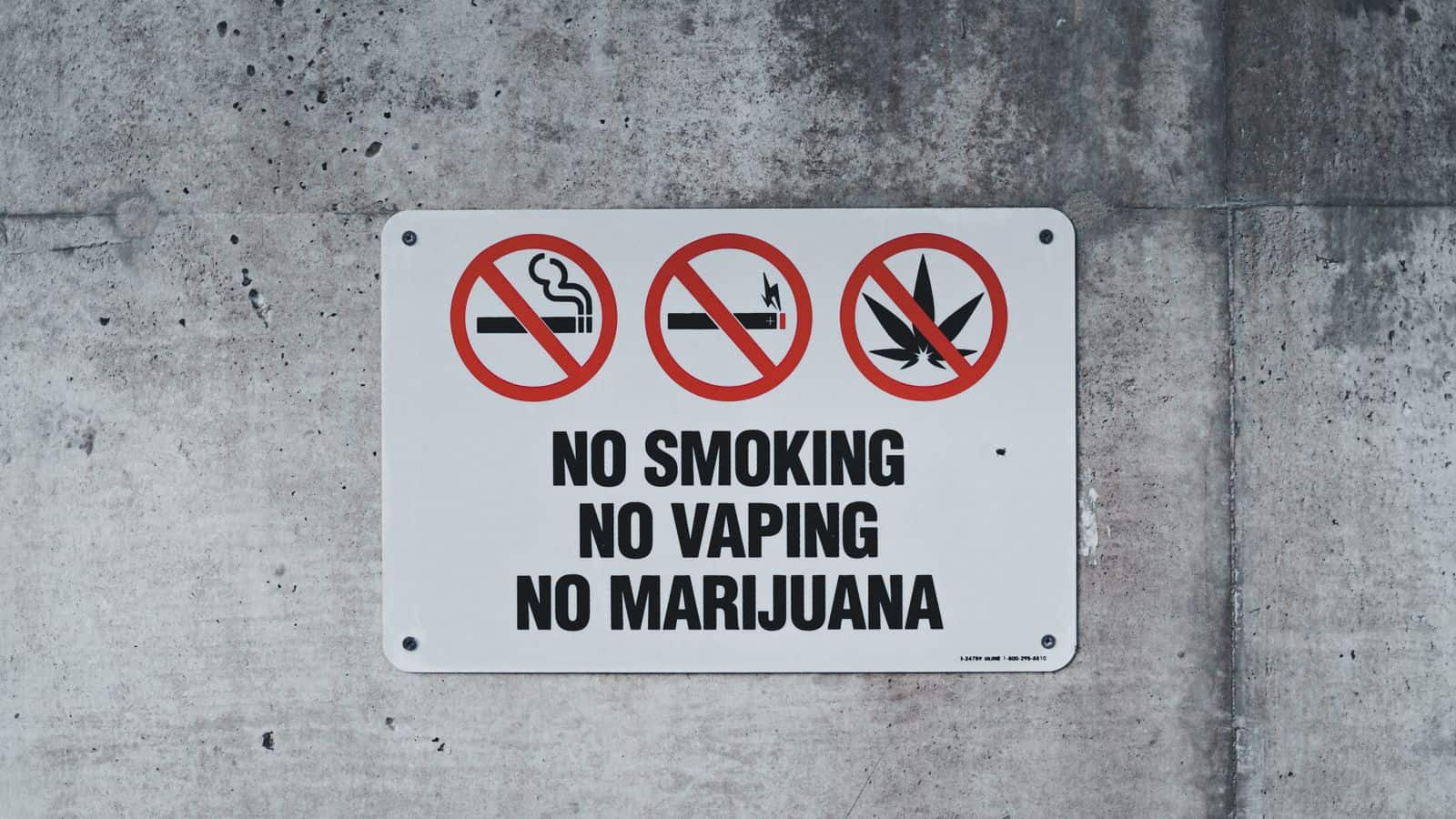
You just paid to repaint a rental that smelled like an ashtray, and you never want to do it again. A smoke free rental lease is how you stop the next tenant from smoking or vaping in your Las Vegas home, and it only works if the rule is written before anyone signs. This guide shows you what to put in the addendum, where the rule should reach, and how a manager enforces it without turning every complaint into a fight.
The short answer to your question is yes. You can ban smoking and vaping inside the home, and you can extend that ban to the patio, the garage and the yard. What you cannot do is add the rule halfway through a lease and expect it to stick, or charge a tenant for smoke damage you never documented. The work is in the wording and the records.
Can a Las Vegas landlord ban smoking in a rental?
Yes. The Southern Nevada Health District runs a smoke free housing program, and its Get Healthy Clark County smoke free housing page states that it is legal to restrict or eliminate smoking in individual units and common areas. The same page compares a no-smoking rule to other ordinary lease rules, such as a no-pets clause or set pool hours. It also states that smokers are not a protected class under state or federal anti-discrimination law.
That framing matters for you as an owner. A smoking ban is a property rule about conduct inside your home. It is not a judgment about the person. You apply it to every applicant the same way, you disclose it in the listing, and you put it in writing before the lease starts.
The health district page also points out something many owners miss. Apartments and condos count as personal residences, so the Nevada Clean Indoor Air Act does not stop anyone from smoking inside them. No state rule is going to keep your rental smoke free for you. Your lease is the only tool that does.
What should a smoke free rental lease addendum actually cover?
Most owners write one line that says “no smoking” and stop there. That line fails the first time a tenant argues that a vape pen is not smoking, or that the rule only meant cigarettes. Your addendum should define the products, the places and the people it covers. Spell each one out so nobody has to guess.
Start with a definition section. The Get Healthy Clark County page notes that smoke free policies may cover tobacco, electronic cigarettes, cannabis, or a combination. Cover all three in plain words. A workable list looks like this:
- Lit tobacco of any kind, including cigarettes, cigars, pipes and hookah.
- Electronic cigarettes, vape pens and any device that heats a liquid or oil to make vapor.
- Cannabis in any smoked or vaped form.
- Any other lit or heated product that gives off smoke, vapor or a lingering odor.
Then name the places. List the interior of the home, the attached garage, any enclosed patio, and the areas you want covered outdoors. Then name the people. The rule binds the tenant, every occupant, and every guest or visitor the tenant lets in. The health district offers a toolkit for apartment owners and managers with a model no-smoking lease addendum, and it is a sensible starting draft to compare your own wording against.
Keep the addendum separate from the main lease, with its own signature line. A standalone page makes it obvious that the tenant read and agreed to it. Our guide to Nevada lease addendums that hold up covers how to format an addendum so it stays enforceable and does not contradict the lease it attaches to.
Does the rule reach the patio, garage and backyard?
It reaches as far as you write it. If the addendum says “inside the home,” a tenant can smoke on the back patio every night and you have no violation. Decide where your line sits before you list the property. There are three common choices, and each one has a tradeoff.
- Interior only. No smoking or vaping anywhere under the roof, including the garage. The yard and open patio stay allowed. This is the easiest rule to sell to applicants who smoke, but smoke still drifts back in through sliding doors.
- Interior plus covered areas. The ban adds covered patios, balconies and any spot within a set distance of doors and windows. This protects the stucco, the patio cover and the window screens.
- Entire property. No smoking or vaping anywhere on the lot. This is the cleanest rule to enforce and the easiest to explain in a listing.
For a Las Vegas single family home, the covered patio is often where the damage shows up. Smoke stains a patio cover, and butts end up in the gravel or the planters. If your home sits in an HOA community, check the association rules as well. Some communities have their own rules on smoking in common areas, and your lease should never promise a tenant something the HOA forbids.
Condos and townhomes add one more wrinkle. The health district page notes that smoke seeping between units is a common problem with shared ventilation, and it says there are no fail-proof fixes. Your lease controls your tenant, not the neighbor. Tell applicants the truth about that in writing so they do not blame you for smoke that comes through a shared wall.
How do you handle guests and cannabis users?
Guests are the gap most addendums leave open. A tenant who never smokes can still host a weekend visitor who lights up in the living room. Your addendum should make the tenant responsible for every guest’s conduct, the same way the main lease does for noise or parking. The tenant agrees to tell guests about the rule and accepts the consequences if a guest breaks it.
Cannabis needs its own sentence. Nevada allows adult use, and some tenants assume that means they can use it anywhere they live. Your addendum should still name smoked and vaped cannabis on the list of banned products, right next to tobacco, so the rule covers it in plain words. If you already have a tenant using cannabis and no clause covering it, read our guide on what to do when a tenant is smoking weed in your rental, which covers the situation after the fact.
If a tenant raises a medical reason for an exception, do not answer on the spot. Ask your manager to handle the request in writing and keep a record of the reply. The goal is a consistent process that applies to everyone, not a hallway conversation that becomes a dispute later.
How does a property manager enforce a smoking ban?
Enforcement is where a smoke free rental lease either earns its keep or becomes a polite suggestion. A manager does not police the home every day. The manager builds a paper trail, and the trail does the enforcing. Here is the order a careful manager follows.
- Baseline at move-in. The move-in inspection notes that the home has no smoke odor, no nicotine film on walls or vents, and no burn marks. Photos and a short written note back it up.
- First report. A neighbor complaint, a vendor’s note, or a smell during a routine visit gets logged with the date, time and source.
- Verification. The manager gives proper notice and inspects. Signs include odor in fabrics, yellow film on light switches and vents, ash on the patio, and butts in planters.
- Written lease violation notice. The tenant receives a notice that cites the addendum, describes what was found, and states what must stop.
- Follow-up. A second inspection confirms whether the behavior stopped. A repeat violation follows the same written process, and the manager advises you on next steps under the lease.
Each step costs time, mostly a few days between notice and inspection. The real payoff comes at move-out. When the file holds a clean baseline, dated reports and signed notices, a smoke damage charge rests on records instead of a hunch.
Ask your manager to put two things in writing for you. First, the inspection schedule that applies to your home. Second, the exact notice they send for a smoking violation, so you know it cites the addendum by name.
Can you charge for cleaning and repainting after a smoker moves out?
You can charge for documented damage. You cannot charge for ordinary aging of the home. The difference is the heart of every deposit dispute, and smoke damage sits right on that line. Faded paint after three years is wear. Walls that need a stain-blocking primer before they can be painted, because nicotine bleeds through, are damage the tenant caused.
Our breakdown of normal wear and tear versus tenant damage in Nevada walks through how to tell the two apart. For smoke, the usual damage items include:
- Walls and ceilings that need sealing primer before paint will cover the stain.
- HVAC filters and vent covers coated in residue, and in heavy cases duct cleaning.
- Carpet and pad that hold odor after a normal cleaning.
- Window blinds, light fixtures and switch plates with yellow film.
- Burn marks in carpet, counters or the patio surface.
Every charge needs three things behind it. A move-in record showing the item was clean, a move-out record showing the damage, and a vendor invoice for the actual work. Without the move-in baseline, a tenant can argue the stains were already there, and you will have a hard time proving otherwise. Ask your manager to send you move-out photos alongside the itemized statement so you can see what you are being asked to approve.
When should you add the rule to an existing lease?
The clean moment is a new lease or a renewal. Adding a smoking ban halfway through a signed lease changes the deal, and a tenant does not have to accept a new term just because you want it. If your current tenant already smokes, plan the change for the renewal date and give plenty of notice.
A sensible sequence for a home already under lease looks like this. Your manager tells the tenant in writing, well ahead of renewal, that the renewal will include a smoke free addendum. The tenant can sign the renewal with the new addendum or decide to move. Either way, nobody is surprised, and the rule starts on a clear date.
If the home is between tenants, add the addendum to the lease package before the listing goes live. That way every applicant sees it in the listing, at the showing and again at signing.
Does a smoke free home rent better in Las Vegas?
It can help, as long as you market it honestly. Many renters, including families and people with asthma, look for homes where nobody smokes. A clear line in the listing, such as “smoke free and vape free home, inside and on the patio,” tells those applicants what they want to know before they book a showing.
The health district also runs a Smoke-Free Housing Directory where properties can submit themselves for listing. That directory is aimed mostly at apartment communities, but it shows that the region treats smoke free housing as a feature renters look for. Check its listing request form if you own several units in one building.
Be careful with the claims you make. Do not say a home has “never been smoked in” unless you know that for certain. Say what your policy is going forward and that the home was cleaned and inspected before the current listing. Accurate claims protect you if a tenant later says they were misled.
A smoke free listing does narrow the applicant pool somewhat. In exchange, you get a tenant who agreed in writing to protect your paint, carpet and air system. For most owners that trade is worth it, but it is your call, and your manager should help you weigh it against your vacancy timeline.
What should you ask your property manager to put in writing?
Before your next lease goes out, ask your manager for a short written package. It should include the smoke free addendum itself, the places it covers, and how guests are handled. It should also include the inspection and notice steps above, and the move-out process for smoke damage charges. If any of those answers are vague, the rule will be vague when you need it.
At IRES, a smoke free policy is set up at the start of a tenancy, not after the damage is done. Our Las Vegas property management services include lease addendums, documented move-in and move-out inspections, written violation notices, and itemized deposit accounting, so a rule you write today still holds up when the lease ends.
Your next step is simple. Decide where your line sits, inside only, covered areas, or the whole lot, and write it down. Then put it in front of every applicant before they sign. If you want help drafting the addendum or enforcing it on a home you already rent out, call IRES at 702-478-2242.