What Does the Law Actually Allow in a Las Vegas Rental
Nevada legalized recreational cannabis for adults 21 and older, and a lot of landlords assume that legalization settled the question of home growing. It did not. Possessing and consuming cannabis is one legal question. Cultivating live plants inside a home is an entirely different one, with its own set of rules that are far more restrictive than most tenants realize.
For nearly every rental in the Las Vegas valley, the practical answer is that a tenant cannot legally grow cannabis on your property. That is not a matter of your personal preference. It is a consequence of how Nevada wrote its home cultivation law, combined with a specific statute that hands the final say to you as the property owner. Below is the full picture, so you can write a lease that holds up and respond correctly if you ever find plants growing in one of your units.
How Nevada Separates Smoking From Growing
The distinction that trips up landlords is the gap between consumption and cultivation. Under Nevada law, an adult 21 or older may legally possess cannabis, currently up to 2.5 ounces of usable flower or one quarter ounce of concentrate as of the 2024 update. That is a possession right. It travels with the person, not the property.
Growing plants is different because it is tied to a physical location and creates ongoing conditions inside the home. A tenant who lawfully buys an eighth from a dispensary in Summerlin has done nothing that touches your walls, wiring, or insurance. A tenant who sets up a grow tent in the second bedroom has introduced moisture, heat, electrical load, and odor into your asset. Nevada treats these as separate legal questions, and so should your lease. If your concern is odor and secondhand exposure rather than plants, our guide on what your rights are when a tenant is smoking weed in your rental covers that side of the issue in detail.
What Does Nevada Actually Require for a Legal Home Grow
Nevada’s home cultivation rules live in NRS Chapter 678D, the chapter that governs adult use of cannabis and replaced the older ballot-initiative framework that voters approved in 2016. The Nevada Cannabis Compliance Board publishes the same rules in plain language on its public cannabis FAQ resource. Four conditions must all be met before an adult can legally grow at home, and they stack together in a way that quietly rules out almost the entire Las Vegas metro.
The 25-Mile Rule That Quietly Bans Most Las Vegas Grows
The first and most important condition is distance. An adult may only cultivate cannabis at a residence if there is no licensed retail cannabis store within 25 miles of that home. The idea was to give rural Nevadans, people in places far from any dispensary, a legal way to obtain cannabis. It was never meant to authorize backyard grows in the suburbs.
Here is why this matters so much in Clark County. Las Vegas, Henderson, North Las Vegas, Spring Valley, Enterprise, and the surrounding master plans are saturated with licensed dispensaries. A rental in Summerlin, Cadence, Skye Canyon, or almost anywhere inside the valley sits well within 25 miles of multiple stores. That single fact makes home cultivation illegal for the overwhelming majority of Las Vegas tenants, no matter how many plants they want or how carefully they hide them. If a tenant tells you Nevada legalized growing, the 25-mile rule is usually the answer to why their specific situation is not covered.
How Many Plants Are Allowed and Who Counts
Even in the rare qualifying rural location, the numbers are tight. An eligible adult may grow no more than six plants. A single household, meaning the residence and its grounds, may contain no more than 12 plants total, regardless of how many adults live there. Two adults do not get to combine their limits into a larger operation. The 12-plant household ceiling is firm. Anything above those figures moves into unlicensed cultivation territory, which Nevada penalizes separately under its criminal cultivation statute.
The Enclosed and Locked Space Requirement
A legal grow, where one is even permitted, must sit inside an enclosed area equipped with a lock or similar security device, and it cannot be visible to the public. A closet, a locked room, or a secured greenhouse can satisfy this. Plants on a patio, in a front window facing the street, or anywhere a neighbor or passerby can see them fail the test outright. For a rental, this requirement almost always means alterations to your unit, added humidity in an enclosed space, and modified electrical use, all of which create their own problems for you as the owner.
Why Written Owner Permission Matters Most to You
This is the condition that puts you in control. Nevada does not let a tenant grow simply because the other boxes are checked. The person cultivating must either own the property or hold the written permission of the legal owner. A tenant is not the owner. So even in a hypothetical rural rental that clears the 25-mile hurdle, a tenant still needs your written consent before a single legal plant goes in the ground. Withhold that permission and the legal path closes. You never have to grant it, and for most owners there is no good reason to.
Can You Prohibit Cultivation in Your Lease
Yes, and Nevada law is unusually clear on this point. Under NRS 678D.500, a person who owns, occupies, or controls privately owned property may prohibit or restrict the smoking, cultivation, processing, manufacture, sale, delivery, or transfer of cannabis on that property. That statute was written with landlords squarely in mind. It means your no-cultivation clause is not a gray area or a hopeful request. It is a right the legislature specifically preserved for you.
The practical takeaway is to put the prohibition in writing rather than relying on the 25-mile rule to do the work for you. A clean lease clause should ban the cultivation, growing, and processing of cannabis anywhere on the premises, including the interior, garage, yard, patio, and any outbuilding. It should also make clear that any violation is a material breach that can lead to eviction. Spelling it out removes any argument later and gives you a direct contractual remedy instead of forcing you to litigate state cultivation law. Our walkthrough on how to write a Nevada lease agreement that protects you shows where a clause like this fits alongside your other protective terms.
What Damage Should Landlords Worry About From a Grow Setup
The legal question is only half the concern. Even a small indoor grow can inflict the kind of damage that eats a full security deposit and then some. Here is what actually goes wrong inside a unit.
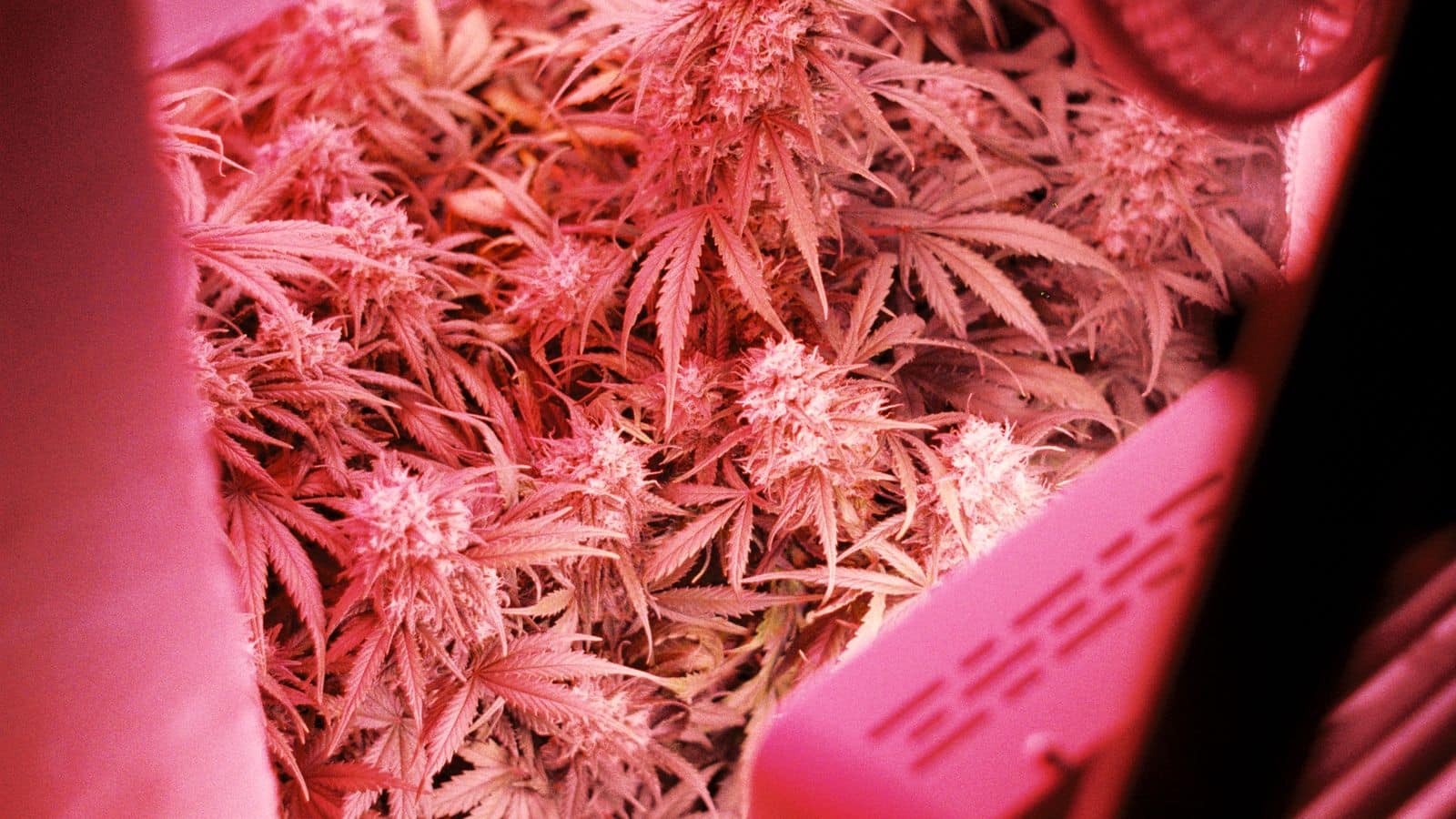
- Moisture and mold. Growing plants release humidity constantly. In an enclosed closet or tent without proper ventilation, that moisture settles into drywall, baseboards, and carpet, feeding mold that can spread behind walls before anyone sees it.
- Electrical overload. Grow lamps, fans, and dehumidifiers draw heavy continuous power. Tenants often run them through daisy-chained power strips and extension cords, a genuine fire hazard in older Las Vegas rentals with limited circuit capacity.
- Water damage. Hand watering and hydroponic reservoirs leak. Spills on a bedroom floor over months can rot subflooring and stain ceilings in the unit below.
- Odor saturation. Cannabis odor absorbs into carpet, paint, and HVAC ductwork. Clearing it between tenants can mean repainting, replacing flooring, and cleaning the entire duct system.
- Modifications and holes. Vents cut through walls, blacked-out windows, and anchored equipment leave you with repairs at turnover.
Persistent moisture and mold can also cross into habitability territory, which creates a repair obligation on your side even though the tenant caused the problem. If you are unsure where that line falls, our explainer on what counts as a habitability issue and how long you have to fix it lays out the timelines that apply.
How Should You Handle a Tenant Who Is Already Growing
Finding plants during an inspection is stressful, but the response should be methodical rather than reactive. Move in this order.
- Document everything. Photograph the setup, the plant count, any modifications, and any visible damage. Note the date and keep the records. This protects you whether the matter ends in a cure notice or a deposit dispute.
- Check your lease. Confirm the cultivation prohibition and the material-breach language are present. That clause is your cleanest path to enforcement.
- Serve the correct notice. Nevada has specific notice types and timelines for lease violations, and using the wrong one restarts the clock. Do not attempt any form of self-help, and never change locks or remove property to force the issue.
- Address the damage separately. Cultivation-related damage beyond normal wear is a deposit and repair question, handled under Nevada’s deposit rules once the tenancy resolves.
Because notice mechanics and deposit deductions carry real legal risk if done incorrectly, many owners route this exact situation through a property manager who serves these notices every week and knows how Nevada notices and remedies connect.
Questions Las Vegas Landlords Ask About Tenant Cannabis Cultivation
Can a tenant grow if they have a medical cannabis card
A medical cardholder has somewhat different possession considerations, but cultivation still runs into the same barriers. The location rules, the household plant ceiling, and the need for the property owner’s permission continue to apply. A medical card does not override your right to prohibit growing on your property.
Does my lease clause survive if the tenant claims Nevada legalized it
Yes. Legalization of adult use does not strip an owner of the authority to restrict cannabis activity on private property. That authority is written directly into Nevada statute, so a properly drafted lease clause remains enforceable even though recreational cannabis itself is legal.
What if the plants are just for personal use and not for sale
Personal use versus sale does not change your position as the landlord. The prohibition you place in the lease applies to cultivation regardless of purpose, and the state’s location and permission requirements apply to personal grows just as they do to any other.
Can I refuse to rent to someone because they use cannabis
Cannabis use is not a protected class, but screening decisions should be applied consistently and lawfully across every applicant. The cleaner and safer approach is to control conduct on the property through your lease terms rather than trying to screen for lawful off-premises use.
Is a grow setup covered by my landlord insurance
Coverage varies by carrier, and many policies exclude damage tied to unlawful activity or unauthorized alterations. Do not assume a grow-related loss is covered. A prohibition in the lease is far more reliable protection than hoping a claim gets paid.
Protecting Your Rental and Your Peace of Mind
The short version for Las Vegas owners is reassuring. Between the 25-mile rule that covers nearly the entire valley and NRS 678D.500 giving you the explicit right to prohibit cultivation, you hold the stronger hand. The work is in getting it in writing and enforcing it correctly, because a good clause is only as good as the notice and documentation behind it.
If you would rather not track cannabis statutes, draft airtight lease language, and handle a cultivation situation on your own, our local property management team can carry that load for you. We keep leases current with Nevada law, inspect on a schedule that catches problems early, and respond to violations the right way the first time. Reach out to the IRES property management team to request a consultation and talk through how we protect Las Vegas rentals like yours.
For the full scope of how we manage Las Vegas rentals end to end, see our property management services.
Need Help Managing Your Las Vegas Rental?
IRES takes the stress out of property management. Whether it’s tenant screening, lease enforcement, rent collection, or just getting your time back, we’ve got you covered.
Call us: 702-478-2242
Email: brandy@iresvegas.com
Or visit our Contact page
This article provides general information about Nevada landlord-tenant law and federal fair housing requirements and should not be considered legal advice. For specific legal questions, consult a licensed Nevada attorney.