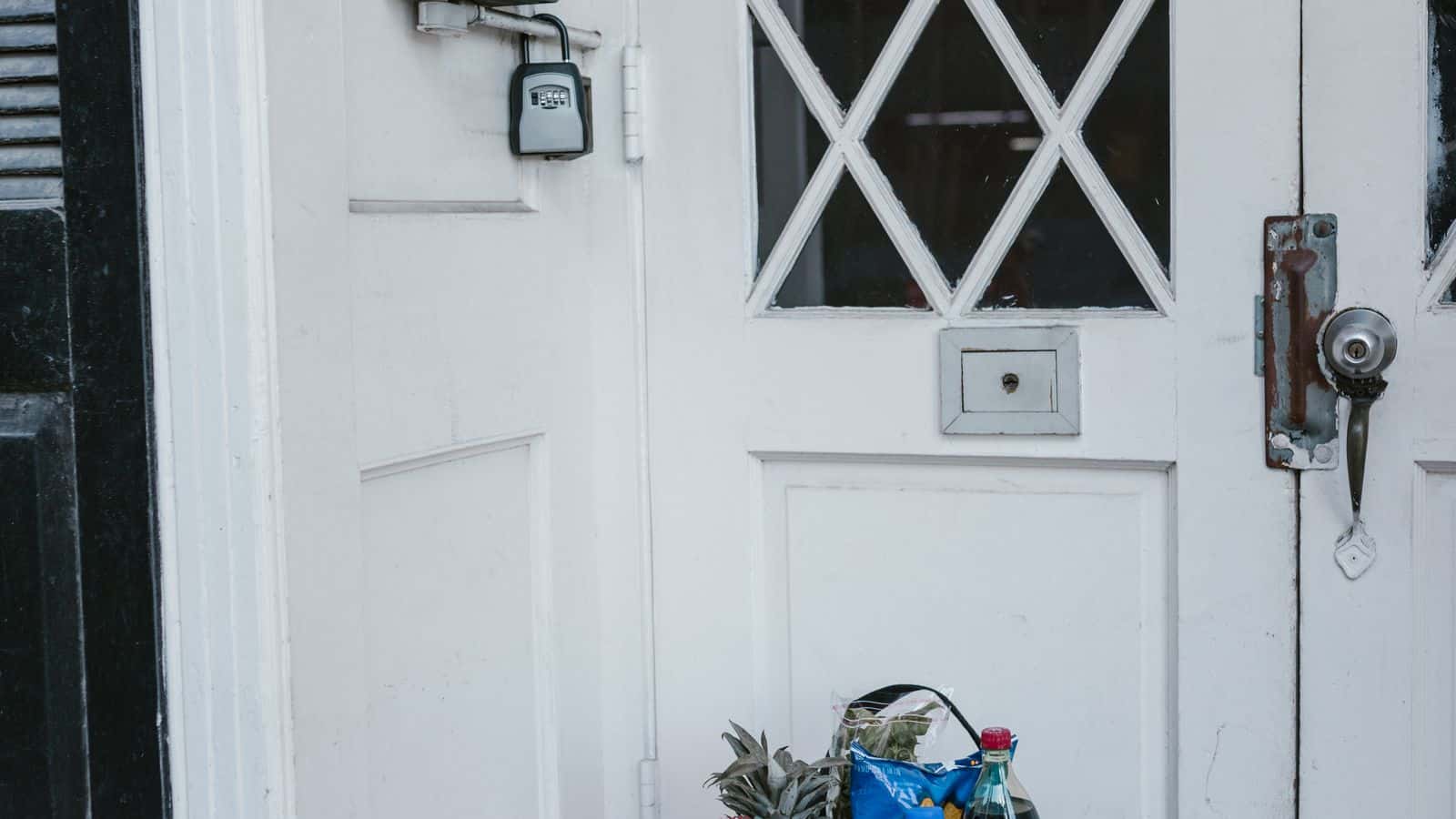
Your tenant’s family has not heard from them in days, and now they are calling your property manager asking someone to check the house. You want to help, and you also know you cannot just walk into a tenant’s home. A welfare check on a tenant is one of the few times a landlord’s right of entry, a police response and a family’s worry all meet at the same front door.
The short answer is that your manager can help, but should not do it alone and should not lead it. The usual pattern is that police perform the welfare check and your manager provides access. This guide covers what Nevada law allows, who to call, what to verify first, how entry should happen and what comes after.
Can your property manager do a welfare check on a tenant the family cannot reach?
A worried phone call alone does not give anyone a right to enter. The tenant has a right to privacy in their home, and the family member calling is usually not on the lease. Your manager also cannot confirm who the caller really is over the phone.
At the same time, a tenant who has stopped answering may be ill, injured or worse. Waiting too long carries its own risk. Nevada law gives landlords a narrow path for situations like this, and the safest way to use it is with police involved from the start.
Think of your manager’s role as three things. They verify the request, they contact the tenant through every channel on file, and they bring the key when police decide to go in. They do not make the medical call, and they do not go through the door first.
What does Nevada law say about emergency entry?
Nevada’s landlord and tenant entry rules are in NRS 118A.330. Subsection 2 says the landlord may enter the dwelling unit without the tenant’s consent in case of emergency. Subsection 3 says the landlord must not abuse the right of access or use it to harass the tenant. Outside an emergency, it requires at least 24 hours’ notice of intent to enter, during normal business hours unless the tenant agrees otherwise.
You can read the full text of NRS 118A.330 on the Nevada Legislature’s website. Subsection 4 adds that a landlord has no other right of access except by court order, when the tenant has abandoned or surrendered the premises, or as NRS 118A.440 permits.
The statute does not define “emergency.” That is why the decision is better left to police on scene, not by your manager on the phone. A credible report that someone may be hurt inside is the kind of situation officers are trained to assess. If you want a broader look at entry rules for routine visits, our guide to when a landlord can enter your Las Vegas rental covers notice, timing and tenant consent.
Why should the police do the welfare check?
Police officers are trained for what might be behind the door. Your property manager is not. The tenant could be unconscious and need medical help. There could be a person inside who does not expect visitors. In the worst case, the tenant may have died, and the home becomes a scene that should not be disturbed.
Police involvement also protects you. If officers decide entry is warranted, the record shows an independent party judged it an emergency. If they decide it is not, your manager has a clear reason not to enter, and the family has an answer from someone with authority.
If the family reports signs of a medical emergency, such as a fall, threats of self-harm or a strong odor from the unit, the right call is 911. For a general concern with no immediate danger, the family or your manager can call the non-emergency line for the police department that covers the address. In the valley, that may be the Las Vegas Metropolitan Police Department, Henderson Police or North Las Vegas Police.
Encourage the family to make the call themselves when they can. They know the tenant’s health history, recent behavior and who else might know where the tenant is. Your manager can then confirm to police that they have a key and can meet officers at the property.
Sometimes officers check the outside, knock and decide there is no basis to go in. That is an answer too. Your manager should write down what the officers said and tell the family. If the concern grows over the next day or two, with more missed contact or new signs at the door, the family or your manager can ask for a second check. Do not treat a declined entry as permission to go in later on your own.
What should the manager check before anyone goes in?
Before anyone opens a door, your manager should do quick, careful homework. Plenty of unreachable tenants turn out to be traveling, in the hospital, staying with a partner or simply ignoring their phone. A few simple checks can settle the question without entry.
- Call, text and email the tenant using every number and address in the file.
- Check the tenant ledger for recent payments and the maintenance system for recent requests.
- Look at the emergency contact on the lease file and compare it with the person calling.
- Drive by, if practical, and note the car, mail, packages, lights and any sounds or smells.
- Knock and announce, then leave a dated note asking the tenant to call.
- Ask the HOA or a neighbor, without sharing details, whether they have seen the tenant recently.
Your manager should be careful about what they share with the caller. Confirming that a person lives at your property, or giving out their phone number or workplace, can create problems if the caller is not who they say they are. A good rule is to take information from the family and share very little back until police are involved.
Why does the emergency contact form matter so much?
A simple safeguard for this situation is collected at lease signing. An emergency contact form asks each adult tenant to name one or two people the manager can call if the tenant cannot be reached. It also asks the tenant to state whether those people may be told the tenant’s status in an emergency.
That form changes everything about the call. If the person calling is the named contact, your manager knows the tenant chose them. If the caller is not on the form, your manager can call the named contact to check whether they share the concern. Either way, the conversation starts with the tenant’s own written wishes. Collecting and updating this form is routine work in managing Las Vegas rental homes, and it costs the owner nothing but a signature line in the lease packet.
If your current leases do not include this form, add it at the next renewal. It takes a minute to fill out. It can save hours of uncertainty on the day it matters, and it gives your manager a clear basis for every decision that follows.
How should entry happen?
If police decide to enter, your manager’s job is to make access easy and stay out of the way. Never enter alone, and never send a vendor or handyman to “just take a look.” Officers should go in first. Your manager should wait outside unless officers ask otherwise.
Here is the sequence a careful manager follows:
- Meet officers at the property with a working key, garage remote or lockbox code.
- Share what you know: the last payment, the last contact, the vehicle and the emergency contact.
- Unlock the door when officers ask, then step back.
- Do not touch, move or remove anything inside the home.
- Ask the officers for an incident or report number before they leave.
- Re-secure the home, and change the locks only on police instruction or once the tenant is safe and has agreed.
If the tenant is found safe, apologize for the disruption and explain what prompted the visit. Leave a written notice of entry that states the date, time, who entered and why. That notice keeps the record clean and shows the entry was not used to harass anyone.
What should be documented?
Write everything down as it happens, not later from memory. A short, dated timeline protects you, your manager and the tenant. It should include:
- Who called, when, their relationship to the tenant and what they reported.
- Every attempt to reach the tenant, with times and channels used.
- The call to police, the time officers arrived and the report number.
- Who entered, when, and what officers said they found.
- The time the home was re-secured and the notice left for the tenant.
- Every message sent to the owner and to the family afterward.
Keep the record in the tenant file. If questions come up later, the timeline answers them without anyone having to guess.
What happens next if the tenant is in the hospital or has died?
Sometimes the welfare check finds the tenant in need of care and they are taken to a hospital. In that case the lease continues. Rent is still due, but a little flexibility and a clear call with the tenant or their emergency contact often goes a long way. Your manager should ask how to reach the tenant, whether anyone needs access to feed a pet or collect items, and get the tenant’s written permission before letting anyone else in.
If the tenant has died, the situation shifts to a different set of steps. Police or the coroner handle the immediate scene. After that, the home and the belongings inside it are handled through the tenant’s estate, not by whichever relative arrives first. Our guide on what a Nevada landlord should do when a tenant dies mid-lease walks through securing the home, working with the personal representative and ending the lease properly.
In both cases, the owner should get a prompt, factual update from the manager. Keep it short and private. A welfare check is a difficult day for a family, and the less the details travel, the better.
How is this different from abandonment?
An unresponsive tenant is not the same as a tenant who has left. Abandonment means the tenant has moved out and given up the home, usually with signs like an emptied unit, unpaid rent and no contact. A welfare concern means the tenant may still live there and may be inside.
The distinction matters because the rules are different. NRS 118A.330(4) gives a landlord a right of access when the tenant has abandoned or surrendered the premises. A tenant who simply has not answered the phone for three days has not abandoned anything. Treating silence as abandonment, and then changing locks or removing property, can turn a worried family call into a legal problem.
If the welfare check finds an empty home and the signs point toward the tenant leaving, the next steps follow a separate process. Our guide on what to do when a tenant abandons a Las Vegas rental explains how to confirm abandonment and handle what was left behind.
What should owners ask their manager to have in place?
As an owner, you probably will not be the one standing at the door. You can still make sure your manager is ready before a family ever calls. Ask your manager to confirm these items in writing:
- An emergency contact form for every adult tenant, collected at signing and updated at renewal.
- A written welfare check procedure that says police lead and the manager provides access.
- Current keys, remotes and codes for the property, stored securely and logged.
- A template notice of emergency entry to leave for the tenant afterward.
- A same-day update to you whenever a welfare concern is raised, whatever the outcome.
Many welfare calls end with a tenant who was traveling or had a dead phone. The few that do not are why the procedure exists. To see how our team handles tenant emergencies, entry rules and owner updates, visit our Las Vegas property management page or call 702-478-2242.