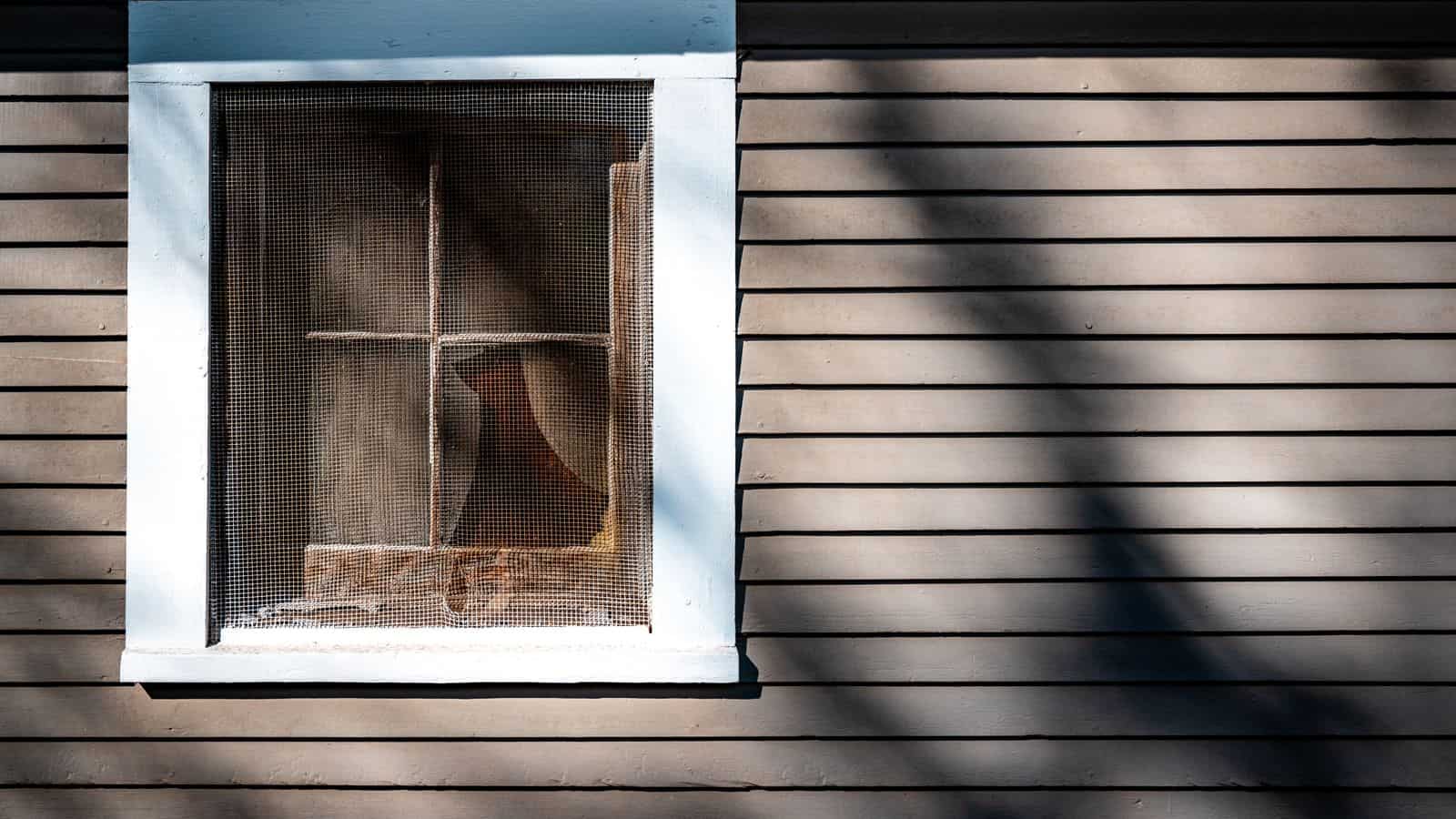
Window screens are the item that shows up on more move-out statements than almost anything else in a Las Vegas rental, and they are also the item tenants push back on hardest. A torn screen is obvious and cheap to photograph, and the desert sun does terrible things to fiberglass mesh, so by year three of a tenancy a screen that was fine at move-in can be brittle, sagging, and split along the bottom edge without anyone having touched it. The window screen repair cost Las Vegas rental owners try to pass to a departing tenant is only recoverable when the damage is genuinely tenant caused, and the age and condition of the screen is what decides that.
The same test applies to the windows themselves. A cracked pane from a thrown toy or a forced entry is tenant damage. A double pane window that has fogged between the glass, a spring balance that no longer holds the sash up, or a seal that has dried out after fifteen summers is the building aging. Owners who charge for aging lose the deposit dispute, and owners who eat genuine damage leave money on the table.
This guide gives you a practical way to sort window and screen problems into the two buckets, explains how to reduce what you can charge to the fair remaining value rather than a full replacement, and shows how a manager documents this so the deduction holds up.
Why Screens Fail in the Desert Without Anyone Touching Them
Most residential screens are fiberglass mesh in an aluminum frame, held in with a rubber spline. Ultraviolet exposure degrades fiberglass, and Las Vegas delivers more of it than almost any city in the country. A south or west facing screen on a house in Henderson or the southwest valley gets cooked every afternoon. Over a few years the mesh loses flexibility, the spline shrinks and pulls out of the channel, and the mesh tears along the frame edge with no force applied at all. Frames also warp when the sash is opened against them repeatedly in summer heat.
That means screen condition has a predictable life cycle. A screen that is three or four summers old on a sun facing elevation is at the end of its useful life regardless of who lived in the house. A screen that is brand new and comes back with a fist sized hole, a bent frame, or is simply missing is a different story.
The Age and Condition Test
Before you write any screen or window line on a deposit statement, ask four questions.
- How old was the item at move-in? Your move-in inspection photos and your repair log answer this.
- What does the failure look like? Sun brittle mesh splits along the edge and crumbles when pinched. Damage from a pet, a child, or a break-in leaves a clean tear, a puncture, or a bent frame.
- Which elevation was it on? A screen on a north facing bedroom window lasts far longer than the same screen over the west facing kitchen sink.
- Was it there at all? A missing screen is the easiest charge to defend when the move-in checklist shows one present, and impossible to defend when it does not.
Our broader guide to normal wear and tear versus tenant damage in Nevada sets out the general principle. This article is about how that principle applies to one specific, frequently disputed item.
Sorting Window Problems Into Wear and Damage
Windows have more moving parts than people expect, and each part ages on its own schedule.
Usually Wear and Tear
- Fogging or moisture between the panes of a double glazed unit. This is seal failure, it happens with age and heat cycling, and no tenant behavior causes it.
- Sashes that drift down or will not stay open. The spring balances or block and tackle mechanisms wear out.
- Latches that have loosened or stripped from normal use.
- Weatherstripping that has flattened or cracked.
- Sun damaged screens on any elevation after several years.
- Hard water spotting on exterior glass from irrigation overspray, which is an owner’s sprinkler problem.
Usually Tenant Caused
- Cracked or broken glass with an impact point, unless the cause was a storm or a rock from a passing mower on the owner’s landscaper’s watch.
- Screens with punctures, claw marks, or cut outs where a cable or a cooler hose was run through them.
- Bent or missing screen frames, especially on ground floor windows used as an entry.
- Locks or latches broken by force.
- Paint, stickers, or window film applied to the glass and not removed.
- Blinds or window coverings broken beyond ordinary slat wear.
The middle ground is a screen or window that was already old and then got damaged. A ten year old screen with a puncture was going to be replaced soon anyway, and charging a tenant the full price of a new screen for an item that had almost no remaining life is exactly the kind of deduction that gets reversed in small claims court. The fair approach is to charge the portion of the replacement cost that reflects the life the tenant took away, which is often a small fraction.
What Screen and Window Repairs Actually Involve
Owners often over estimate window costs and under estimate screen costs, so it helps to know what the work is.
Re-screening an existing frame is a quick job. A hardware store or a mobile screen service replaces the mesh and spline and hands the frame back, and the price is a modest flat amount per screen that scales with size. Replacing a frame that is bent costs more because the frame is custom cut, but it is still a small line item. Where the number climbs is a full set of screens on a large two story house, which is why documenting each screen individually matters.
Window glass is a different category. Replacing a single pane in an older aluminum frame is a moderate repair. Replacing an insulated glass unit in a modern vinyl window means ordering a sealed unit to size and waiting for it, and the cost is meaningfully higher. Replacing an entire window with frame is a capital improvement. When a tenant breaks one pane, the tenant owes the pane, not a new window.
There is also an energy angle that argues for keeping windows in good repair between tenants regardless of who caused what. The federal ENERGY STAR program notes in its guidance on sealing and insulating a home that simple fixes such as weatherstripping doors and caulking around windows are among the most cost effective improvements, and that sealing air leaks can produce a noticeable saving on annual energy bills. In a Las Vegas rental where the tenant pays the power bill, a well sealed window is a leasing feature, and a leaky one is a summer complaint waiting to happen.
Turning the Test Into a Defensible Deduction
A screen charge that survives a tenant challenge has three things behind it. A move-in photo showing the screen intact, a move-out photo showing the damage, and a receipt or invoice for the actual repair. Without the first photo you are relying on the tenant’s honesty, and without the third you are guessing at the amount. Our guide on move-in and move-out inspections for Las Vegas rentals explains how to build that record, and it is worth including a close photo of every screen, because a wide shot of a window rarely shows a small tear.
Nevada’s deposit rules require an itemized accounting of any deductions within the statutory period after move-out, and screens and windows should appear on that statement as separate lines with the reason for each. Lumping a dozen screens into one “window repairs” figure invites a challenge. Listing “west bedroom screen, puncture, re-screen” with a photo reference is the kind of entry that ends the argument.
A Quick Checklist for the Move-Out Walk
- Count the screens against the move-in inventory and note any missing.
- Pinch the mesh at the edge on each screen. If it crumbles, it is sun aged, not damaged.
- Photograph each tear, hole, or bent frame up close with the room name in the file name.
- Check each sash for staying open and each latch for working. Note failures as maintenance, not charges, unless force is obvious.
- Look for impact points on any cracked glass and photograph both sides.
- Check for film, stickers, or residue on the glass.
- Note the age of the screens on the elevation in question from your records before deciding on a charge.
Where Owners Get This Wrong
The two most common mistakes run in opposite directions. The first is charging a full replacement for every worn screen at every move-out, which turns the deposit statement into a maintenance budget and eventually costs the owner a small claims judgment plus their own time. The second is being so wary of deposit disputes that the owner never charges for anything, and replaces screens that were clearly cut or torn out of pocket, tenancy after tenancy.
The middle path is to treat screens and windows like every other component with a life span. A tenant owes the damage they caused, reduced to reflect the age of the item, and documented well enough that a judge would agree. The window screen repair cost Las Vegas rental owners recover this way is smaller per incident but it holds, and it does not poison the relationship with a tenant who might otherwise renew.
How IRES Handles Screens and Windows at Turnover
On a managed property this decision does not rest on an owner’s memory. IRES inspections at move-in, mid-lease, and move-out include photo documentation of every room and its windows, and when a repair looks tenant caused we follow the process described in our piece on how a manager decides a repair is tenant caused before billing it. Repairs run through licensed, vetted vendors from our maintenance network, so the invoice behind a deduction is real and the price is what the market charges rather than a guess. Aged screens and seal failed windows are scheduled as owner maintenance between tenants, which keeps the home leasable and keeps the deposit statement clean. Owners can read more about the full service on the IRES property management overview.
Nothing here is legal advice, and an owner facing a contested deduction in Nevada should ask a licensed attorney about the specific facts.