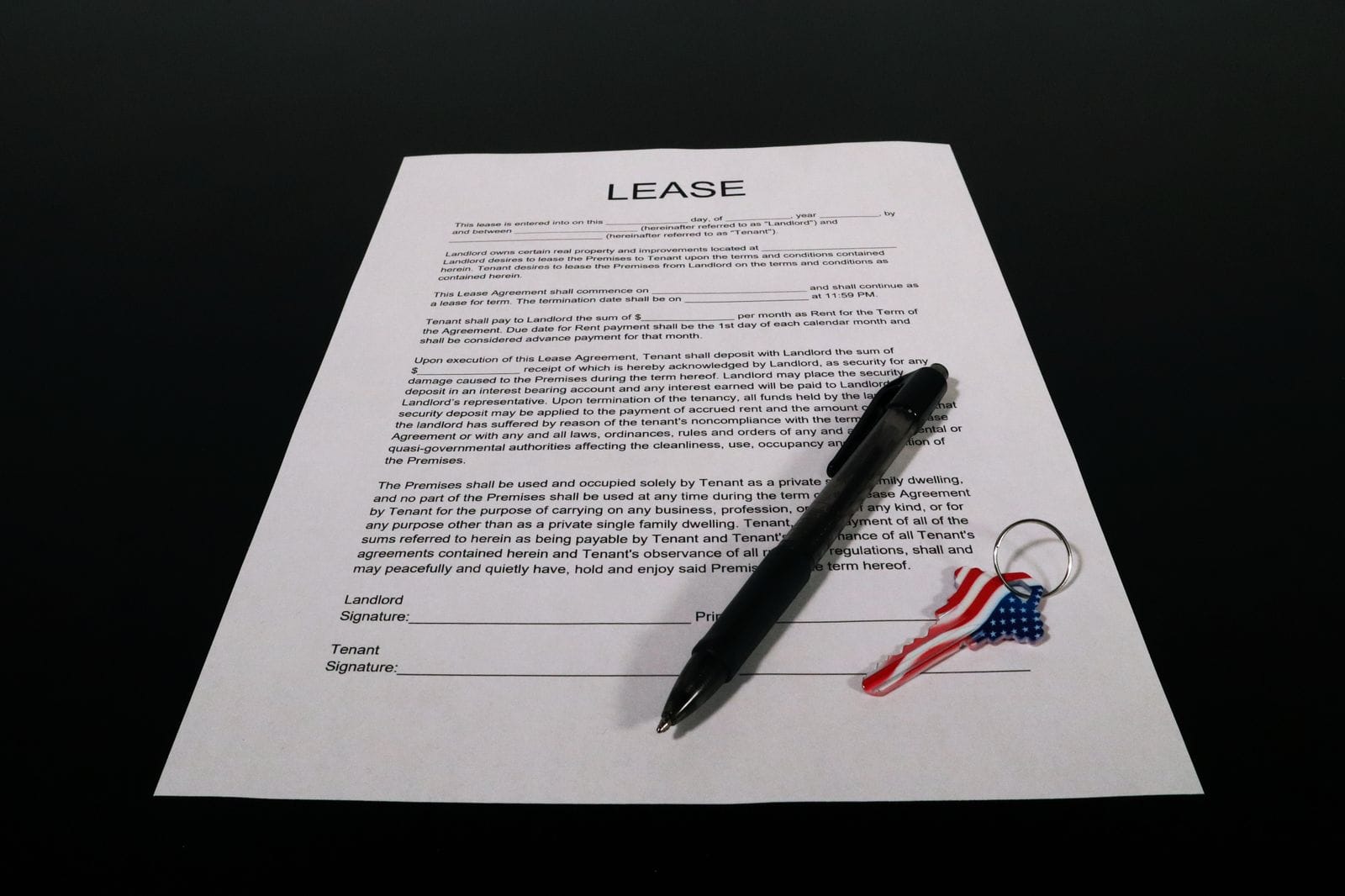
Why a Generic Lease Will Get You into Trouble
It’s tempting to download a generic rental agreement from the internet, make a few edits, and call it done. It’s also one of the most common and costly mistakes Nevada landlords make. Nevada has specific landlord-tenant statutes under NRS Chapter 118A. These statutes govern the rental relationship, and when a lease provision conflicts with state law, the law wins. A generic lease is almost guaranteed to contain language that is unenforceable in Nevada. Missing required disclosures or is simply silent on issues that matter.
The Nevada Legislature – NRS 118A establishes the full framework for residential landlord-tenant relationships in Nevada. This includes tenant rights that you cannot waive or contract around. For example, a clause limiting liability for habitability issues is unenforceable in Nevada. This does not change, regardless of what it says. A clause that waives the tenant’s right to proper notice before entry is unenforceable. If a tenant challenges a problematic lease term in the Nevada Justice Court, judges are apply the statute. Thus, your lease takes a backseat.
Beyond the legal risk, a generic lease won’t account for Las Vegas-specific concerns that are genuinely important. For instance, HOA rules that bind both you and your tenants. Similarly, AC maintenance responsibilities during extreme desert heat. Or monsoon season damage protocols, and water conservation obligations in Clark County. A lease written for rentals in Ohio or Georgia won’t address other states. Our guide to Nevada landlord-tenant laws is the right starting point that covers all of such details.
Essential Elements Every Nevada Lease Must Include
A legally sound Nevada lease starts with the basics, and every single one of these matters. Start with the names of all tenants. This means every adult who will occupy the unit, not just the person who signed the application. If an adult occupant isn’t named on the lease, your ability to hold them accountable is limited. You cannot include them in any legal proceedings.
Include the full property address and a description of what’s included. This involves the unit, any assigned parking spaces, storage areas, etc. You should mention whether appliances are included. Specify the lease start and end dates with precision. In legal matters, vague language like “approximately one year” complicates the renewal or termination. State the monthly rent amount, the due date, any grace period before late fees apply, and the accepted payment methods. If you require payment by check or through an online portal, say so explicitly.
The security deposit section must specify the dollar amount. It should also include what it can be used for and the timeline for return. Legally, Nevada requires 30 days from the end of the tenancy. Include the landlord and tenant maintenance responsibilities in plain language. Also, make sure to identify both an emergency contact number and a routine maintenance request process. Finally, make sure the lease is signed and dated by all named tenants and by the landlord or property manager. An unsigned lease is an unsigned contract, and it’s worth very little if a dispute arises.
Security Deposit Clauses That Protect You
The security deposit is the most frequently contested part of any landlord-tenant relationship. A poorly written deposit clause is the most common reason landlords lose small claims disputes. Landlords often lose these claims. So, protect yourself by being specific from the start.
Your lease should state the exact deposit amount and the conditions under which deductions are permitted. Damage beyond normal wear and tear, professional cleaning required due to tenant negligence (unpaid rent). Similarly, the 30-day return deadline is in Nevada law. Always include a clause to add a forwarding address in writing within a reasonable time. This should be done after moving out. Note that failure to provide a forwarding address does not remove your liability. You still have to return the deposit – you mail it to the last known address, and your timeline still applies.
The most important protective measure is the move-in inspection report. This is a document ideally with photos attached. It records the condition of every room, appliance, fixture, and surface. It is conducted at the start of the tenancy, signed by both you and the tenant. That signed document is your baseline for any future deduction claim. Without it, a tenant can argue that every scratch, stain, and worn surface existed before they moved in, and you’ll have no documented evidence to the contrary. For a full breakdown of what you can and cannot deduct, read our guide on Nevada security deposit laws before your next tenant moves in.
Maintenance and Repair Responsibilities in the Lease
Nevada law requires landlords to maintain rental properties in a habitable condition – that obligation cannot be transferred to the tenant through a lease clause. What you can do is define the tenant’s maintenance responsibilities around the areas of the property that fall within their day-to-day control.
Common tenant maintenance obligations that are enforceable in Nevada leases include: keeping the unit clean and sanitary, disposing of trash properly, maintaining any assigned yard or landscaping in a condition consistent with HOA rules (if applicable), replacing HVAC filters on a monthly schedule, and reporting any maintenance issues promptly in writing. You can also assign responsibility for minor repairs under a certain dollar threshold, though this should be approached carefully and disclosed clearly.
The AC maintenance clause is especially important for Las Vegas rentals. Specify that tenants must change the HVAC filter monthly during summer, report any AC issues immediately, and that failure to report a developing problem or to replace filters as required may result in the tenant bearing partial or full cost responsibility for any resulting preventable damage. This clause, combined with documented filter reminders you send in spring, creates a clear record of your preventive maintenance program. Be explicit about what happens with HOA violations: specify that tenants are responsible for fines resulting from their own behavior, and that repeated HOA violations may constitute a lease violation.
Occupancy Limits, Pet Policy, and House Rules
Vague leases generate disputes when tenants interpret undefined terms in their favor. The solution is to be specific about expectations from day one, so every adult occupant knows exactly what they agreed to.
Start with occupancy limits. The HUD guideline of two persons per bedroom is a common benchmark, but your local HOA rules or the specific layout of your property may warrant a different number. Whatever limit you set, it should be in the lease and applied consistently across all applicants to comply with fair housing law. Include a clause requiring prior written approval for any additional long-term occupants, so a tenant can’t quietly move in a partner or family member without your knowledge.
Your pet policy needs to be unambiguous. If no pets are allowed, say so explicitly and include language about what constitutes unauthorized pet occupancy. If pets are allowed, use a separate pet addendum that covers the deposit or monthly pet rent amount, species and breed restrictions (particularly relevant if your property is in an HOA with its own pet rules), maximum number of animals, and the tenant’s liability for any pet-related damage that exceeds normal wear and tear. House rules around noise curfews, parking assignments, trash day schedules, and guest policies should also be written into the lease or as a signed addendum. These rules reduce friction before it starts because tenants cannot later claim they weren’t aware of the expectations.
Required Nevada Disclosures
Nevada law requires landlords to make specific disclosures at the time of leasing, and failing to provide them can affect your ability to enforce certain lease terms or collect certain fees. Take these seriously – they exist to protect tenants, and courts will hold you accountable for omissions.
You must disclose the name and address of the property owner and, if applicable, the property manager authorized to act on the owner’s behalf. This allows the tenant to direct legal notices and communications to the right party. You must also disclose any known conditions that affect habitability: existing water damage, known pest issues, HVAC systems that are aging but functional, and any nuisances (noise, environmental, or otherwise) that are known to you at the time of leasing.
If your property is subject to HOA rules, you must inform the tenant and either provide a copy of the relevant rules or make them available for review. Some HOAs require the landlord to formally register tenants with the association – check your HOA’s requirements before the lease is signed. Include your direct contact information and a designated emergency contact number in the lease itself, not just on a separate sheet that can be lost. All of these disclosures should be documented as part of the lease packet, with the tenant’s signature confirming receipt.
Lease Termination and Renewal Provisions
What happens at the end of the lease term is one of the most frequently contested areas in Nevada landlord-tenant relationships. It’s almost always because the original lease was silent or vague on the subject. Specify clearly whether the lease automatically converts to a month-to-month tenancy at expiration, terminates automatically, requiring a new lease, or renews for another fixed term.
If your lease converts to month-to-month, Nevada requires at least 30 days’ written notice. The notice can be from either party to terminate the tenancy. For tenants who have occupied the property for more than a year, providing 60 days’ notice as a best practice gives both parties adequate time to make alternative arrangements and reduces the chance of a dispute. Include your rent increase process at renewal: state that you will provide written notice of any rent adjustment at least 30 days before the renewal date, so tenants aren’t blindsided.
For a lease that includes tenant screening standards at renewal (credit check, income verification), document that process and apply it consistently to avoid any appearance of discriminatory enforcement. If you use a standard renewal form, attach it to the original lease as an exhibit so tenants know from day one what renewal looks like. For more on building a complete tenancy framework that works from initial tenant screening in Nevada through lease end, including how to handle late fees along the way, we’ve covered both topics in depth.
When to Have a Real Estate Attorney Review Your Lease
If you own a single rental property and your situation is straightforward, a well-researched Nevada-specific lease template you’ve built yourself or purchased from a reputable source may be sufficient. But if you own multiple properties, manage units in HOA communities with complex rules, have had tenant disputes in the past, or are renting to tenants with specific situations (Section 8 vouchers, commercial-residential hybrid, furnished short-term rentals), having a Nevada real estate attorney review your lease template is a worthwhile investment.
A one-time attorney review typically costs between $200 and $500. It depends on the complexity of your lease and the attorney’s billing rate. That cost can prevent thousands of dollars in legal fees, lost rent, and damages from a single avoidable dispute. Attorneys who specialize in Nevada landlord-tenant law will catch issues you wouldn’t think to look for. These may include provisions that inadvertently waive your rights. Or it may be language that creates ambiguity; courts will resolve against you. In more dire cases, even missing clauses that would have protected you in common dispute scenarios.
Even if you use an attorney to build your initial template, revisit the lease every year or two. This ensures it reflects any changes in Nevada law. Legislative sessions in 2023 and 2025 both produced updates to NRS Chapter 118A. A lease written in 2020 may have provisions that are no longer current. For landlords who want professional lease administration, we can help. Our property management services include lease preparation, execution, and renewal management as part of the standard program.
For the full scope of how we manage Las Vegas rentals end to end, see our property management services.
Need Help Managing Your Las Vegas Rental?
IRES takes the stress out of property management. Whether it’s tenant screening, lease enforcement, rent collection, or just getting your time back, we’ve got you covered.
Call us: 702-478-2242
Email: brandy@iresvegas.com
Or visit our Contact page
This article provides general information about Nevada landlord-tenant law and federal fair housing requirements and should not be considered legal advice. For specific legal questions, consult a licensed Nevada attorney.