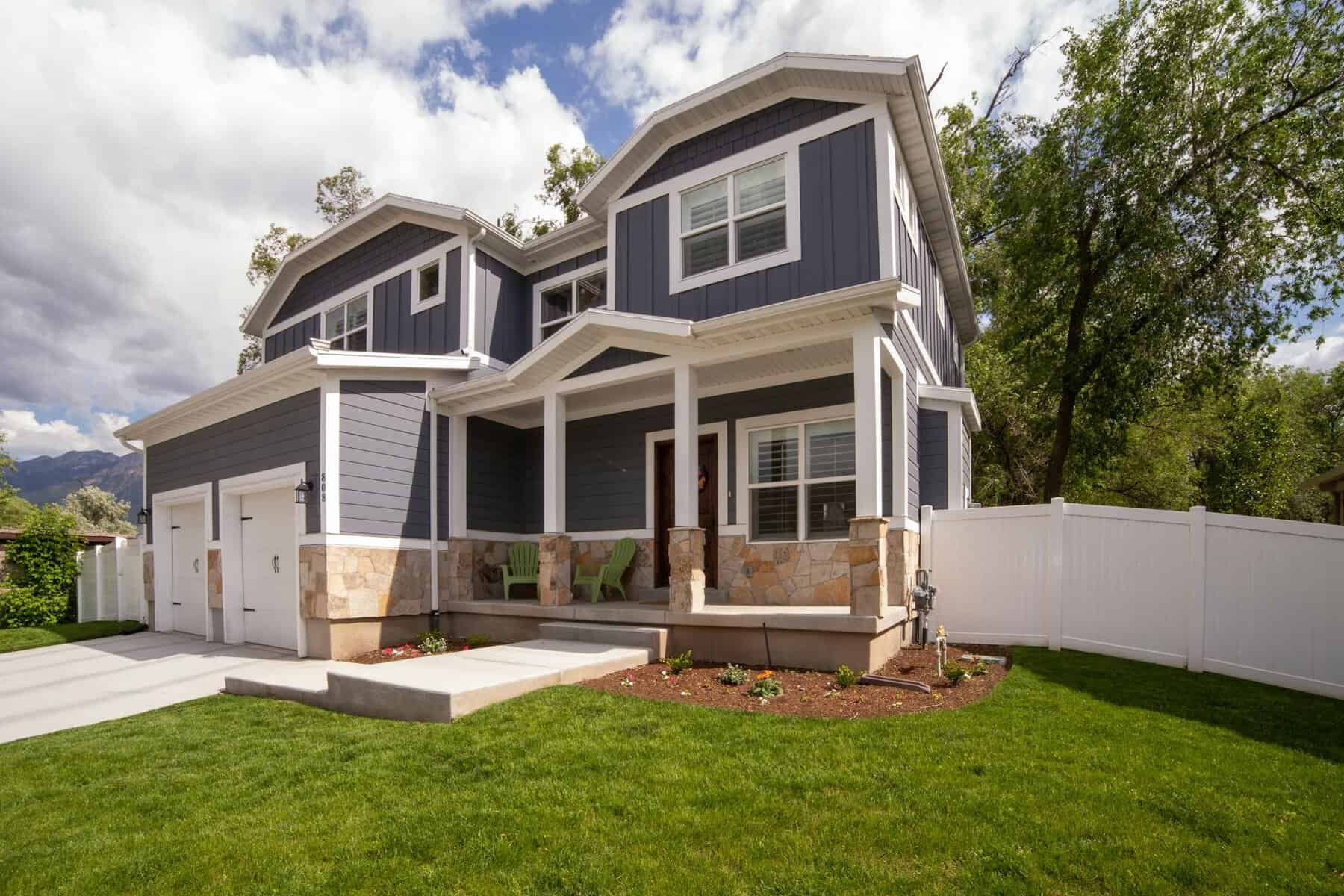
Townhomes occupy a middle position in the Las Vegas rental landscape. The interior management workload mirrors a single-family home, but the exterior and common-element responsibilities shift to the homeowners association in ways that need careful reading of the governing documents. A property manager who treats townhomes interchangeably with detached homes will eventually run into a maintenance bill that should have been routed to the HOA, or a violation notice for landscaping that is not actually the owner’s job. This guide walks through the management decisions that townhome owners specifically face in Clark County.
The Property Line Question
The first practical task on a Las Vegas townhome is identifying where owner responsibility ends and the HOA begins. Roof, exterior walls, party walls between units, front yard landscaping, and the driveway often fall into the association’s maintenance scope. Backyard, patio, interior systems, garage interior, and HVAC almost always sit with the owner. Some Las Vegas townhome projects split exterior paint between the two parties, and a few include exterior pest control. The map of who owns what is in the recorded CC&Rs, not in any agent’s verbal summary.
A property manager should pull the CC&Rs at onboarding, summarize the maintenance split in plain language for the owner file, and reference that summary whenever a repair request comes in.
HOA Dues Affect Net Rent in a Specific Way
Townhome HOA dues in Las Vegas frequently include exterior pest, landscaping, roof reserves, and master insurance. That bundle reduces the owner’s direct repair line items in the budget. The trade-off is a higher monthly fixed cost that comes out of rent before debt service. A manager modeling cash flow should subtract the dues from gross rent in the operating statement, not list them separately as a fixed expense unrelated to the unit, because the dues are doing maintenance work that would otherwise be ad hoc owner expense.
HOA Transfer Fees at Lease Signing
Many Las Vegas townhome associations charge a tenant registration fee, a key fob or gate transponder issue fee, and sometimes a one-time move-in fee at each tenant turnover. These can add up to several hundred dollars per turnover. A property manager should disclose these costs in advance, build them into the leasing budget, and decide with the owner whether the fees are absorbed, passed to the tenant where permitted, or split.
Nevada landlord-tenant law does not prohibit passing through reasonable association move-in fees in the lease, but the disclosure has to be clear before signing.
Rental Caps and Waitlists in Townhome Projects
A subset of Las Vegas townhome HOAs have adopted rental caps similar to condo projects, often in the 20 to 35 percent range. A manager evaluating your unit should check current cap status and waitlist position before quoting expected rent because a 60-day or longer waitlist materially affects your stabilization timeline. The check is a phone call to the HOA management company. Skipping it is a common rookie mistake.
Parking and Guest Rules Matter More Than Owners Expect
Townhome parking in Las Vegas is often limited to a single garage plus one or two assigned spaces, with strict guest quotas and overnight street parking bans. A tenant with three vehicles in a unit zoned for two parking spaces will generate friction with neighbors and a stack of violation letters within weeks. Screening for vehicle count and visitor patterns belongs in the tenant selection conversation. A manager who skips it inherits the violations.
Architectural Review for Tenant Requests
If a tenant wants to install a satellite dish, security camera, or screen door, the request often needs HOA architectural review approval. The owner remains responsible for compliance even when the tenant installs without permission, because the HOA bills the property, not the resident. A property manager standing between the tenant and the architectural committee filters requests, files the paperwork, and reverses unapproved installations before fines stack up. This is a quiet ongoing workload that adds up across a portfolio.
Insurance Setup for Townhomes
Townhome insurance setup depends on whether your HOA master policy is structured as all-in (covering interior walls inward) or bare-walls (covering exterior only). All-in projects let owners carry a slimmer HO-6 walls-in policy. Bare-walls projects need a full landlord policy similar to a detached home. Your manager should confirm the master policy structure and recommend the right unit-level coverage rather than assuming.
Master deductibles in Las Vegas have climbed across many associations. A water loss originating in the unit above yours can land a five-figure deductible at your doorstep if your HO-6 is not sized for it. The Consumer Financial Protection Bureau publishes a plain-language overview of how HOA structures and dues work that is useful reading for new townhome owners.
Maintenance Routing Discipline
A core function of townhome management is correctly routing each maintenance request. A roof leak goes to the HOA. An interior plumbing leak under the kitchen sink goes to the owner’s plumber. An exterior fence damaged by a neighbor’s tree dispute goes to the HOA. The cost of getting routing wrong is either a duplicate bill the HOA refuses to reimburse, or a tenant emergency that festered while the wrong contractor was contacted. Experienced managers build routing rules into their work-order intake.
What to Ask a Townhome PM
Before signing a management agreement, ask the operator how many townhome units they currently manage and across how many associations. Ask for their process to read CC&Rs at onboarding. Ask how they distinguish HOA versus owner repair items at intake. Ask about rental cap monitoring and waitlist tracking. Ask how they handle architectural review submissions for tenant requests. Ask their fee schedule for HOA transfer paperwork and violation handling.
Crisp answers with specifics mean the operator runs townhomes well. Vague answers mean you will be paying the tuition of their learning curve.
When Townhomes Make Strong Rentals
Townhomes work well as Las Vegas rentals when the HOA dues are modest, the rental cap headroom is comfortable, the project parking is realistic for a typical tenant household, and the maintenance split is favorable to a hands-off owner. They underperform when dues climb steeply, when rental caps push your unit to a waitlist, or when the parking and storage profile rules out families with multiple vehicles in a market where most households have two cars.
Where townhome maintenance lines get blurry
A townhome sits between a condo and a house, and the maintenance line is exactly where owners get surprised. In many Las Vegas townhome communities the association maintains the roof and the exterior walls while the owner stays responsible for everything from the interior surface inward, including the HVAC, the water heater, and often the private patio. In other communities the owner owns the roof outright. Two townhomes a block apart can split these duties completely differently, so the only reliable answer lives in the governing documents for that specific community.
This matters the moment something breaks. When a tenant reports a roof leak, the manager has to know in seconds whether to call the association or the owner’s roofer, because routing it wrong wastes days while water keeps coming in. Getting that boundary documented up front, rather than discovering it during an emergency, is part of setting a townhome up to be managed well. The clearer ownership picture of a single-family rental makes those calls simpler, while a condo pushes even more of the structure onto the association. A townhome lives in the middle and rewards an owner who has mapped the line in advance.
Landscaping is the other gray zone. Front yards in a townhome community are often association maintained to a common standard, while a private backyard belongs to the owner and tenant to keep up. A lease that does not match the community’s actual division of labor produces either a neglected yard and HOA fines or a tenant doing work the association already pays for. Aligning the lease with the real maintenance map protects both the owner’s budget and the relationship with the association.
Working With IRES for Townhome Management
IRES manages townhomes across Henderson, Summerlin, North Las Vegas, and inner-valley projects. Our onboarding pulls the CC&Rs, maps the maintenance split, confirms cap status, and surfaces any project-level surprises before you sign. Where a townhome is the wrong rental asset for your goals, we will tell you. Where it is a strong asset, we will run it correctly from the first lease.
Where Attached and Detached Townhomes Diverge in Operations
The townhome category in the Las Vegas valley includes both attached and detached configurations, and the operational realities of managing them differ enough that the experience of one does not necessarily transfer to the other. An owner shopping for a townhome rental, or comparing performance across two townhomes that look similar on paper, benefits from understanding where the configurations diverge.
Attached townhomes share at least one wall with a neighboring unit, and the operational implications of that shared wall extend beyond the obvious noise considerations. Maintenance work that affects the wall (plumbing in the shared wall, electrical that runs through it, HVAC ducting that crosses) often requires coordination with the neighbor and sometimes formal HOA approval before the work can proceed. Insurance coverage typically has more specific limits on common-element damage and on damage caused by a shared-wall event, and tenants in attached units often need a more carefully written lease clause on shared-wall responsibilities and quiet-hours expectations than detached unit tenants do.
Detached townhomes (sometimes called ‘townhome-style condos’ or ‘cluster homes’ in Las Vegas marketing) avoid the shared-wall complication but typically come with tighter site footprints and more restrictive HOA governance over the exterior than a comparable single-family rental would carry. The HOA effectively owns the exterior envelope and the landscape, which simplifies some maintenance for the owner (no exterior paint or landscape decisions) but limits the owner’s flexibility to make changes that would improve marketability or rental quality. The cash-flow math also differs because HOA dues on detached townhomes are typically higher than on attached units in compensation for the broader exterior maintenance scope.
The practical operational consequence is that the same management approach does not optimize both. Attached townhome operations benefit from a manager whose strength is tenant-relationship management and shared-living dispute mediation; detached townhome operations benefit from a manager whose strength is HOA coordination and exterior-envelope condition tracking. The owner choosing a manager for either should ask specifically how the firm has handled the configuration in question rather than treating ‘townhome experience’ as a uniform category.
For the full scope of how we manage Las Vegas rentals end to end, see our property management services.
Need Help Managing Your Las Vegas Rental?
IRES takes the stress out of property management. Whether it’s tenant screening, lease enforcement, rent collection, or just getting your time back, we’ve got you covered.
Call us: 702-478-2242
Email: brandy@iresvegas.com
Or visit our Contact page
This article provides general information about Nevada landlord-tenant law and federal fair housing requirements and should not be considered legal advice. For specific legal questions, consult a licensed Nevada attorney.