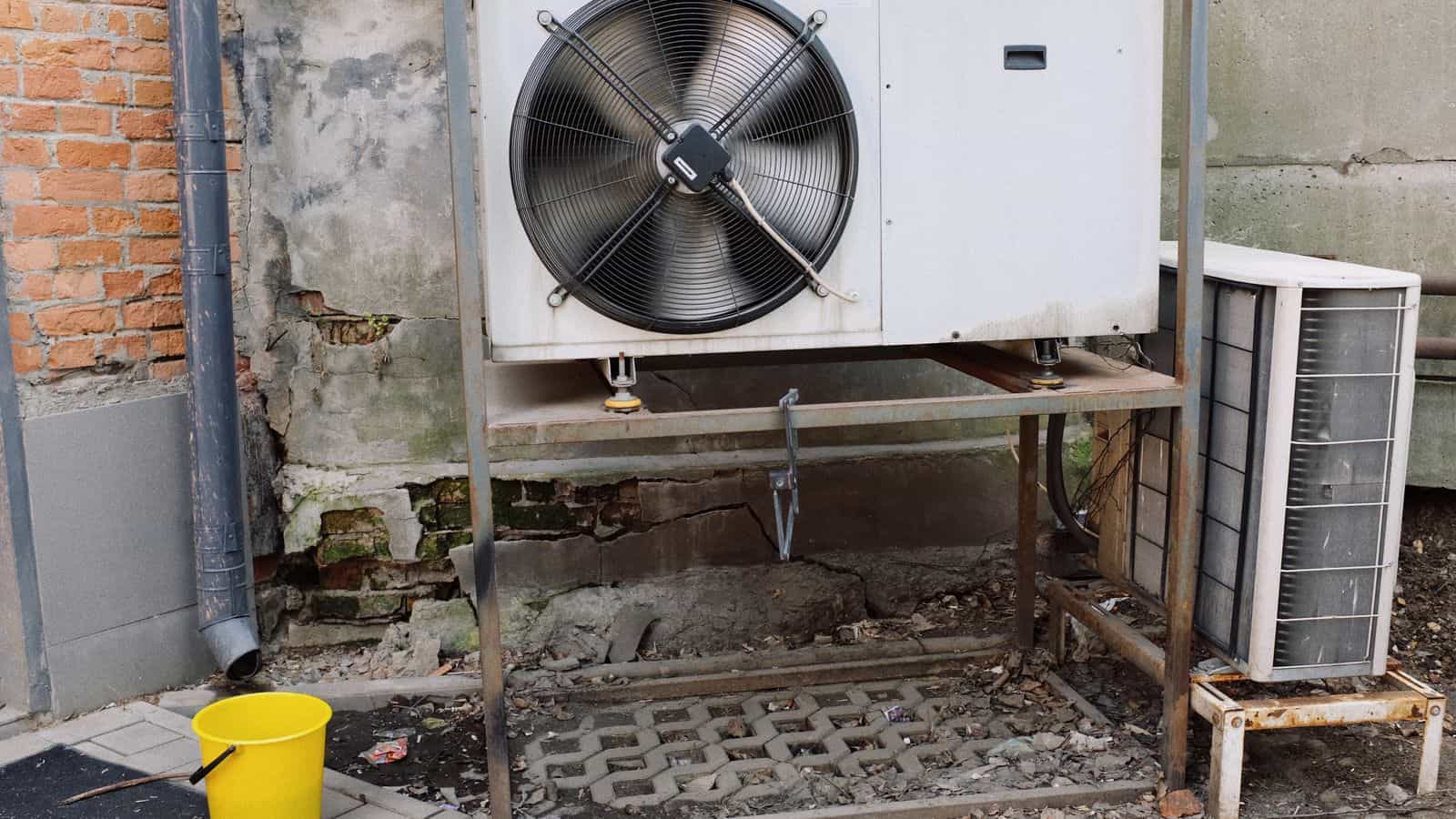
Your first July power bill in Las Vegas is a rite of passage. Renters who moved here from milder climates open the NV Energy app expecting a normal statement and find a number two or three times what they paid in spring. The desert does not negotiate. From June through September, daytime highs regularly sit above 105 degrees, overnight lows sometimes never drop below 85, and your air conditioner runs more hours in one Vegas summer than some systems run in a year elsewhere.
The good news is that summer bills are one of the few parts of renting you can actually control. You cannot change your rent mid-lease and you cannot change the weather, but you can change how your unit uses electricity. This guide walks through what actually moves the needle for renters in Summerlin, Henderson, Spring Valley, North Las Vegas, and everywhere in between, plus what Nevada law says when the cooling you depend on stops working.
Why Summer Bills Spike So Hard in the Valley
Cooling is the story. In a typical Las Vegas apartment or rental home, air conditioning is the single largest electricity draw by a wide margin during summer, and everything else is a rounding error next to it. A system fighting a 40 degree gap between outdoor air and your thermostat setting has to run long cycles, and long cycles are what you pay for.
Building age matters too. A newer apartment in Inspirada or a recently built single family rental in Mountains Edge usually has better insulation, dual pane windows, and a more efficient system than a 1980s unit near the older stretches of Paradise or East Las Vegas. Two renters with identical habits can see very different bills simply because of the envelope around them. You cannot rebuild your rental, but knowing where your unit is weak tells you where the cheap fixes will pay off.
Know Your NV Energy Plan Before July Hits
Most renters never look at how they are billed, and that is money left on the table. NV Energy offers more than one residential rate structure, including time of use options where electricity costs more during peak demand windows on summer afternoons and evenings and less overnight. If you are on a time of use plan, running the dishwasher at 4 pm in August is one of the more expensive habits you can have. If you are on a standard flat rate, timing matters less and total consumption matters more.
Log into your MyAccount dashboard and check two things. First, which rate plan you are on. Second, your usage graphs, which can show consumption by day and in short intervals so you can see exactly when your home is burning through kilowatt hours. NV Energy also maintains a hub of rebates, tools, and efficiency programs on its Save Energy page, and some offerings apply to renters, not just homeowners. Ten minutes of reading there is worth more than any generic national advice.
Thermostat Strategy That Works in 110 Degree Heat
The standard guidance holds up here. Set the thermostat to 78 degrees when you are home and raise it 7 to 10 degrees when you leave for the day, which is the range NV Energy itself suggests. Every degree you raise the setting shaves real running time off the compressor over a billing cycle.
Two Vegas specific caveats. First, do not shut the system off completely while you are at work. Letting an apartment climb to 95 degrees and then asking the AC to claw back 17 degrees at 6 pm produces a brutal recovery cycle, stresses the equipment, and often erases the savings. A setback, not a shutdown, is the move. Second, if your unit has a programmable or smart thermostat, actually program it. A schedule you set once beats willpower every time. If your rental still has an old manual dial, ask your landlord or property manager whether they would approve a basic programmable model. Many will say yes, because thermostat abuse is a leading cause of the mid-July compressor failures they end up paying for.
Get More From the AC You Already Have
You do not own the system, but you control the parts of it that fail most often. Change or wash the return air filter monthly in summer, not quarterly. Vegas dust is relentless, and a clogged filter makes the blower work harder for less cooling. Filters cost a few dollars, and most leases put this small task on the tenant, so check yours.
Keep supply vents open and unblocked, even in rooms you rarely use, because closing too many vents raises duct pressure and hurts efficiency rather than helping it. Make sure furniture, curtains, and rugs are not sitting on top of floor registers. Outside, if your rental has a ground level condenser, keep a couple of feet of clearance around it and gently rinse dust off the coils with a hose when the unit is off. If the outdoor unit is screaming, icing up, or blowing warm air, stop and report it rather than running it into the ground.
Blocking the Sun Is Half the Battle
Solar gain through glass is the silent bill inflator in the desert. A west facing living room window in Spring Valley can act like a space heater from 3 pm until sunset. Close blinds and blackout curtains on south and west exposures before the afternoon, not after the room is already hot. Renters can add tension rod curtains, removable window film, and cellular shades without touching a wall, and all of them come with you when you move.
If your unit has a patio or balcony that bakes, an inexpensive exterior shade sail or patio umbrella positioned against the worst sun angle lowers the heat load on the adjacent glass door. Small, reversible, deposit safe changes are the renter’s toolkit, and shading glass is the highest return item in it.
Small Habits That Cut Kilowatt Hours
Ceiling fans and portable fans cool people, not rooms, so run them when you are in the room and turn them off when you leave. A fan lets most people sit comfortably a few degrees above their usual thermostat setting, which is where the savings come from. Shift heat producing chores to mornings or after dark. The oven, the dryer, and the dishwasher all dump heat into your home that the AC then has to remove, so a 2 pm baking session in August costs you twice.
- Switch remaining incandescent or halogen bulbs to LED, which run cooler and use a fraction of the power.
- Use cold water wash cycles and hang dry what you can indoors, where evaporation adds a little free cooling in dry air.
- Unplug or use smart strips on entertainment centers and gaming setups that draw standby power around the clock.
- Grill outside or lean on the microwave, air fryer, and slow cooker instead of the oven through the hottest weeks.
None of these is dramatic alone. Stacked across a four month cooling season, they are the difference between a bill that stings and a bill that shocks.
What to Check Before You Sign a Lease
The cheapest summer bill is the one you avoid by choosing the right unit. When touring, ask the age of the AC system, whether windows are single or dual pane, and which direction the main glass faces. A top floor apartment with west exposure will always cost more to cool than a shaded ground floor unit in the same complex. Ask the landlord or leasing agent whether they can share typical summer utility costs for the unit, and treat a refusal to estimate as information too. Our first apartment checklist for Las Vegas covers the walkthrough items renters most often forget, and cooling questions belong at the top of that list.
Read the lease itself for utility language. Some leases make tenants responsible for filter changes, some prohibit window units or portable ACs, and some include utility caps or billbacks in multifamily buildings. Knowing what you agreed to prevents disputes later, and our guide on how to read a Las Vegas lease breaks down the clauses worth slowing down for.
When the AC Breaks Know Your Rights
In this climate, a dead air conditioner in July is not an inconvenience, it is a safety issue. Nevada treats it that way. Under NRS 118A.380, when a landlord is required by the rental agreement or by law to supply essential services, and air conditioning is named in that statute alongside heat, running water, and electricity, a willful or negligent failure to do so triggers specific tenant remedies. The process starts with written notice from you specifying the problem, and the landlord then generally has 48 hours, not counting weekends and holidays, to act before further remedies open up.
The practical takeaways for renters are simple. Report AC failures in writing immediately, through the tenant portal or email, not just a phone call, so the clock and the paper trail both exist. Keep copies. Give access for the repair. Do not stop paying rent on your own theory of the situation, because Nevada law channels these disputes through defined steps, and skipping them hurts you. If your landlord simply will not respond, our article on what to do when a Las Vegas landlord will not make repairs walks through the escalation path in detail.
Working With Your Landlord or Property Manager
Well run rentals in Las Vegas get proactive about summer because emergency AC calls in 112 degree heat are miserable and expensive for everyone. Professionally managed properties often schedule spring HVAC tune-ups, and if yours has not had one, a polite request in April or May is reasonable and frequently granted. Mention specifics when you report cooling problems. A note that says the unit runs constantly but cannot get below 82 after 2 pm gives a technician something to diagnose, while a note that says AC is bad does not.
Renters in managed communities can also ask whether the owner would consider upgrades like solar screens, added attic insulation, or a smart thermostat at renewal time. Owners think about these investments in terms of tenant retention, and a good tenant asking to stay is exactly the moment they are most receptive. Owners think hard about summer readiness because it protects their equipment and keeps good tenants renewing, so a specific, well timed request often lands better than you would expect.
Budgeting for Summer Power in Your Rent Picture
Utilities belong in your housing math from day one. A rental that fits your budget at the spring electric bill may not fit it at the August one, and the difference between an efficient unit and an inefficient one can rival a modest rent increase. When comparing units across the valley, from Centennial Hills down to Green Valley, ask about utilities the same way you ask about parking or pet fees. NV Energy offers equal payment style billing that levels your charges across the year, which does not lower the total but does kill the summer spike, and for renters on tight monthly budgets that predictability is worth having.
For a fuller view of what housing genuinely costs here once power, water, sewer, trash, and internet are stacked on top of rent, see our breakdown of the true cost to rent in Las Vegas. Renters who budget the whole number instead of just the rent line are the ones who cruise through September without touching savings.
A Cooler Summer Without the Bill Shock
Surviving a Las Vegas summer on a renter’s budget is not about suffering at 85 degrees indoors. It is about a handful of deliberate choices, knowing your rate plan, running a smart thermostat schedule, starving the sun at your windows, keeping filters clean, and using the legal protections Nevada gives you when equipment fails. Do those things and the desert becomes a place you live comfortably rather than a bill you dread.
If you are searching for a well maintained rental where the AC is serviced before the heat arrives and maintenance requests get answered fast, the team at IRES, Investment Realty and Property Management, manages homes and apartments across the Las Vegas valley and would be glad to help you find one. Reach out through the site, and if you are new to the market, start with our complete guide to renting in Las Vegas to get oriented before your search.