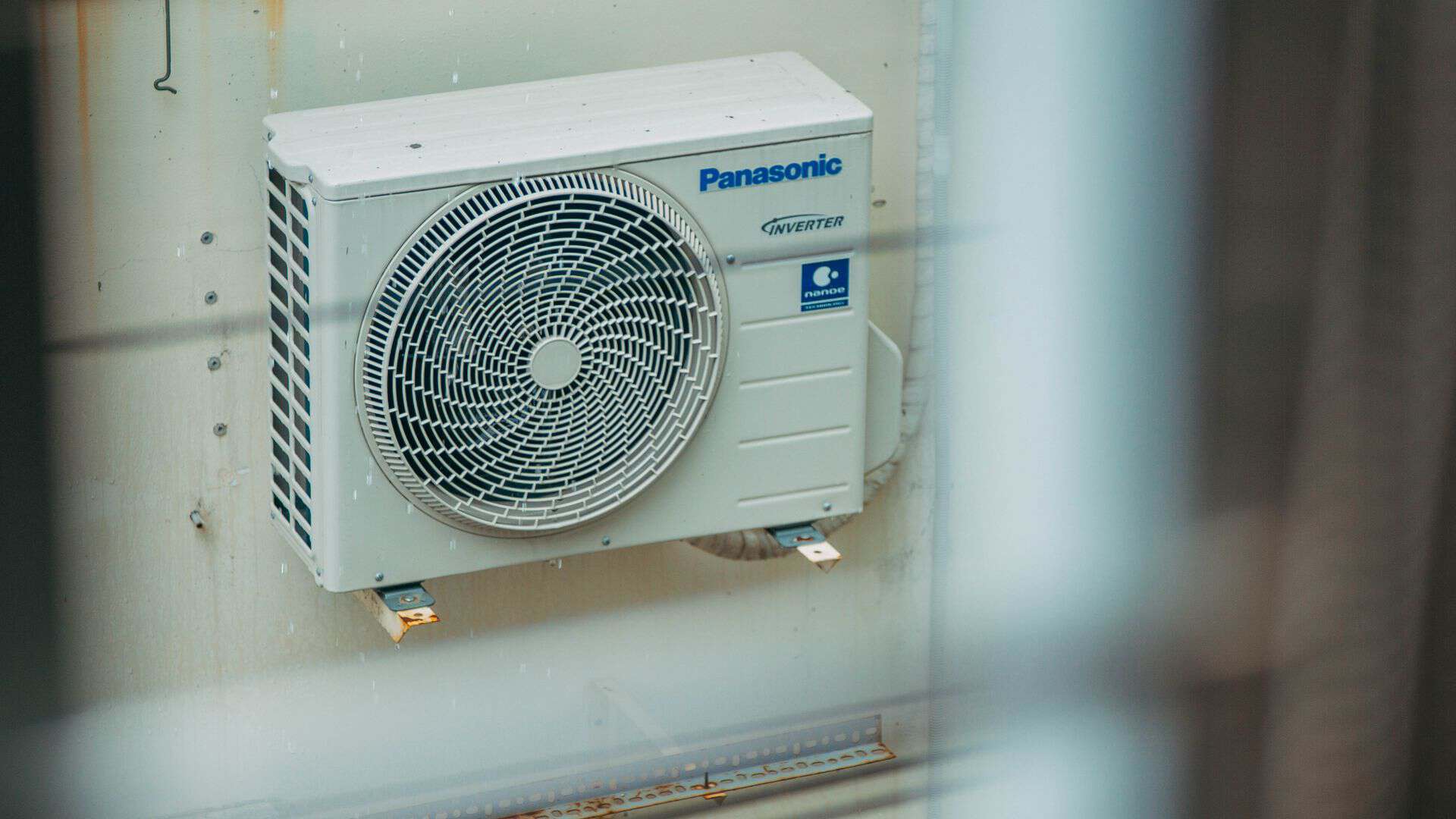
An air conditioner that quits in a Las Vegas July is not an inconvenience. Indoor temperatures in an unshaded valley house can climb past the point where sleeping is impossible and into the range where it becomes genuinely unsafe for kids, older adults, and anyone with a heart or respiratory condition. Every tenant who has lived through it knows the particular panic of watching the thermostat read higher than the number you set it to.
The good news is that Nevada law treats this seriously, and the rules give tenants specific, time-bound options. The bad news is that those options only work when you follow the sequence. Tenants who call, text, and wait usually end up with nothing but a hot house and a weak story. Tenants who give proper written notice and document the timeline usually get the repair, and if they do not, they keep real remedies on the table.
Here is the tenant-side version of what happens when the AC fails in a Las Vegas rental, what the landlord actually owes you, and how to protect yourself while the unit is down.
What Nevada Law Requires When the AC Quits
Nevada’s habitability statute does not force every landlord to install air conditioning. What it does say is that ventilating, air-conditioning and other facilities and appliances must be maintained in good repair if they were supplied by the landlord or are required to be supplied by the landlord. In practical terms, essentially every Las Vegas rental comes with a cooling system, so essentially every Las Vegas landlord is on the hook to keep it working.
There is a second and stronger provision that matters even more in summer. Nevada law addresses a landlord’s failure to supply essential items or services, and the statute names air-conditioning directly alongside heat, running water, hot water, electricity, gas, and a functioning door lock. When the landlord is required to supply one of those and willfully or negligently fails to do so, and the failure makes the dwelling unfit to live in, the tenant gets a specific set of remedies.
The important qualifier is the cause. Tenants have no rights under that section if the condition was caused by the deliberate or negligent act of the tenant, someone in the household, or a guest. A condenser that was never serviced is the landlord’s problem. A system that failed because a tenant removed the filter and ran it for a year is a different conversation. For the mirror image of all this, our post on how long a landlord has to fix a broken AC walks through the same rules from the owner’s side, which is useful context when you are trying to predict what your landlord will do.
Putting Your Notice in Writing
The single most important step is the one tenants skip. The remedies for a failure to supply essential services are triggered by written notice to the landlord specifying the breach. A phone call to a leasing office does not start the clock. A voicemail does not start the clock. Written notice does.
Written means something you can prove later. A maintenance request in the tenant portal with a timestamp works. An email works. A text message can work, though it is weaker than email. Whatever you send, describe the problem in plain terms, state that the unit is not cooling and the indoor temperature it is holding, note anyone in the home with a health vulnerability, and ask for a repair. Keep a copy for yourself.
Then start a log. Note the date and time of the notice, every response, every technician visit, and every promise about timing. Photograph the thermostat showing the set point and the actual indoor temperature, with the date visible if your phone supports it. If you have to buy fans, ice, or a hotel room later, the log and the photos are what turn those receipts into a claim rather than a complaint. The same discipline applies to any unresolved repair, which we cover in our guide on what to do when your Las Vegas landlord will not make repairs.
The Clock That Starts After Notice
Once the landlord receives written notice about an essential service, Nevada law gives 48 hours, excluding Saturday, Sunday, and legal holidays, to adequately remedy the breach or to use best efforts to remedy it. Best efforts is doing real work, meaning a dispatched technician, a diagnosed failure, and a parts order you can verify, not a promise to look into it.
That weekend and holiday carve-out surprises people, and it is worth understanding before you count days. Notice given late on a Friday can leave a landlord with time into the following week under the statute, which is precisely why you should send notice the moment the system fails rather than waiting to see if it recovers overnight.
There is a separate and slower track for habitability failures generally, which runs on a 14-day written notice before the tenant may terminate the rental agreement, recover damages, apply to a court for relief, or withhold rent. Air conditioning in this climate usually belongs on the faster essential-services track, but knowing both exist helps when a landlord tries to tell you that you have to wait two weeks in 110 degree heat. Our overview of what counts as an emergency repair and how fast landlords must respond lays out how these categories differ.
What You Can Do If Nothing Happens
When the landlord does not remedy the failure or use best efforts within that window, the statute gives the tenant several options in addition to any other remedy. You may procure reasonable amounts of the essential item or service during the period of the failure and deduct the actual cost from your rent. You may recover actual damages, including damages based on the loss of use of the premises or the reduction in fair rental value. You may withhold rent, without incurring late fees or other charges, until the landlord has attempted in good faith to restore the service.
You may also procure comparable substitute housing while the failure continues. During that period rent fully abates, and you can recover the cost of the substitute housing to the extent it exceeds the rent that abated. That is the provision behind the hotel-room scenario, and it is the reason receipts matter so much.
Nevada law also contains a narrower repair-and-deduct path for habitability problems where the cost is limited to the greater of $100 or one month’s rent, after 14 days written notice and with an itemized statement, subject to an annual cap. It is a real tool but a slow one for an August AC failure, and it is not a substitute for the essential services route.
Two cautions belong with all of this. Withholding rent is a legally serious step that can put you in an eviction posture if you get the facts or the timing wrong, and courts commonly expect withheld rent to be preserved rather than spent. Before you withhold, call the Legal Aid Center of Southern Nevada or Nevada Legal Services and get advice on your specific facts. This article is general information about the rules, not legal advice for your situation.
Staying Safe While You Wait
Heat is a health emergency before it is a legal one. Clark County activates daytime cooling stations across the valley when the National Weather Service issues an excessive heat warning, using recreation centers, libraries, and community centers, and some locations accept pets in carriers or on a leash. You can find open locations by dialing 2-1-1, and Nevada’s statewide referral service at Nevada 211 also connects residents to utility assistance and housing help by phone, text, and chat.
In the unit itself, small measures buy real degrees. Close blinds and curtains on every window that catches sun, especially west-facing glass in the afternoon. Run ceiling fans and box fans to move air across skin. Avoid the oven and cook outside or not at all. Sleep on the lowest floor of the home, since the upstairs of a two story Las Vegas house can run ten degrees hotter than the ground floor. Drink more water than feels necessary and check on neighbors who live alone.
Watch for heat illness in yourself and anyone in the household, including headache, nausea, dizziness, cramping, and a lack of sweating despite the heat. Confusion or fainting is an emergency and warrants a 911 call rather than another message to the leasing office. If you have a medical condition that makes the outage dangerous, say so in writing to your landlord, since documented vulnerability changes both the urgency and the record.
Two practical items round this out. Check your renters policy, because some policies include additional living expenses coverage that may apply when a home becomes uninhabitable, and the specifics depend entirely on your policy language. Our overview of renters insurance in Las Vegas and what it covers is a good starting point for that call to your agent.
Mistakes That Cost Tenants Their Case
The first mistake is silence in writing. Tenants who only ever called have nothing to show a judge, and landlords who mishandled a repair rarely volunteer the timeline for them. The second is hiring an air conditioning contractor on your own without following the statutory path, which can leave you holding an invoice the landlord is not obligated to pay.
The third mistake is simply stopping rent payments out of frustration without understanding the process, which is the fastest way to turn a repair dispute into an eviction case. The fourth is tampering with the equipment, which can shift the cause of the failure onto the tenant and erase the protections described above.
The last one is treating the outage as isolated. A system that fails every summer is a system nobody has maintained, and that pattern belongs in your written record too. Keeping the whole home efficient helps in the meantime, and our tips on keeping summer power bills down in a Las Vegas rental apply doubly to a house running a strained air conditioner.
If you rent one of our managed homes, a July cooling failure is treated as the emergency it is. And if you own a rental and want it run that way, reach out to the IRES property-management team for a straightforward consultation.