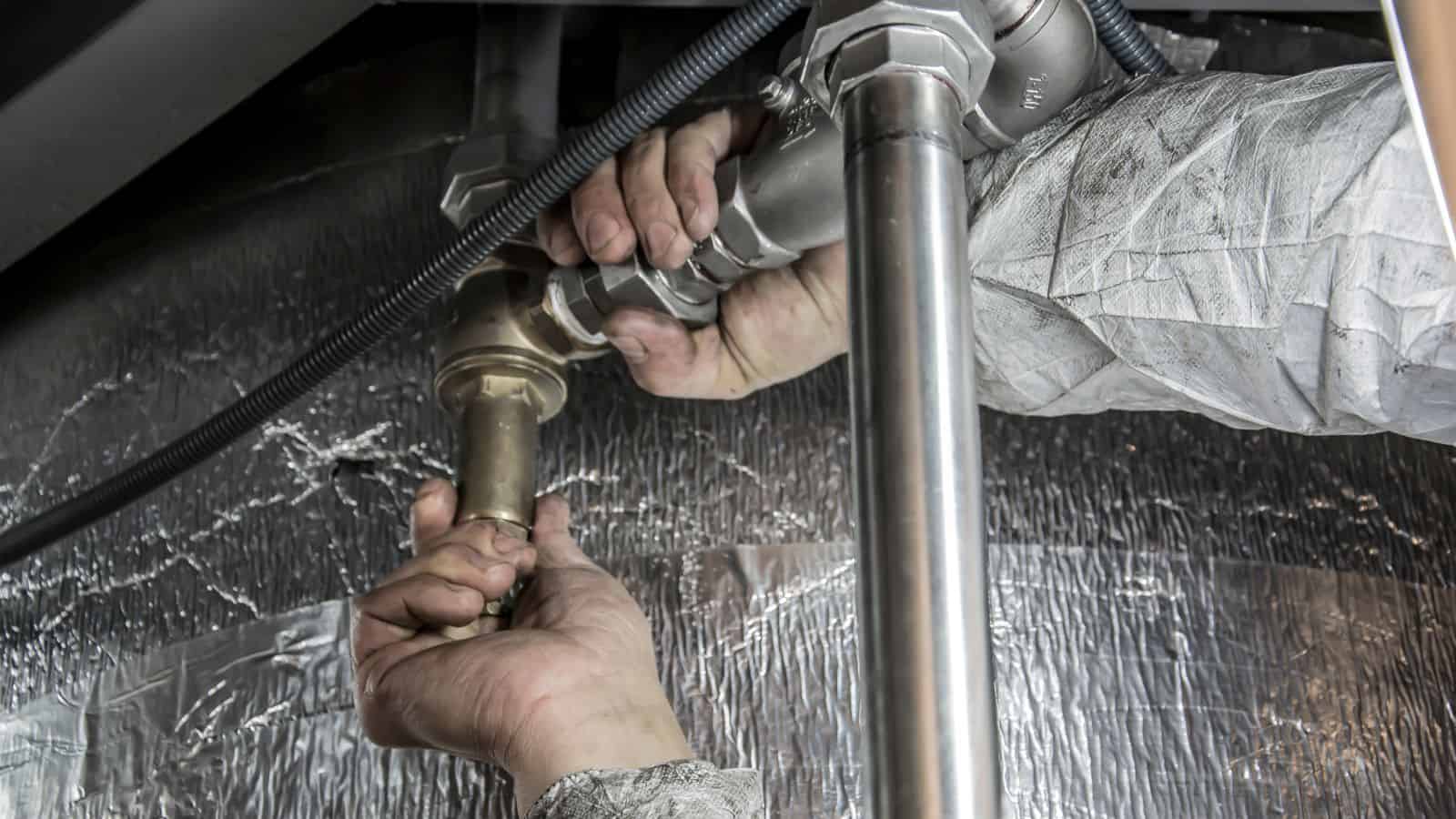
What Qualifies as an Emergency Repair
Not every maintenance request is an emergency, but getting the classification wrong creates legal risk in both directions. If you treat every inconvenience as urgent, you’ll burn through your maintenance budget and your contractors’ goodwill. If you dismiss a genuine emergency as routine, you could face rent withholding, lease termination, or a lawsuit.
True emergencies are conditions that threaten tenant safety or make the unit uninhabitable. In Las Vegas, the list is longer than in most markets because of the climate. Complete HVAC failure during summer – when outdoor temperatures regularly exceed 110 degrees Fahrenheit – qualifies as an emergency because indoor temperatures can become life-threatening within hours, especially for elderly tenants, children, and anyone with a health condition. Gas leaks, major water intrusion that threatens the structure or creates slip hazards, electrical failures, broken exterior door or window locks that compromise security, sewage backup, and extended loss of hot water all fall into the genuine emergency category.
Non-emergencies include minor appliance issues that don’t affect habitability, cosmetic damage like chipped paint or a cracked tile, and non-essential fixture problems like a slow-draining bathroom sink that still functions. Having this distinction spelled out clearly in your lease and explaining it to tenants at move-in prevents tenants from treating every inconvenience as an emergency. More importantly, it protects you when a real one occurs, because you’ve already established a communication framework and a documented definition of urgency.
For a full breakdown of what the law requires you to maintain, read our guide on habitability requirements in Nevada, so you know exactly where your legal obligations begin and end.
Nevada Law on Landlord Repair Timelines
Nevada law does not give landlords unlimited time to address maintenance issues. Under NRS 118A.355, a tenant can provide written notice of a habitability problem and the landlord has 14 days to repair it – or just 48 hours if the condition poses imminent danger to life or safety. Those are hard deadlines, and missing them gives tenants powerful legal remedies.
The tenant can legally terminate the lease, hire a contractor themselves and deduct the cost from rent, or sue you for damages. In practice, genuine emergencies require a same-day or next-day response to stay on the right side of the law and maintain any trust in the landlord-tenant relationship. Waiting two or three days to respond to a flooding bathroom or a broken exterior lock is not a defensible position under Nevada landlord-tenant laws.
Documenting your response is just as important as making it quickly. The moment a tenant reports an emergency, create a record. Always note the date and time of the report, its delivery method (phone, text, email), tenant description, your responses, etc.
You should also mention what you communicated, when the contractor was dispatched, and when the work was completed. This timeline is your defense if a dispute arises later about whether you acted promptly. For workplace safety standards that Nevada courts sometimes reference in habitability cases, Nevada OSHA publishes relevant safety guidelines that apply to residential environments as well.
How to Respond When a Tenant Reports an Emergency
Step one is responding immediately – even if you can’t have a contractor on-site within the hour. Silence reads as negligence, and tenants who can’t reach their landlord during an emergency tend to escalate quickly: they file complaints with housing authorities, they call attorneys, and they withhold rent. A simple acknowledgment – “I’ve received your message, and I’m dispatching a contractor now” – changes the entire dynamic of the situation.
Step two is dispatching a qualified, licensed contractor as quickly as possible. For HVAC emergencies during Las Vegas summer, most major HVAC companies in the valley offer after-hours emergency service. Have their contact information saved in your phone before June arrives, not on the day a tenant calls at 9pm to report that the AC stopped working. The same applies to plumbers, electricians, and locksmiths. Understanding your AC repair obligations in Nevada specifically will help you communicate clearly with tenants about your response timeline.
Step three is documentation. Save every piece of communication: the tenant’s initial report, your response, the contractor’s dispatch confirmation, photos of the problem before and after, and the completed invoice. If the tenant reported the issue by phone, follow up with a text or email summarizing what you discussed and what you committed to. This creates a paper trail without requiring the tenant to do anything additional. Step four – which many landlords overlook – is following up with the tenant after the repair to confirm the issue is resolved and to ask if anything else needs attention. That one follow-up message does more for your landlord-tenant relationship than almost anything else.
Temporary Measures While Waiting for Repairs
If a qualified contractor can’t arrive immediately, provide temporary relief where possible while the permanent fix is arranged. Temporary measures serve two purposes: they reduce harm to the tenant, and they demonstrate good faith that reduces your legal exposure if a dispute later arises. If a leak has soaked carpet or laminate, line up professional water damage floor repair as soon as the source is contained, because saturated subfloor can turn a plumbing call into a habitability problem.
For HVAC failure during extreme heat, offer a portable air conditioning unit if you have one or can source one quickly, or arrange hotel accommodation if the unit is genuinely unsafe to occupy. The cost of one or two nights at a budget hotel is far less than the legal and reputational cost of a tenant who spent a Las Vegas summer night in a unit that reached 95 degrees inside. For major water intrusion, start mitigation immediately: provide tarps, buckets, and fans, and shut off the water supply to the affected area. Acting fast on water damage limits the total repair cost significantly because mold begins developing within 24-48 hours of moisture exposure.
For security issues like a broken exterior lock, call a locksmith the same day, not the next business day. A broken front door lock that goes unfixed overnight is not just a legal liability – it’s a genuine danger to your tenant. For sewage backup, instruct the tenant not to use any plumbing in the affected area and get a plumber on-site as quickly as possible. In the meantime, communicate clearly about what is being done and when the permanent repair will occur. Tenants who feel informed and cared for are far less likely to pursue legal remedies, even when emergencies take a few hours to fully resolve.
Preventing Emergencies Through Regular Maintenance
The vast majority of emergency repairs are predictable failures – HVAC systems that weren’t serviced before summer, water heaters that showed signs of sediment buildup for months, roofs with deferred maintenance that finally gave way during a monsoon storm. The emergency itself may feel sudden, but the underlying conditions usually developed over time and could have been caught with regular inspections.
A seasonal maintenance schedule dramatically reduces emergency frequency and overall maintenance cost. In Las Vegas, that means servicing HVAC units in March before the heat arrives, inspecting roof and exterior drainage before monsoon season in July, checking water heaters and pipes before winter, and walking through the interior of each property at least once a year. Our seasonal maintenance checklist for Las Vegas rental properties breaks down what to inspect and when, organized around the specific demands of the desert climate.
Beyond scheduled inspections, pay attention to small maintenance requests from tenants. A slow drain, a small ceiling stain, a HVAC filter that needs changing – these are early warnings of developing problems. Addressing them promptly costs a fraction of what you’ll spend if they escalate. Encourage your tenants to report issues early by making it easy and non-confrontational to do so. Tenants who know their landlord responds quickly to small problems will contact you when something starts developing rather than waiting until it’s a full emergency.
How IRES Handles Emergency Repairs 24/7
Managing emergency repairs around the clock is one of the most exhausting parts of owning rental property. The phone call at 11pm, the scramble to find an available contractor, the back-and-forth with the tenant while you coordinate access and communicate timelines – it takes a real toll on landlords who are handling this on their own, especially those who own multiple properties or have day jobs.
Budgeting So an Emergency Repair Never Becomes a Cash Crunch
Knowing what counts as an emergency and how fast to respond only solves half the problem. The other half is having money ready when the call comes at 2am, because a failed compressor in July or a burst supply line does not wait for next month’s rent to clear. Owners who treat repairs as a budgeted line item instead of a surprise tend to make faster decisions, and faster decisions are what keep a small leak from turning into a drywall and mold claim. We see this play out across the portfolios we run through our full-service Las Vegas property management, where a funded reserve is the difference between approving a same-day dispatch and waiting on an owner who has to scramble for the cash.
A practical reserve target most local owners can live with is a few percent of monthly rent set aside every month, scaled up for older roofs, aging HVAC, or original plumbing that is statistically due. Newer construction can run on the lighter end, while a 1990s home in the east valley needs a thicker cushion. When you fold that reserve into the same monthly accounting you already use for income and expenses, it stops feeling like a separate chore. Our owners watch their repair spend, reserve balance, and net cash flow in one place through our rent collection and financial reporting, so an emergency invoice never arrives as a shock at tax time.
The spend itself usually works in your favor. Whether an emergency fix is a currently deductible repair or a depreciable improvement depends on the IRS repair-versus-improvement test, not on the emergency itself. A minor fix that keeps the property in ordinary operating condition, such as patching a pipe, is usually deductible in the year you pay, while replacing a whole system or major component, such as a full HVAC unit, is generally a capital improvement you depreciate. The IRS lays this out in Publication 527 on residential rental property, and a tax professional can confirm the treatment for a specific repair. Keep every after-hours invoice, photo, and vendor receipt, because that same documentation supports both the deduction and your habitability record. Pairing a funded reserve with a vetted on-call vendor bench, which we cover under our property maintenance and repairs service, is what lets an owner say yes immediately instead of weighing the repair against this week’s bank balance.
We handle all of it. When a tenant reports an emergency to IRES, our team responds immediately, dispatches from our network of vetted, licensed contractors, keeps you informed, and handles every piece of documentation from report to completion. You don’t get the 11 pm phone call – we do. Get a summary of the incident and its resolution, while skipping the stress of real-time management, get it in real time.
Our maintenance coordination is part of what makes professional property management with IRES worth every dollar. Tired of being on call for your own investment properties? Let’s talk about what a managed approach looks like for your portfolio.
For the full scope of how we manage Las Vegas rentals end to end, see our property management services.
Need Help Managing Your Las Vegas Rental?
IRES takes the stress out of property management. Whether it’s tenant screening, lease enforcement, rent collection, or just getting your time back, we’ve got you covered.
Call us: 702-478-2242
Email: brandy@iresvegas.com
Or visit our Contact page
This article provides general information about Nevada landlord-tenant law and federal fair housing requirements and should not be considered legal advice. For specific legal questions, consult a licensed Nevada attorney.