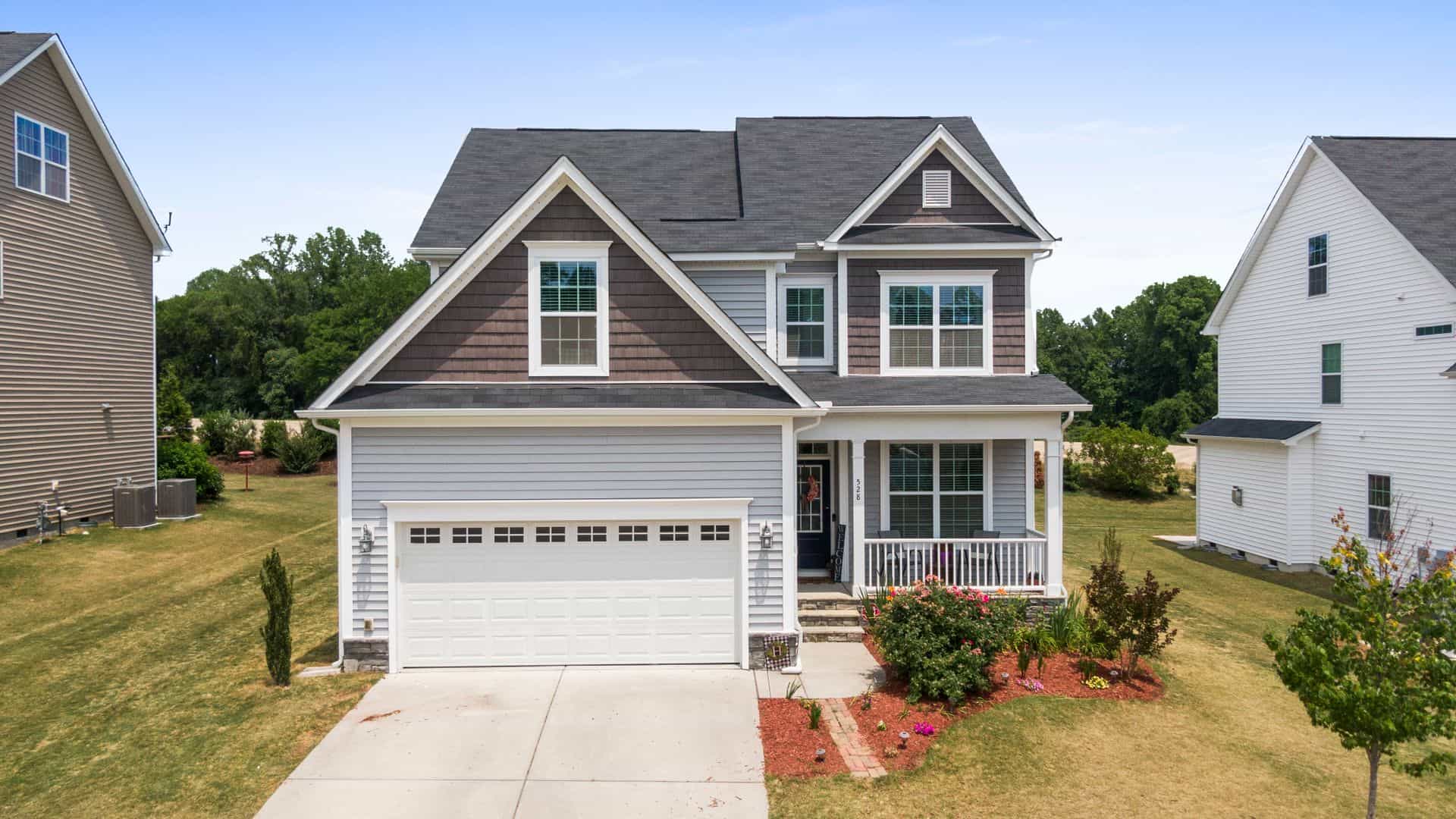
Ask a Las Vegas owner to list the mechanical systems on their rental and you will hear about the air conditioner, the water heater, the pool equipment, and maybe the irrigation timer. The garage door almost never comes up. It is also, on most single family homes in this valley, the heaviest moving object on the property and the one the tenant operates several times a day without thinking about it.
Add the community gate that half of our rental stock sits behind, and you have two pieces of powered equipment that combine daily use, real injury potential, and a shared ownership picture that confuses everyone involved. Owners assume the association handles the gate. Tenants assume the owner handles the clicker. Nobody assumes responsibility for the door spring until it snaps on a Saturday and a car is trapped inside.
This is the practical version of that conversation. What actually wears out on a Las Vegas garage door, what should never be touched by an owner or a tenant, how the safety sensors work and why they matter to your liability picture, and how to divide access and repair duties for HOA gates before it becomes an argument.
Why the Garage Door Deserves a Line in Your Maintenance Plan
The Door and Access Systems Manufacturers Association makes the point plainly in its safety guidance for homeowners, noting that a garage door is probably the largest moving part in a home and typically gets used every day. Their recommendation is a monthly visual and functional check by the occupant, plus an annual visit from a trained door systems technician.
Southern Nevada is harder on these systems than the national average, and the reason is not exotic. Garage interiors here run brutally hot in summer, which cooks lubricants, hardens rollers and weather seal, and stresses opener electronics. Fine desert dust works into hinges and tracks. Ultraviolet exposure degrades the bottom seal until it stops sealing at all, which is how you get scorpions and dust drifting into a garage that the tenant is storing boxes in.
None of that is dramatic on any given month. Over three or four years it turns a smooth door into a noisy, out of balance one, and an out of balance door puts load on the opener that the opener was never designed to carry. The failure that eventually shows up as an emergency call was visible eighteen months earlier to anyone who looked.
Springs, Cables and the Repairs Nobody Should Attempt
Torsion and extension springs carry enormous stored energy, and they are the single most dangerous component on the property that a well meaning person might try to fix on a weekend. DASMA is direct about this. Spring systems should be repaired only by trained professionals, and the cables that connect the spring system to the bottom brackets should be replaced only by a trained technician because of the tension involved.
Two practical rules follow from that. When one spring on a two spring door breaks, replace both, because the second one is the same age and the same number of cycles into its life. When a door with extension springs lacks a safety cable running through the spring and anchored at each end, get one installed, since that cable is what contains a spring if it lets go.
Write this into your tenant communication in plain language. The lease should tell the tenant to report a broken spring, a frayed cable, a door that will not stay in position, or a door that suddenly feels heavy, and to stop using the door until a technician has been out. A tenant who tries a self repair and gets hurt is a problem you created by being vague. This is the same instinct behind our guidance on what counts as an emergency repair and how fast landlords must respond.
Fingers are the other overlooked hazard. DASMA points out that homeowners injure their fingers every year by gripping between door sections, and that a door without pinch resistant joints should have lift handles or defined gripping points on both sides. On an older door at a rental, that is a cheap fix that removes a real injury path.
Safety Sensors and the Federal Rule That Changed Residential Openers
Federal law has required residential garage door openers manufactured for sale in the United States since January 1, 1993 to carry secondary entrapment protection, which in practice means the photoelectric eyes mounted low on each side of the opening. The beam runs across the doorway, and if anything interrupts it while the door is closing, the door is supposed to stop and reverse before it makes contact.
Those sensors are also the most commonly defeated safety device in American housing. They get knocked out of alignment by a bicycle, blocked by a storage bin, taped over by someone tired of the door refusing to close, or wired around entirely. Every one of those conditions is a liability exposure sitting in a property you own, and it is not a subtle one if a child or a pet is involved.
Test the reversal function at every inspection and document that you did. Watch the door close on an obstruction placed on the floor in the beam path, confirm it reverses, confirm the sensor indicator lights are steady, and note the result. Our article on move in and move out inspections for Las Vegas rentals covers how to structure that record so it is worth something later.
If the property still has a pre-1993 opener with no photo eyes, replace the opener. There is no version of that conversation where keeping the old unit is the smart financial call.
Remotes, Keypads and Access at Turnover
Garage access is a security question dressed up as a convenience question. Every remote you cannot account for at move out is a device that opens the property, and a previous tenant, a previous tenant’s ex, or a contractor from two years ago may still be holding one.
Handle it the same way you handle keys. Count remotes at move in and record the number, program the exterior keypad code fresh for each tenancy, and at move out either collect every remote or clear the opener memory and reprogram the ones you keep. Clearing opener memory takes a few minutes and instantly invalidates every device the unit ever learned, which is the only reliable option when a remote goes missing.
Smart openers add convenience and add an account to manage. If the opener is connected to an app, the owner or manager should hold the administrative account and grant the tenant their own access, rather than letting the tenant register the device under a personal account you cannot recover at turnover.
HOA Gates, Clickers and the Access You Do Not Control
A large share of Las Vegas rentals sit behind community gates, which introduces a third party into a two party relationship. The association owns and maintains the gate itself, sets the rules for transponders and clickers, and often runs the callbox directory. The owner controls none of that and is still the person the tenant calls when the gate will not open.
Sort this out before the lease starts. Find out exactly how the association issues access devices, whether they will issue directly to a tenant or only to the owner of record, what deposit or fee applies, how long the process takes, and how the callbox listing gets updated. Communities vary widely on all of it, and a slow association can leave a new tenant without access on move in day if you started the request the week of the move.
Put the specifics in the lease. Name how many devices are being issued, who pays if one is lost, that the devices are property of the association or the owner rather than the tenant, and that they must be returned at move out. Association rules also govern gate arm damage, tailgating, vendor access, and guest codes, and those rules are enforceable against you as the owner even when the tenant caused the problem. Our overview of HOA rental restrictions every Las Vegas property owner should check is worth reading before you close on a guard gated or gated community property.
Who Pays When a Door or a Gate Fails
Ordinary component wear belongs to the owner. Springs reach their cycle life, rollers wear, opener boards fail in the heat, and none of that is the tenant’s doing. That is normal operating cost on the asset, and it should be budgeted rather than argued about.
Damage from misuse is a different category. A door bent by a vehicle backing into it, a bottom section crushed because someone closed it on a trailer hitch, a gate arm snapped by a tenant forcing through, or an opener destroyed because the door was operated while visibly off track are all events with a cause. The line between those two categories is the same one we walk through in our post on normal wear and tear versus tenant damage in Nevada rentals, and the documentation standard is identical. Photos, a technician’s written diagnosis, and an invoice that describes the cause carry weight. An owner’s opinion does not.
Liability is the piece owners underweight. An injury caused by a component you knew was failing, or by a safety sensor that was disabled and stayed disabled through two inspections, is a much worse conversation than a repair bill. Carry appropriate coverage and understand what sits above your primary policy, which is the subject of our guide to umbrella insurance for Las Vegas landlords.
Building a Service Cadence That Actually Holds
A workable cadence for a Las Vegas rental looks like this. Once a year, a licensed door systems technician services the door and opener, checks balance, inspects springs and cables, lubricates properly, and confirms the safety reversal and the photo eyes. At every periodic inspection, your manager tests the reversal, looks at the bottom seal, listens to the door cycle, and photographs anything trending wrong.
Give the tenant a short written instruction at move in covering what to report, what never to touch, how the manual release works if power fails, and how to reach the association about the community gate. Most garage door emergencies at rentals are preceded by weeks of noise, hesitation, or a door that stops halfway, and tenants report those symptoms when they know the owner wants to hear about them.
Use a vendor who does this work all day rather than a general handyman. Spring work, opener replacement, and track alignment are specialist tasks, and the cost difference between a specialist and a generalist is trivial next to the cost of a bad spring installation. Our piece on how property managers vet and manage vendors in Las Vegas describes how we qualify the trades we send to owner properties.
If you are buying into a gated Las Vegas community or already own a rental where the garage door has not been serviced in years, reach out to the IRES property-management team for a straightforward consultation on getting the door, the opener, and the gate access sorted before it turns into an after hours call.
For the full scope of how we manage Las Vegas rentals end to end, see our property management services.
Need Help Managing Your Las Vegas Rental?
IRES takes the stress out of property management. Whether it’s tenant screening, lease enforcement, rent collection, or just getting your time back, we’ve got you covered.
Call us: 702-478-2242
Email: brandy@iresvegas.com
Or visit our Contact page
This article provides general information about Nevada landlord-tenant law and federal fair housing requirements and should not be considered legal advice. For specific legal questions, consult a licensed Nevada attorney.