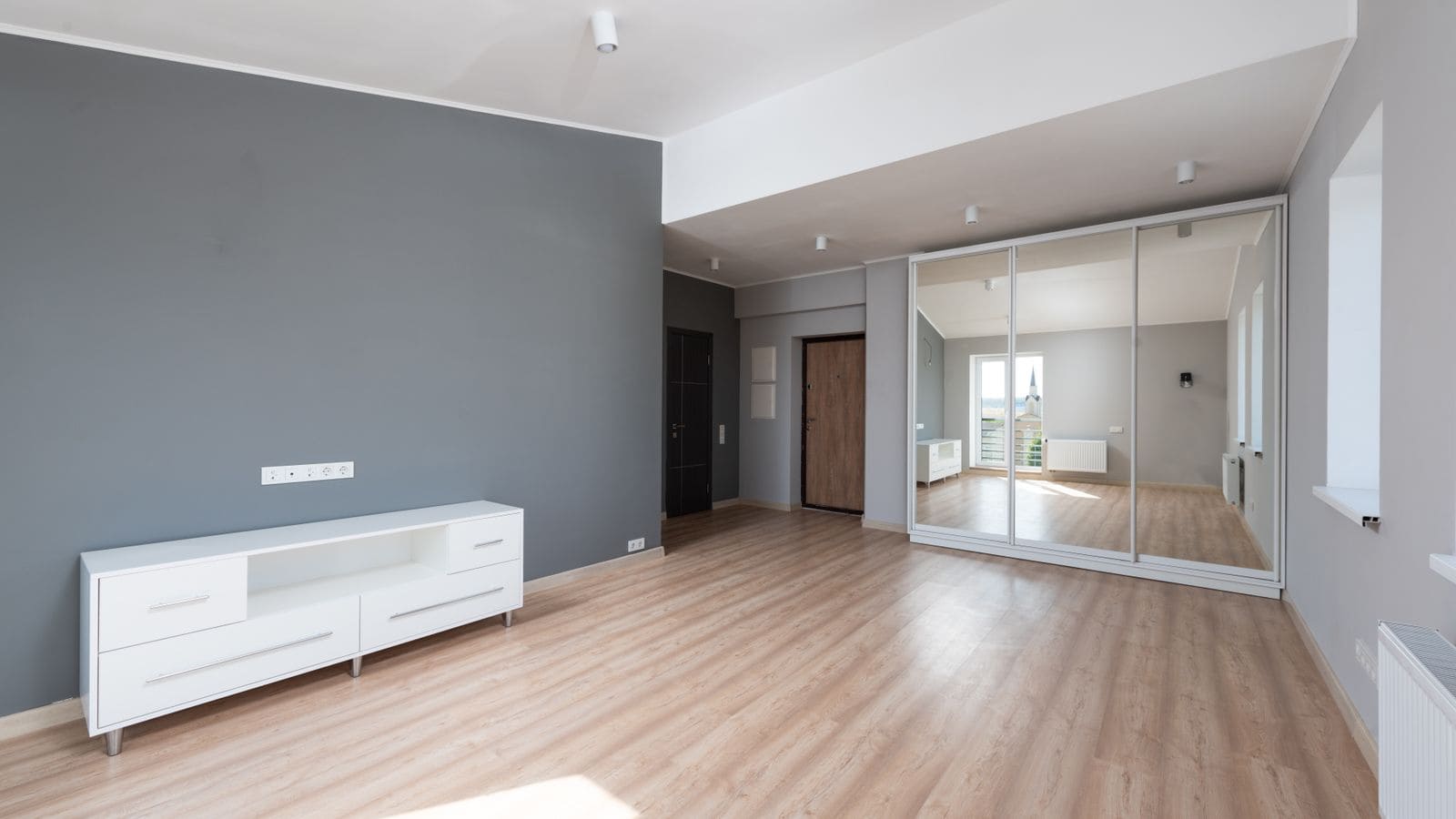
Every rental property in Las Vegas eventually hits the same gap. The old tenant turns in keys, calls NV Energy, and closes the account. The new tenant will not open service until the day the lease starts, sometimes not even then. In between sits a stretch of days or weeks when nobody is officially responsible for the meter, and that stretch is exactly when the property needs power the most. Cleaners are running vacuums and steam machines. Painters need light. The air conditioner has to hold the interior below oven temperature so the showings you booked do not scare off every prospect who walks through the door. If the account simply lapses when the tenant closes it, the utility disconnects, and you find out the hard way, usually when a leasing agent opens the front door into a dark, 104 degree living room.
This article covers the vacancy gap specifically. Our companion pieces on who pays for utilities in an occupied Las Vegas rental and setting up utilities when a tenant moves in handle the occupied side. Here we are talking about the dead zone, the days when the unit belongs to nobody but you.
Why the vacancy gap is more dangerous in Las Vegas than almost anywhere else
In most markets, a week without power in an empty house is an inconvenience. In the Las Vegas Valley it is a property risk. Between June and September, daily highs routinely run 105 to 115 degrees, and an unconditioned house in Summerlin or the southwest valley will climb past 110 inside within a day or two of the air conditioning going off. That kind of interior heat does real damage. Cabinet glue softens and veneers peel. Vinyl plank flooring expands and buckles at the seams. Caulk lines crack. Refrigerators left closed grow mold in the gaskets, and any refrigerator left with the doors shut and the power off for a week becomes a biohazard you will end up replacing rather than cleaning. Smart thermostats, garage door openers, and irrigation controllers lose their programming, and the landscaping dies in days once the irrigation clock goes dark, which matters enormously in HOA communities in Henderson and Summerlin where dead turf or dead desert plantings draw violation letters with real fines attached.
Winter carries a smaller but genuine risk on the other side. Overnight lows in the valley do drop below freezing a handful of nights most years, and exposed hose bibs, drip lines, and the occasional garage water heater line can freeze in an unheated house. It is not Minnesota, but a burst line in a vacant property with the water still on can run for days before anyone notices, and now you are dealing with drywall, flooring, and a possible mold remediation instead of a utility bill.
Then there is the leasing side. Las Vegas rentals move on showings, and showings need light and cool air. A prospect who tours a dark, sweltering house does not think about utility logistics. They think the house is neglected, they knock their mental offer down, and they go tour the next listing in a market where they usually have plenty to choose from. Days on market cost you real money. At a typical valley rent of $1,900 to $2,200 for a three bedroom house, every week of avoidable vacancy costs roughly $440 to $510. A month of utilities on an empty house rarely exceeds $200 to $350 even in peak summer with the thermostat parked at 80. The math is not close.
How landlord revert agreements work with NV Energy
The fix for the electric side is a standing arrangement usually called a landlord agreement or revert to owner agreement. Instead of service disconnecting when a tenant closes an account, NV Energy automatically transfers the account into the owner’s or property manager’s name the same day the tenant’s service ends. Power never actually goes out. There is no disconnection, no reconnection trip, no deposit event, and no gap in the billing record. When the next tenant opens service in their own name, the account transfers off the owner and back to the tenant, again without interruption. NV Energy explains the program and the enrollment process on its landlord agreements page, and enrolling is a one time administrative task per property, not something you redo at every turnover.
A few practical points owners consistently get wrong about revert agreements.
- The revert only covers the gap. You are billed only for the days the account sits in your name. If the tenant closes service on the 3rd and the new tenant opens service on the 21st, you pay for 18 days of usage, not the month.
- It does not make you responsible for tenant bills. A common fear is that signing a landlord agreement puts the owner on the hook for a tenant’s unpaid balance. It does not. The tenant’s debt stays with the tenant’s account. The revert simply governs what happens after their account closes.
- You still need to watch move out dates. A tenant who quietly calls the utility and backdates or moves up their stop date can shift days of usage onto the owner account. This is one of the reasons a manager reconciles the utility stop date against the actual lease end date and the move out inspection date at every turnover.
- Without a revert, reconnection is not instant. If service fully disconnects, restoring it means opening a new account, possibly a deposit, and waiting on a reconnection that can take a business day or more during summer peak season. That is a day of no air conditioning, no cleaning crew, and no showings in July.
Water, sewer, and trash are a patchwork across the valley
Electricity is the simple part because NV Energy serves essentially the whole valley. Water is where out of state owners get tripped up, because the provider depends on which side of an invisible line your property sits on. The Las Vegas Valley Water District serves the city of Las Vegas and most of unincorporated Clark County, including Spring Valley, Enterprise, and Paradise. The City of Henderson runs its own water utility for Henderson addresses, and the City of North Las Vegas does the same for its residents. Each of the three offers its own version of a landlord or continuous service arrangement, and each has its own paperwork, so a portfolio spread across Henderson, the northwest, and the southwest valley means three separate enrollments, not one.
Water during vacancy is not optional. You need it for cleaning crews, for landscapers, for flushing toilets so the P traps do not dry out and let sewer gas into the house, and for the irrigation system that keeps your landscaping alive and your HOA quiet. In a vacant house we generally want the irrigation running on a reduced summer schedule and the interior water available but monitored, with the supply valves at toilets and the washer box checked during periodic inspections so a slow leak does not run for weeks unseen.
Sewer in much of the valley bills separately through the Clark County Water Reclamation District, and it typically follows the parcel rather than the occupant, which means it was probably in the owner’s name all along. Trash service through Republic Services is franchised valley wide and also commonly stays tied to the property. Neither of these usually disconnects at turnover, but both generate bills that need to land in the right mailbox, which for a managed property means the manager’s, not a tenant forwarding address in another state.
Natural gas through Southwest Gas matters for properties with gas water heaters, furnaces, ranges, or pool heaters. Southwest Gas offers its own landlord transfer arrangement, and it is worth enrolling even though the vacancy gas bill on a summer turnover is usually tiny, because a fully closed gas account means a technician visit and a relight appointment before your water heater works again, and a leasing agent showing a house with no hot water is answering questions you do not want asked.
Who actually pays during the gap
The short answer is the owner, and Nevada law shapes the edges of that answer. Under NRS 118A, the habitability chapter of Nevada’s landlord tenant law, a landlord cannot interrupt or cause the interruption of essential services like electricity, gas, or water to an occupied unit, and NRS 118A.390 gives tenants remedies if it happens. Those obligations end when the tenancy ends, but they define the handoff points. Up to the last day of the lease, utilities the lease assigns to the tenant are the tenant’s responsibility. From the day after, they are yours until a new lease starts and the new tenant’s accounts activate. If a departing tenant closes their account early while still living in the unit, that is their breach, but as a practical matter the revert agreement protects the property either way, because service simply flows to the owner account instead of shutting off around an occupied or newly vacated home.
Two billing details worth knowing. First, vacancy utility costs are ordinary operating expenses, and your manager should book them to the property ledger with the actual provider bills attached, so at tax time they sit cleanly alongside your other deductible expenses. Second, if a tenant’s early account closure pushed usage days onto you that the lease says were theirs, those days can be charged against the security deposit, but Nevada’s deposit rules in NRS 118A.242 require an itemized written accounting within 30 days of move out, so the numbers have to be reconciled fast. This is exactly the kind of small, deadline bound accounting that falls through the cracks for self managing owners and is routine for a professional Las Vegas property management operation running dozens of turnovers a year.
How a manager automates the switchover
At IRES, the utility handoff is a checklist, not an improvisation. The pieces look like this.
- Enrollment happens at onboarding, once. When a property comes under management, it gets enrolled in the NV Energy landlord agreement, the appropriate water utility’s continuous service program for its jurisdiction, and the Southwest Gas transfer program where the property has gas. This is done before the first turnover ever occurs, so the safety net exists before it is needed.
- Notice to vacate triggers the utility clock. The moment a tenant gives notice, the turnover checklist opens, and utility stop dates are confirmed against the lease end date in writing.
- Move out day gets meter reads. The move out inspection includes photographing the electric meter and checking that the thermostat is set to a vacancy setpoint, roughly 80 degrees in summer and 55 to 60 in winter, high enough to save money, controlled enough to protect the house.
- Vacancy billing is verified, not assumed. Within a few days of move out, the manager confirms the accounts actually reverted. A revert agreement that silently failed, because a tenant gave the utility a wrong date or an enrollment lapsed, is only caught by checking.
- Move in reverses the sequence. The new lease requires tenants to open their utility accounts effective the lease start date and to show proof before keys are released, which closes the owner’s exposure on a known date instead of an honor system.
That checklist lives inside a broader vacancy program, because utilities are only one of the risks an empty house carries in this valley. Squatters, pool maintenance, HOA compliance, and insurance vacancy clauses all have their own moving parts, and we cover the full picture in our guide to vacant property management in Las Vegas.
The bottom line for owners
Vacant unit utilities are a small bill that prevents large ones. A summer turnover might put $250 of electricity and $80 of water on your ledger. Skipping it risks a $1,200 refrigerator, a buckled floor, an HOA fine schedule, a burst line, and an extra two or three weeks on market because your showings happened in the dark. Set up the revert agreements once, confirm them at every turnover, keep the thermostat and irrigation running at vacancy settings, and make the new tenant’s utility activation a condition of getting keys. Or hand the whole sequence to a team that already runs it every week. Either way, the lights should never actually go out between tenants. The only thing that should change is the name on the bill.
Need Help Managing Your Las Vegas Rental?
IRES takes the stress out of property management. Whether it’s tenant screening, lease enforcement, rent collection, or just getting your time back, we’ve got you covered.
Call us: 702-478-2242
Email: brandy@iresvegas.com
Or visit our Contact Page
This article provides general information about Nevada landlord-tenant law and federal fair housing requirements and should not be considered legal advice. For specific legal questions, consult a licensed Nevada attorney.