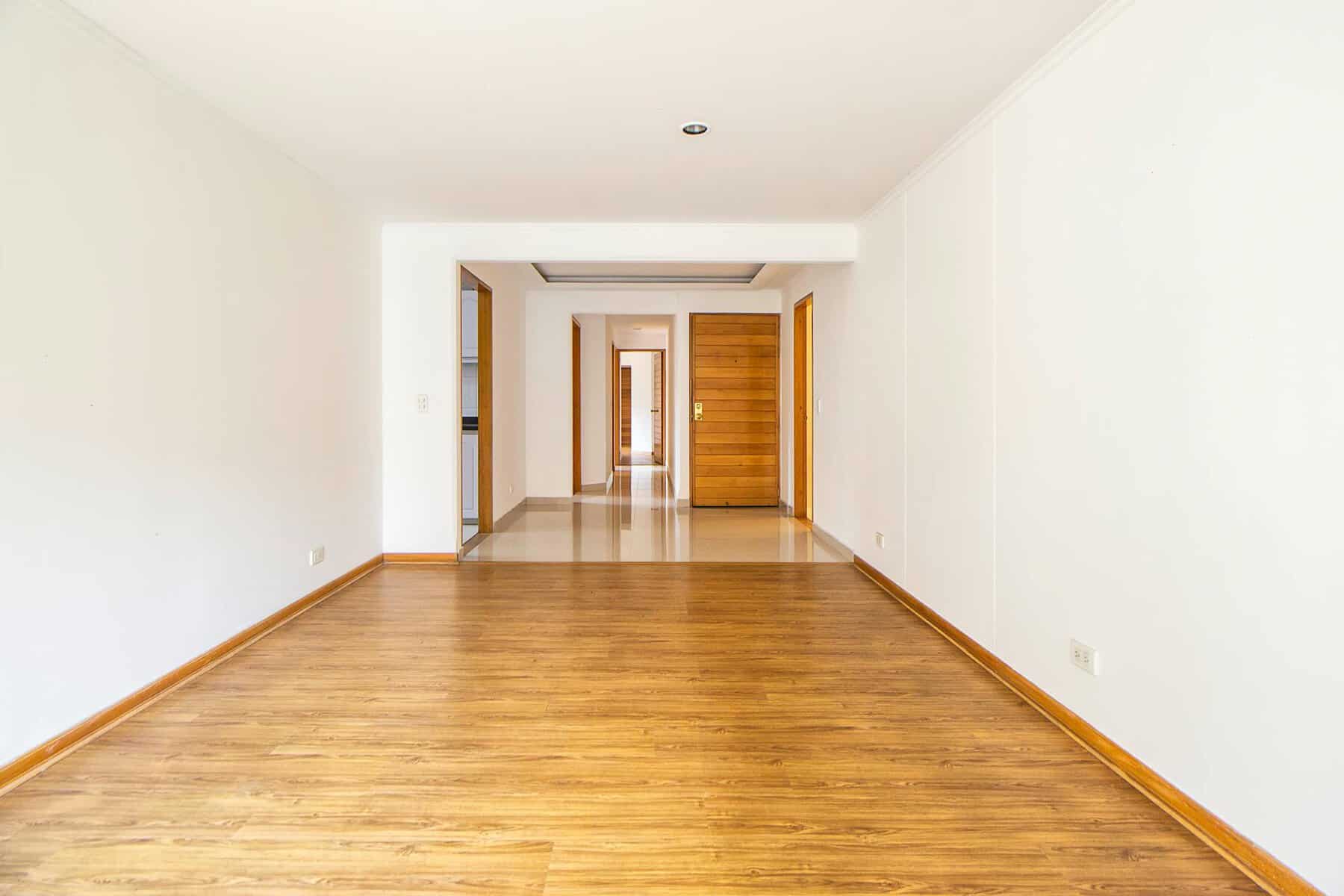
A vacant property in Las Vegas is not a property that needs less management. It is a property that needs different management. Insurance treatment changes, security exposure climbs, code enforcement risks compound, and the leasing clock starts running against the owner the day the prior tenant turns in the keys. This guide walks through what an experienced property manager actually does for a vacant property in the valley.
Why Vacant Properties Need Active Management
An empty property without active oversight becomes a liability faster than most owners realize. HVAC failures go undetected. Pool equipment fails quietly. A water leak that would take a tenant 20 minutes to spot can run for two weeks in a vacant property and cause five figure damage. Squatter and break in risk rises. HOA violations stack up. None of these problems require active mismanagement, they just require the absence of someone looking at the property regularly.
Insurance Implications of an Empty Unit
Most standard landlord insurance policies exclude coverage once a property has been vacant for more than 30 to 60 days. Carriers consider a vacant property to be a substantially different risk profile and require either a vacancy endorsement or a separate vacant property insurance policy. Owners who do not file the vacancy notice with their carrier and then have a loss often find their claim denied. The Insurance Information Institute publishes guidance on vacant home insurance that owners should review before a property crosses the 30 day vacancy threshold.
Physical Security and Walkthroughs
A good manager runs a physical walkthrough of a vacant property at minimum every 14 days. Locks are checked. Windows are checked. Smoke detector batteries are checked. The HVAC is verified running at a vacant setpoint to prevent humidity damage. The pool, if present, is confirmed circulating with proper chemistry. Any signs of attempted entry, pest activity, or roof leak are documented and addressed before they become a larger problem.
Climate Damage Risks in Las Vegas Summer
A Las Vegas summer can hit interior temperatures above 130 degrees in a closed unit without HVAC running. That temperature destroys interior paint, warps cabinetry, splits drywall seams, and degrades any wood flooring. Vacant property HVAC should run at 82 to 85 degrees in summer and 55 to 60 in winter. The cost of utilities at vacant setpoints is far less than the cost of repairing climate damage.
HOA and Code Enforcement Exposure
A vacant property with an overgrown lawn, an algae green pool, or trash carts left at the curb is a magnet for HOA violation notices. Repeat violations escalate to fines, then to liens. The City of Las Vegas and City of Henderson both run code enforcement programs that can attach municipal fines to a property for the same reasons. A manager who is touching the property weekly avoids all of this. A manager who is not, does not.
Pre Leasing the Vacancy
The most expensive vacancy is one that runs longer than it should. A good vacant property manager prepares the unit, photographs it well, prices it against current data, lists it across the syndication network, and starts showings the day the unit is ready. If applications are not arriving within 10 days, the price or the listing copy gets adjusted. Sitting on a vacant property for 60 days waiting for the market to come to you is the most common owner mistake.
The Three Risks That Sharpen After Day Sixty of Vacancy
A property in the early days of vacancy carries roughly the same risk profile as one that is occupied; the operational systems that protect it (insurance, utilities, monitoring, maintenance cycles) are still operating on their normal cadence. After roughly sixty days of continuous vacancy, the risk profile shifts in three specific ways that owners managing remotely often do not anticipate.
The first is the insurance posture. Most landlord insurance policies in Nevada include a vacancy clause that modifies or excludes coverage after a continuous vacancy period, commonly thirty or sixty days, depending on the carrier and the specific policy. Beyond that threshold, claims for vandalism, water damage, or theft may be partially or fully denied unless the owner has filed for and received a vacancy endorsement. The cost of the endorsement is modest; the cost of discovering coverage gaps after a loss event is not. Past day sixty, the question is no longer hypothetical and the endorsement filing becomes urgent.
The second is the visibility risk. A property that has been vacant for two months starts to develop visible signals, unmoved newspapers, package buildup, an unkept yard, no interior lights at predictable hours, no traffic in and out, that draw attention from opportunistic actors. Pockets of the Las Vegas valley with seasonal vacancy patterns see noticeable upticks in unauthorized-entry incidents during long summer vacancies, and the operational remediation (motion-activated exterior lights, scheduled lawn maintenance, visible signage, mail forwarding) needs to be in place before the signals develop rather than after.
The third is the systems-degradation risk. HVAC systems that sit idle through Las Vegas summer can develop refrigerant or compressor issues that would not have developed under continuous use. Plumbing traps dry out, allowing sewer gas to enter the unit and creating an odor problem that complicates the eventual showing. Irrigation systems left on auto can drift into watering schedules that violate increasingly tight Southern Nevada water restrictions. Each of these costs more to remediate after the fact than the small recurring cost of a maintenance walkthrough every two weeks during extended vacancy.
Getting a Vacant Unit Re Leased Faster
Protecting a vacant property is only half the job. The other half is ending the vacancy, because every week a unit sits empty is rent that never comes back. The fastest re leasing does not start when the old tenant leaves, it starts before, with a manager who schedules the make ready, lines up photography, and lists the unit so showings can begin the moment it is ready. A vacancy handled reactively drifts for weeks, while one handled on a plan often has an approved applicant waiting.
Pricing is the lever that decides how long a vacancy lasts. A unit listed even slightly above what the current market will bear can sit for a month, and that lost month almost always costs more than the higher rent would have earned, which is the core logic behind how a manager sets rental pricing. A manager watching live showing feedback adjusts quickly rather than letting a stale listing bleed weeks of vacancy while the owner holds out for a number the market has already rejected.
Turn quality matters as much as turn speed. Rushing a tenant into a unit that was not properly cleaned, repaired, and documented trades a short vacancy for a long headache, and a poorly screened applicant taken in desperation can lead straight to the eviction process. The goal is a fast turn that still ends with the right tenant and a clean record of the unit condition, which is the balance a disciplined vacancy process is built to strike.
Working With IRES
IRES handles vacant property management for owners across the valley, including walkthroughs, vendor coordination, insurance liaison, and active leasing. If you have a property going vacant or one that has been sitting empty, call 702 478 2242 or use the contact page to discuss what oversight makes sense for your specific situation.
How Long a Property Should Sit Vacant Before You Reconsider Pricing
21 days. After 21 days of full market exposure with professional photography, signed showings, and at least 4 lead conversions per week, a vacant Las Vegas single-family property that has not produced a strong application is priced wrong, presented wrong, or both. Every additional week of vacancy carries an opportunity cost that quickly exceeds any rent premium an owner was holding out for. A good manager will surface the pricing conversation at day 21, with comparable market data, rather than letting the vacancy continue while quietly hoping the next showing converts.
Should an Owner Lower Rent or Offer Concessions on a Slow Vacant Property
Concessions over reductions, almost always. Half a month free, a waived application fee, or a built-in renewal cap reads better in the market than a $50 rent reduction and preserves the headline rent for comparables. A reduction sticks in the lease through every renewal; a concession is one-time.
Does Furnishing a Vacant Property Speed Up Leasing
For most long-term rentals, no. The pool of long-term tenants who want a fully furnished SFR is small in Las Vegas outside of corporate housing and medical professional segments. For a property that backs into a hospital corridor or near Nellis, furnishing can open a corporate lease channel. Outside those niches, a furnished long-term rental usually sits longer and prices similarly to unfurnished.
What Happens to Utilities and HOA Dues During a Vacancy
Building a Defensible Condition and Cost Record During the Vacancy
A vacant unit is the cleanest window you will ever get to document a property in known condition, and a good manager treats it that way. The moment the prior tenant moves out, capture a dated photo set of every room, the appliances, the flooring, and the exterior, then repeat a lighter version at each interim walkthrough so you can prove nothing changed while the unit sat empty. That running record protects you on three fronts at once, since it settles the departing tenant’s deposit accounting, establishes the baseline for the incoming lease, and gives you evidence if a vacancy related issue like a roof leak or a break in surfaces later. Pairing those visits with scheduled documented rental property inspections keeps the photo trail consistent rather than ad hoc.
On the money side, an empty unit still spends, so the carrying costs deserve the same discipline as rent does. Track the dues, utilities, lawn service, and turn expenses against the property on monthly owner statements through tools like transparent financial reporting rather than letting them blur into a year end surprise. That visibility is one of the quieter reasons owners move to full service property management, because the vacant stretch is exactly when a property is easiest to neglect and most expensive to ignore.
Utilities should be transferred to the owner’s name within 48 hours of the previous tenant moving out, with the AC set to maintain 80 to 85 degrees in summer to protect interior finishes and equipment. HOA dues continue. A competent manager handles the utility transition automatically; if the owner has to remember to call the power company themselves, that signals a process gap.
For the full scope of how we manage Las Vegas rentals end to end, see our property management services.
Need Help Managing Your Las Vegas Rental?
IRES takes the stress out of property management. Whether it’s tenant screening, lease enforcement, rent collection, or just getting your time back, we’ve got you covered.
Call us: 702-478-2242
Email: brandy@iresvegas.com
Or visit our Contact page
This article provides general information about Nevada landlord-tenant law and federal fair housing requirements and should not be considered legal advice. For specific legal questions, consult a licensed Nevada attorney.