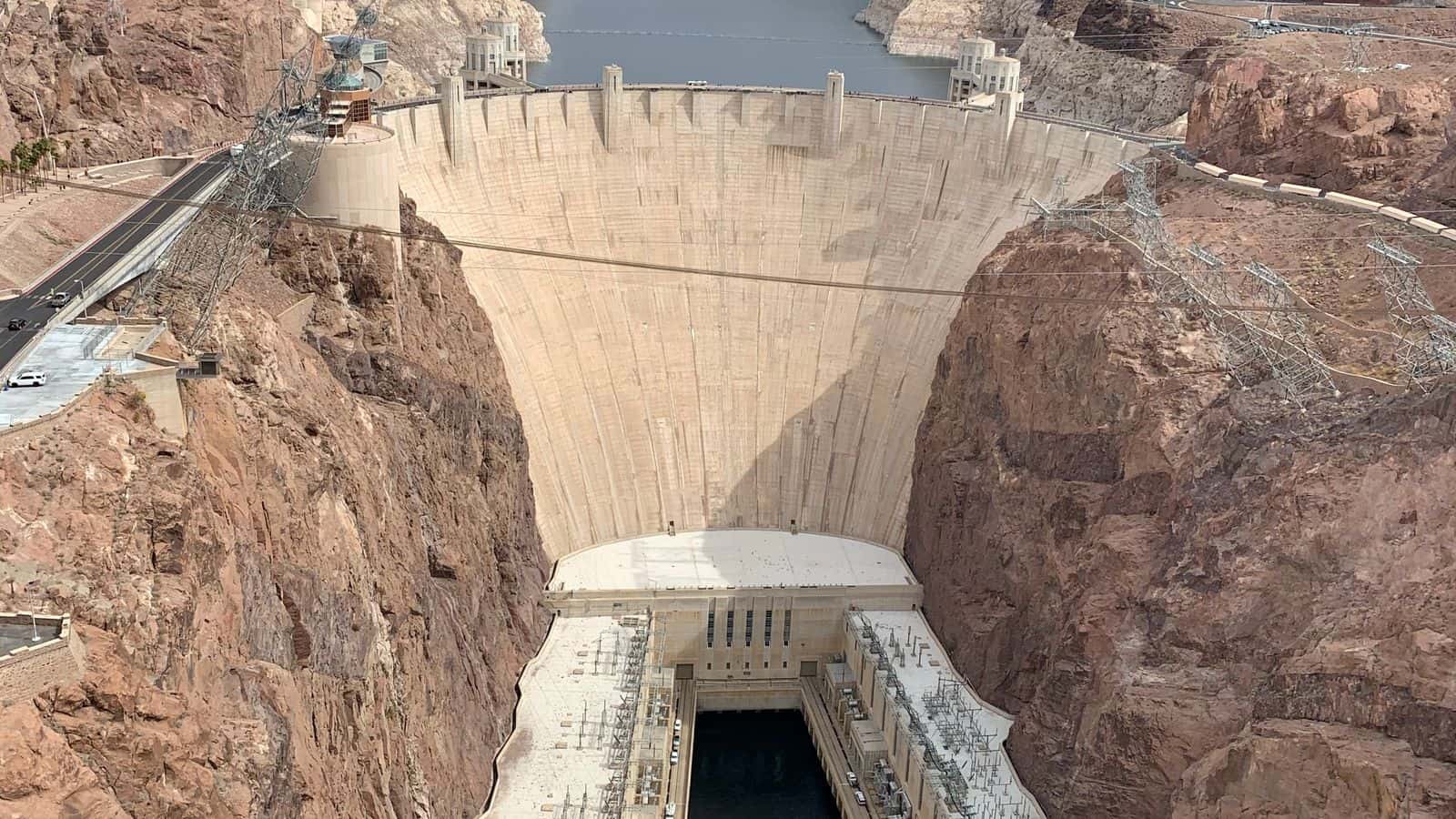
Boulder City sits about a half hour southeast of the Las Vegas Strip, next to Lake Mead and Hoover Dam, and it plays by different rules than almost anywhere else in the valley. The city has capped new residential construction for decades through a growth control ordinance that limits how many new building permits get issued each year, and it remains one of the very few places in Nevada where casino gambling was never permitted in the first place. Both of those facts shape what owning and managing a rental property here actually looks like, and a manager who only knows how to run properties in Henderson or Summerlin will miss things that matter in this market.
Why the housing stock here behaves differently
Because new construction has been deliberately restricted for so long, Boulder City’s housing stock skews older than most of the Las Vegas valley, with a meaningful share of homes dating back decades rather than the newer stucco tract construction common in Henderson or the western valley. Older homes bring older systems, aging electrical panels, original plumbing runs, and roofs that have already had at least one replacement cycle. A property manager working here needs a maintenance vendor list that is actually comfortable with older construction, not just crews used to servicing five year old production homes, and an inspection process that specifically checks age related wear points rather than a generic new construction checklist.
The flip side is that the same growth cap keeps supply genuinely limited, which tends to support steadier occupancy for well maintained rentals. A property here is not competing against a constant wave of newly built inventory the way a rental in a fast growing suburb might be, which changes how aggressively a manager needs to market and price a vacancy.
No casino economy changes the tenant pool
Boulder City’s charter has kept gaming out of the city since its founding, which means the local economy does not run on the shift work, tourism staffing, and transient hospitality employment that shapes rental demand in most of the Las Vegas valley. The tenant pool here leans more toward Hoover Dam and federal agency employees, Henderson and Las Vegas commuters who want a quieter small town setting, retirees, and people connected to the area’s tourism and outdoor recreation businesses around Lake Mead. A manager screening applicants in Boulder City should expect a different income and employment profile than a property near the Strip corridor, and marketing that leans on casino shift schedules or extended Strip commute convenience will simply miss the audience that actually wants to live here.
Short term and vacation rental rules are tighter
Boulder City has taken a notably more restrictive approach to short term and vacation rentals than much of the surrounding valley, treating the small town character of the community as something worth protecting from a wave of transient tourist rentals near Lake Mead. An owner who buys here assuming they can run the same short term rental model that works in a Las Vegas suburb is taking on real regulatory risk. Before listing anything as a short term rental in Boulder City, a manager needs to confirm current zoning and permit requirements directly with the city rather than assuming valley wide short term rental norms apply, since the rules here are specifically written to be different.
HOA and historic district considerations
A portion of Boulder City’s housing sits within its historic downtown core, where exterior modifications can be subject to design review that does not exist in a typical Las Vegas subdivision. Newer developments outside the historic core often carry their own HOA structures, but they tend to be smaller in scale than the master planned community HOAs common in Summerlin or Henderson. A manager taking on a Boulder City property should confirm early whether a specific home falls inside any historic overlay or design review area, since that affects everything from approved paint colors to whether a owner can install solar panels or a new fence without a separate review process beyond a standard HOA approval.
Turnover and vacancy timelines run slower and that is not a bad thing
Because supply is limited and the tenant pool tends to be less transient than in tourism heavy submarkets, well run rentals in Boulder City often see longer average tenancies and less frequent turnover than comparable properties closer to the Strip. This changes the math on how a manager should think about leasing fees and vacancy risk. A property that turns over once every three years instead of once a year needs a different long term maintenance and rent review cadence than a high turnover unit, and an owner should not expect the same rapid re-leasing timelines quoted for Las Vegas proper to apply here, since the applicant pool at any given moment is genuinely smaller. When a vacancy does happen, the marketing runway matters more than it would in a high turnover submarket, and the same patient, data driven approach we cover in our guide to managing a vacant property applies here, just stretched over a longer expected timeline.
Utilities and city services work differently here too
Boulder City runs its own municipal utilities rather than relying entirely on the same providers that serve the rest of the valley, and a manager unfamiliar with the city needs to account for that when setting up a new rental. Water in particular has its own local rate structure and account setup process separate from what an owner or manager might be used to in Las Vegas or Henderson, and getting a property’s utility accounts transferred correctly at move in and move out avoids the kind of billing confusion that turns into a dispute with a departing tenant later. A manager who has only worked the rest of the valley and assumes the same utility providers and account setup apply here is setting up avoidable friction in the first week of a new tenancy.
Trash, recycling, and other municipal services are also run through the city directly rather than a valley wide contractor in many cases, which means the standard move in checklist a manager uses elsewhere in Las Vegas needs a Boulder City specific version rather than a copy paste of the citywide template.
How to actually benchmark rent here
Pulling comparable rents in Boulder City requires more patience than pulling comps in a high volume submarket, simply because there are fewer active listings at any given time to compare against. A manager should widen the comparable window to recent months rather than recent weeks, and weight comparables by home age and condition more heavily than they might in a newer subdivision, since a well updated 1970s home and an untouched original can rent for meaningfully different amounts even at similar square footage. Leaning on a single online rent estimate tool without cross checking it against actual local listings and recent leases is a bigger risk here than in a deep, liquid rental market, because the smaller sample size gives automated estimates less to work with.
What a manager needs to get right on day one
Setting up a rental in Boulder City correctly starts with a property condition assessment that accounts for the age of the home rather than assuming production home standards, a clear answer on whether the property sits in a historic review area or under an HOA and what that body actually requires, and a marketing plan built around the real tenant pool, dam and federal employees, commuters, retirees, and outdoor recreation workers, rather than a template pulled from Las Vegas Strip adjacent listings. Pricing should be benchmarked against other Boulder City rentals specifically, not against Henderson or Las Vegas comparables, since the limited supply and different demand profile mean the two markets do not move in lockstep.
The city’s own information on permitting, zoning, and its distinct residential growth policy is publicly available and worth a manager’s direct review before taking on a property here, particularly for anything involving new construction, an addition, or a short term rental. You can find current permitting and land use information directly from the City of Boulder City’s official website.
Where Boulder City fits against the rest of the valley
Owners sometimes ask whether a Boulder City rental is a good addition to a portfolio that is otherwise concentrated in Henderson or the Las Vegas suburbs. The honest answer depends on what the owner actually wants. It is not the market for someone chasing rapid appreciation off new construction or maximum short term rental income, since both of those levers are specifically constrained here by policy choices the city has made deliberately over decades. It can be a strong fit for an owner who wants a lower turnover, longer hold property with a tenant pool that is less exposed to the swings of the tourism economy, provided the management approach actually accounts for the older housing stock, the tighter short term rental rules, and the smaller, more specific applicant pool this city draws.
If you own or are considering a rental in Boulder City or elsewhere in the valley, our property management services in Las Vegas cover the full range of submarkets, and our guide to managing a rental inside an HOA community is worth reading if your Boulder City property falls under one. For owners weighing a lake adjacent property specifically, our coverage of property management near Lake Las Vegas covers some of the same lake proximity considerations that come up here, even though the two markets operate under very different growth rules.
Need Help Managing Your Las Vegas Rental?
IRES takes the stress out of property management. Whether it’s tenant screening, lease enforcement, rent collection, or just getting your time back, we’ve got you covered.
Call us: 702-478-2242
Email: brandy@iresvegas.com
Or visit our Contact Page
This article provides general information about Nevada landlord-tenant law and federal fair housing requirements and should not be considered legal advice. For specific legal questions, consult a licensed Nevada attorney.