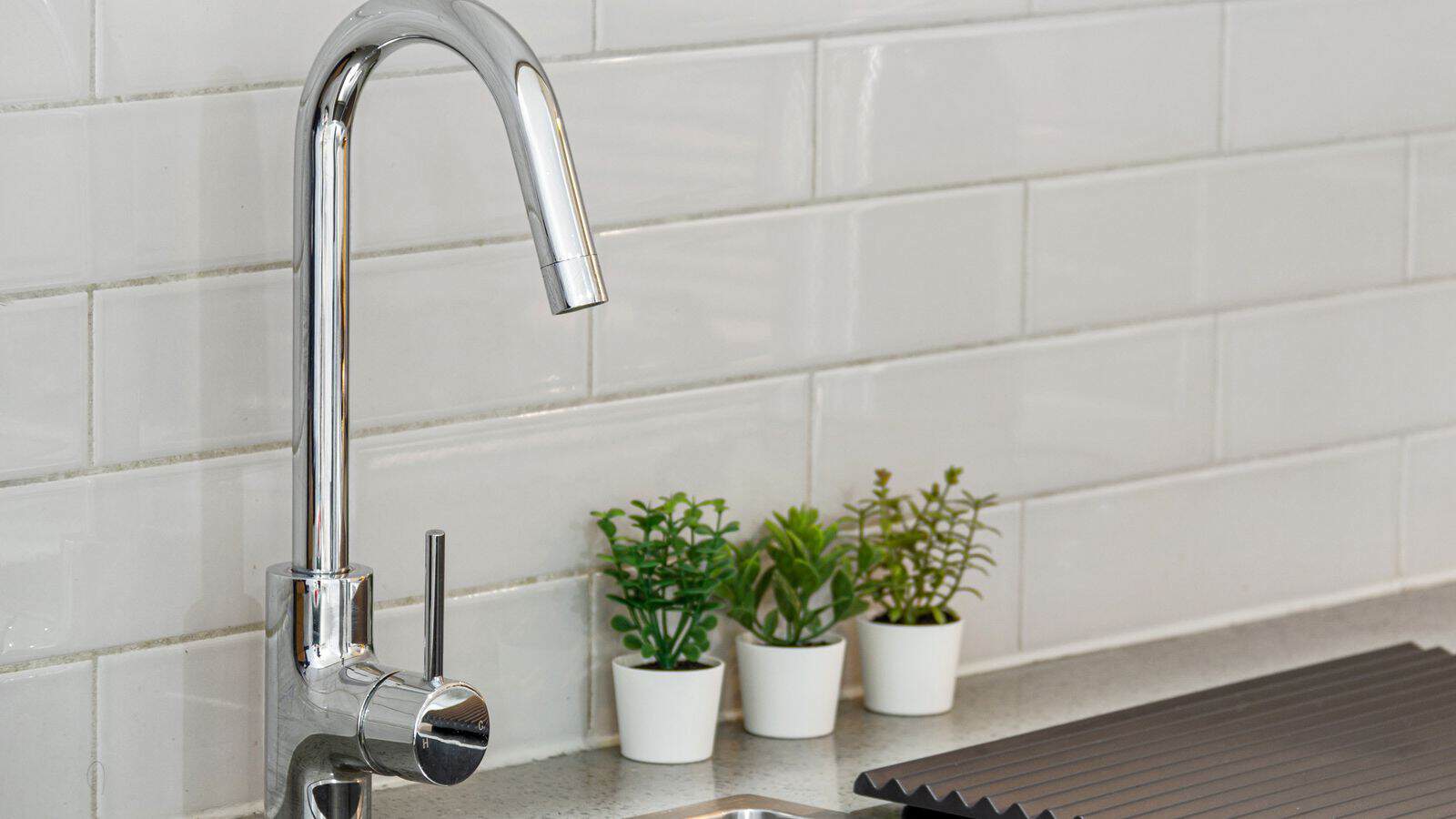
Your Las Vegas rental sat empty for months, and a new tenant gets the keys next week. The walls are painted and the carpet is clean, but the water inside the pipes has not moved since the last tenant left. Before anyone drinks from the tap or takes a hot shower, you need to do something owners often forget: flushing the water lines. This guide covers why it matters, the steps in order, and what your manager should record in the turnover file.
Most owners never think about this step because a normal turnover is short. A home that changes tenants over a weekend keeps its water moving. A home that waits through a long listing, a remodel, an estate sale, or a slow season is different. The plumbing has been sitting still, and in a Las Vegas summer it has been sitting warm.
Why does water that sits in pipes matter?
City water is treated before it reaches your meter, and it keeps moving when people use it. When nobody opens a tap for weeks, the water in the lines, the water heater, and the fixtures goes stale. It can pick up off tastes and odors from the pipes, and sediment settles in the tank and the aerators. Hot garage walls and sun-baked attics in the valley warm those idle lines further.
The health reason gets most of the attention. The CDC’s overview of Legionella and Legionnaires’ disease explains that Legionnaires’ disease is a serious type of pneumonia caused by Legionella bacteria. The same page says people can get it by breathing in mist that contains the bacteria, that most healthy people exposed do not get sick, and that certain people are at increased risk. It also notes the illness is generally not spread from person to person.
The word that matters for a rental owner is mist. A shower is a mist machine. So the goal is simple. Move the stale water out of the house before a tenant steps into a steamy bathroom on move-in night. You are not running a lab test. You are doing a basic, sensible make-ready step and writing down that it was done.
When does a vacant rental need a full flush?
There is no single day count that flips a switch, so use judgment and set a house rule with your manager. A unit that turned over in a few days with someone running water during cleaning usually needs only the normal checks. A home that stayed empty for several weeks or longer deserves the full flush described below.
Some situations call for the full flush no matter how long the gap was. The water was shut off at the meter or at the main valve. The water heater was turned off or set to vacation mode. Plumbing work was done, such as a slab leak repair or a new water heater. The home has a water softener, a filter system, or a reverse osmosis unit that sat idle.
Your manager should decide this during the make-ready walk, not on move-in day. Our overview of the make-ready and unit turn process in Las Vegas shows where the water step fits among cleaning, repairs, and the final inspection.
Who keeps the water on while the home is empty?
Flushing only works if the water and power are on. Some owners shut everything off to save money during a long vacancy. That choice affects the make-ready timeline, because a water heater that was off needs time to refill, reheat, and be flushed before a tenant arrives.
Settle utility responsibility in writing before the home goes vacant. Our guide on who keeps the lights on between tenants in Las Vegas covers how owners and managers usually split that job. If the account was closed, build an extra day or two into the schedule to get water and power restored before the flush.
A simple middle ground works for many owners. Keep water and power on, set the thermostat to protect the home, and have whoever does vacancy checks run each tap for a minute or two on every visit. That keeps the lines from going fully stagnant and shortens the final flush. Routine vacancy visits like these are part of what Las Vegas property management for rental owners should already include, so ask whether running the taps is on the checklist.
How do you begin flushing the water lines, cold side first?
Start with cold water, and work from the point closest to where the water enters the house out to the farthest fixture. In many Las Vegas homes the main comes in near the garage or the front of the house. Ask your manager or plumber if you are not sure where it is.
- Remove aerators where you can. Unscrew the small screens at kitchen and bathroom faucet tips. Rinse out any sediment, then set them aside until the flush is done.
- Run the nearest tap first. Open the cold side fully and let it run until the water feels noticeably colder and steady. That is a sign fresh water from the street has reached it.
- Move outward. Repeat at every sink, tub spout, and shower, one fixture after another, ending with the farthest point in the house.
- Flush every toilet. Flush each one more than once so the tank refills with fresh water.
- Do not forget outdoor hose bibs. Run them briefly, especially if the yard has been without irrigation.
- Reinstall aerators. Put the clean screens back once the water runs clear.
Run showers with the bathroom fan on and the door open, and step out of the room while the water runs. That small habit keeps the person doing the flush out of the mist the CDC describes.
What about the water heater?
The water heater is the largest pool of stored water in the house, so it gets its own step. After a long vacancy the tank may hold water that sat warm for months, plus sediment on the bottom. Flushing it clears stale water and gives your manager a chance to check the unit’s condition before a tenant depends on it.
Here is a sensible order. Confirm the heater is on and set to its normal operating mode, not vacation mode. Let it reach temperature. Then run hot water at each fixture, again working from nearest to farthest, until it comes out hot and steady. If the tank has not been drained in a while, have a qualified technician drain and flush it through the drain valve to clear sediment.
Set the temperature to the level the manufacturer recommends, and note it in the file. Too low can let stale water linger warm in the tank. Too high raises scald risk for the tenant. If you are unsure, ask your plumber to set and label it. Our guide to water heater rules and replacement in Las Vegas rentals covers inspections, the age question, and when replacing beats repairing.
While the technician is there, ask for a quick check of the pressure relief valve, the drain valve, the venting on gas units, and any signs of rust or leaks. A vacancy is the cheapest time to find a problem, because nobody is waiting for a hot shower.
What about appliances, filters, and treatment systems?
Appliances that hold water need attention too. They are easy to miss because they sit behind doors.
- Refrigerator water and ice. Replace the water filter on the manufacturer’s schedule, or at move-in if the date is unknown. Run the dispenser for several minutes, then throw out the first few batches of ice.
- Dishwasher. Run one empty cycle on hot so fresh water passes through the lines and the pump.
- Washing machine. Run an empty hot cycle, and check the supply hoses for cracks or bulges.
- Water softener. Check the salt level and run a manual regeneration if the system sat unused.
- Reverse osmosis or under-sink filters. Replace cartridges and drain the storage tank, following the system’s instructions.
- Evaporative cooler or humidifier. If the home has one, drain and clean it before it runs again.
Leave the old filter boxes or a dated label on each new filter. The tenant can see when it was changed, and your manager can schedule the next change in the maintenance calendar.
What should the turnover file show?
A flush that is not written down did not happen, at least as far as anyone else can tell later. Ask your manager to add a short water section to the make-ready checklist. It takes a few minutes to fill in and saves arguments down the road.
The record should include the date of the flush and who did it, the fixtures flushed, the water heater temperature setting, the date each filter was replaced, and any problems found, such as a dripping valve or rusty water that did not clear. Add a photo of the water heater label and the new filter dates. If a technician drained the heater, attach the invoice.
If rusty or discolored water keeps coming out after a thorough flush, stop and call a plumber. That can point to a failing water heater or corroded pipe, and it is better found now than on the tenant’s first morning.
What should the new tenant hear about the water?
Tell the tenant what was done, in plain words, at the move-in walk. A short note in the welcome packet works well. It can say the water lines and water heater were flushed on a given date, the refrigerator filter was replaced, and the heater is set at a stated temperature. A tenant who knows this is less likely to panic at a little air in the lines or a cloudy first glass from the fridge.
Give the tenant two simple instructions as well. First, run the cold tap for a short while before drinking if the home sits unused again, such as after a long trip. Second, report rusty water, a strange smell, or a water heater that will not stay hot through the normal maintenance request channel, not by text to a cleaner or a neighbor. Those reports go into the same file as your flush record, so a pattern shows up early.
Keep the message calm and factual. You are not warning the tenant about a danger. You are showing them the home was prepared with care, and that the manager wants to hear about water problems quickly. That kind of first impression tends to make the rest of the lease easier for everyone.
If the tenant has a health condition and asks about the water, do not give medical advice. Point them to the CDC page above and suggest they ask their own doctor. Your job, and your manager’s, is to keep the plumbing in good order and the records current.
How much time does this add to a turnover?
For a typical single-family home, the cold and hot flush itself takes an hour or two, plus the time for the heater to come up to temperature. A water heater drain or a filter system service adds a separate technician visit. Plan the flush for the last few days before move-in, after the cleaners and painters are done, so the water is as fresh as possible when the tenant arrives.
The owner’s time cost is small if the rule is set ahead. Approve the step once in writing, set a spending limit for filters and a heater flush, and let the manager schedule it on every long vacancy. You should only hear about it again if something fails.
What should you ask your manager to do next?
Start by asking how long your home has been empty and whether the water and power stayed on. Then ask your manager to add the full flush to the make-ready plan, with the heater check and filter changes listed as separate items. Finally, ask for the completed water section in the turnover file before the tenant signs the move-in inspection.
A vacant home that is cleaned, flushed, and documented gives your new tenant a good first night, and it gives you a clean record. If you want a manager who handles that kind of detail on every turnover, see how our Las Vegas property management service runs vacancies, or call 702-478-2242.