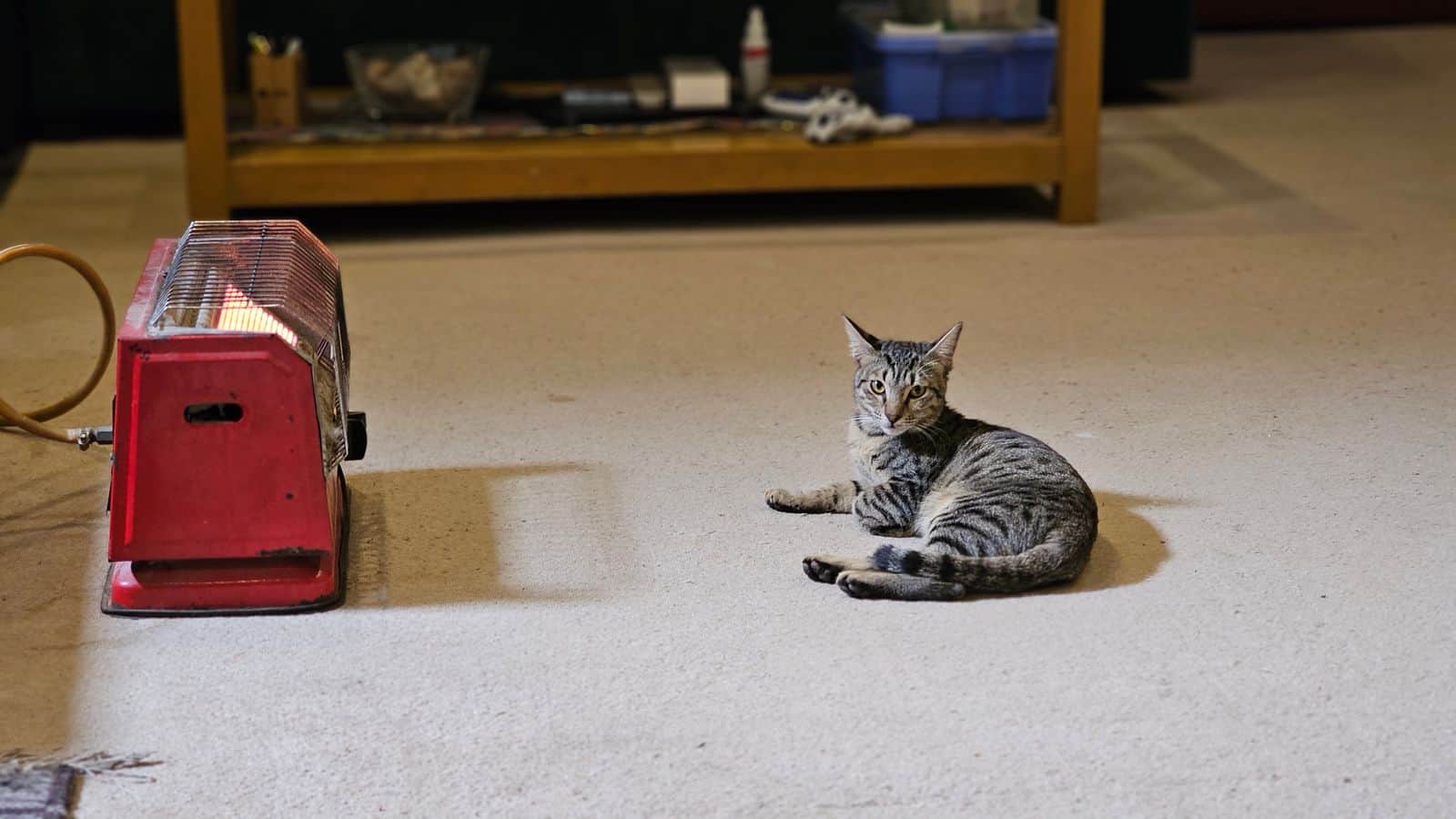
Your tenant mentioned a space heater in the bedroom, or you spotted two of them at an inspection. Now you are wondering whether you can ban them, and what could go wrong if you do not. A clear space heaters rental rule belongs in your lease, but the first question is why the tenant needs one at all.
Las Vegas winters are short, but November and December nights get cold enough that tenants reach for extra heat. This guide covers why that happens, what the risks are, what you can put in a lease, and what a property manager checks before the first cold snap. Those checks are part of routine rental property management in Las Vegas, and they start with the heating system rather than the heater.
Why is your tenant using space heaters
Tenants rarely buy a space heater for fun. They buy one because a room feels cold. Before you write a rule, find out which of these reasons applies.
- One room is colder than the rest. A bedroom over the garage, a room at the end of a long duct run or a room with old single-pane windows can lag behind the thermostat.
- The tenant is trying to save on the power or gas bill by heating one room instead of the whole house.
- The heating system is not working well. It runs, but the air is lukewarm, or it short-cycles, or it does not start at all on some mornings.
- The tenant works from home and sits still in one room all day.
- Someone in the household is sensitive to cold, such as an older relative or a new baby.
Each reason points to a different fix. A cold room may need a duct check or window work. A bill concern may need a conversation about thermostat settings. A failing system needs a repair. Only the last two reasons, working from home and personal comfort, are really about the heater itself.
A space heater can be a warning sign about the heat
When a tenant runs a space heater every night, treat it as a service call you have not received yet. Many tenants do not report weak heat. They assume nothing will happen, or they do not want to bother you, so they buy a heater and move on.
That is a problem for you. Heat is a basic part of a livable home, not an upgrade. If the furnace or heat pump is failing, a heater in one room hides the issue until the system quits entirely, often on the coldest night of the year.
Ask the tenant directly. Does the system turn on? Does the air from the vents feel warm? Does any room stay cold no matter what the thermostat says? Then send a technician if the answers suggest a problem.
Fall service is the right time for this. Our HVAC maintenance guide for Las Vegas landlords walks through what a heating check should cover, from filters and igniters to heat strips on a heat pump. A tune-up before November cuts down on the cold-room calls that lead to heaters in the first place.
What are the risks of space heaters in a rental
Most space heaters are used safely. The risks come from how and where they are used. A property manager thinks about four of them.
Fire. A heater too close to bedding, curtains, clothing or a sofa can ignite them. A heater tipped onto a rug can do the same. Older or cheaper units without automatic shutoffs raise the risk.
Overloaded circuits. Electric heaters draw a lot of power. Plugging one into a circuit already running a microwave, a hair dryer or a second heater can trip breakers or overheat wiring. Extension cords and power strips make this worse, because many are not made for that load.
Carbon monoxide. Fuel-burning portable heaters, such as propane or kerosene units, burn fuel indoors. Without proper venting, they can build up carbon monoxide. Many owners ban them inside the home for that reason alone.
Burns and pets. Exposed elements and hot surfaces can burn a child or a curious pet. A dog or cat curled up next to a heater can also knock it over.
None of these risks need numbers to be real. A single heater fire can damage your home, displace your tenant and spill into a neighbor’s unit if you own a condo or townhome.
The three-foot rule and other placement basics
The U.S. Consumer Product Safety Commission gives a simple placement rule. Its page Space Heater Safety: The 3-Foot Rule That Prevents Fires says to keep space heaters at least three feet away from furniture, bedding and curtains. That one line is worth putting in your lease and your move-in packet word for word.
Beyond clearance, a few common-sense habits make a big difference. Share them with your tenant in plain language.
- Plug the heater straight into a wall outlet, not an extension cord or power strip.
- Set it on a hard, level floor, not on a bed, a rug pile or a chair.
- Turn it off when leaving the room or going to sleep.
- Keep children and pets away from it.
- Use a unit with an automatic shutoff if it tips over or overheats.
- Look for a recognized safety certification label on the heater.
- Never use it to dry clothes or warm a blanket.
A tenant who hears these points at move-in is far more likely to follow them. A tenant who only reads them in a lease addendum may not remember them in December.
Can you restrict space heaters in the lease
You can set reasonable rules about appliances in your rental, as long as the rules are written into the lease and applied the same way to every tenant. A space heater rule is a safety rule, not a punishment, and it should read like one.
There is a limit to how far a ban should go. If your heating system cannot keep the home warm, a total ban on space heaters leaves the tenant cold while the real problem sits unfixed. The better approach is to fix the heat and regulate the heaters.
Most owners land on one of three approaches.
- Allow electric heaters with conditions, such as clearance, wall outlets only, automatic shutoff and certification label. Ban fuel-burning units indoors.
- Require the tenant to ask in writing before using any portable heater, so the manager can confirm the circuit and the room.
- Supply a heater yourself for a room that runs cold, so you choose the model and its safety features.
The third option surprises owners, but it can make sense in a home with one known cold room. You control the equipment, and the tenant does not buy something cheap and unsafe.
What should the lease language say
Keep the clause short and specific. A vague rule like “use appliances safely” gives nobody anything to work with. Your manager or your attorney can adapt the wording, but a good clause covers these points.
- Which types are allowed, such as electric units with tip-over and overheat shutoff and a safety certification label.
- Which types are banned, such as propane, kerosene or other fuel-burning portable heaters inside the home.
- The three-foot clearance from furniture, bedding and curtains.
- No extension cords or power strips for heaters.
- A requirement to report cold rooms or weak heat in writing, so the owner can repair the system.
- A statement that the tenant is responsible for damage caused by misuse of a heater they bring in.
Attach the safety points as a one-page addendum the tenant signs. Then mention them again at move-in and in your fall reminder.
How older Las Vegas homes change the picture
Much of the Las Vegas rental stock was built for cooling first. Heating is often a gas furnace or a heat pump sized for mild winters. That works most of the year. It can leave far rooms cold on the coldest nights.
Older homes add another layer. Electrical panels in older houses may have fewer circuits, and some bedrooms share a circuit with another room. Two heaters on one shared circuit can push a circuit past what it handles comfortably. If breakers trip often, ask an electrician to look. Repeated tripping is a sign of a load problem, not a nuisance.
Condos and townhomes bring shared walls. A fire in your unit does not stay in your unit. Your association may have its own rules on portable heaters, especially fuel-burning ones. Check the rules and match your lease to them.
Windows matter too. Older aluminum frames and single-pane glass lose heat fast. New weatherstripping or window film can make a cold room usable without any heater at all.
What to do when you find an unsafe heater
Sooner or later an inspection turns up a heater that breaks the rules. Maybe it is a propane unit in a bedroom, or an electric heater plugged into a power strip behind the bed. How you handle it matters as much as the rule itself.
Start with safety, not blame. If the setup is an immediate hazard, such as a fuel-burning heater running in a closed room or a scorched cord, ask the tenant to shut it off while the manager is there. Photograph it. Then explain why, in plain words.
Follow up the same day in writing. Name the lease clause, describe what you saw, and give a clear date to fix it. Ask the tenant why they needed the heater. If the answer is a cold room or weak heat, open a repair ticket at the same time. A notice that also fixes the cause gets far better cooperation than a notice alone.
Recheck on the date you gave. Keep the photos and the notice in the file.
What does insurance have to do with it
If a tenant’s heater starts a fire, two policies come into play: your landlord policy for the structure and the tenant’s renters policy for their belongings and liability. The details depend on the policies, so read yours before winter.
Ask your agent a few direct questions. Does the policy cover fire caused by a tenant’s appliance? Does it cover loss of rent while the home is repaired? Does it require anything from you, such as working smoke alarms or documented inspections? Our guide to landlord insurance in Nevada covers how these policies are built and what to ask before you need to file.
Requiring renters insurance in the lease helps too. It gives the tenant coverage for their own things and their own liability, so a heater accident does not land entirely on you.
Keep records. A signed heater addendum, a fall heating service invoice and inspection photos all show you took reasonable steps. If a claim ever comes up, that file shows exactly what you did and when.
What the manager does before the cold sets in
Here is the order a property manager follows each fall, so space heaters stay a convenience and never become an emergency.
- Schedule heating service before November and fix anything the technician finds.
- Test smoke and carbon monoxide alarms and replace batteries as needed.
- Send the tenant a short winter note with the heater rules and a reminder to report cold rooms.
- Note any heaters at the next inspection and confirm they meet the lease terms.
- Follow up in writing on any heater that breaks the rules, with a date to correct it.
- Look into cold rooms with a duct, window or insulation fix rather than waiting for complaints.
The same visit is a good moment to protect the rest of the home from the cold. Our guide to winterizing a Las Vegas rental for freeze protection covers hose bibs, irrigation, exposed pipes and what to tell tenants before a freeze. Pairing the two steps saves a trip.
A tenant with a space heater is usually telling you something about the house. Listen, fix the heat and put fair rules in writing. If you would like a team that schedules the fall service, writes the addendum and checks the bedrooms for you, see how our property management services in Las Vegas handle the heating season from start to finish.