What Is a Build-to-Rent Community
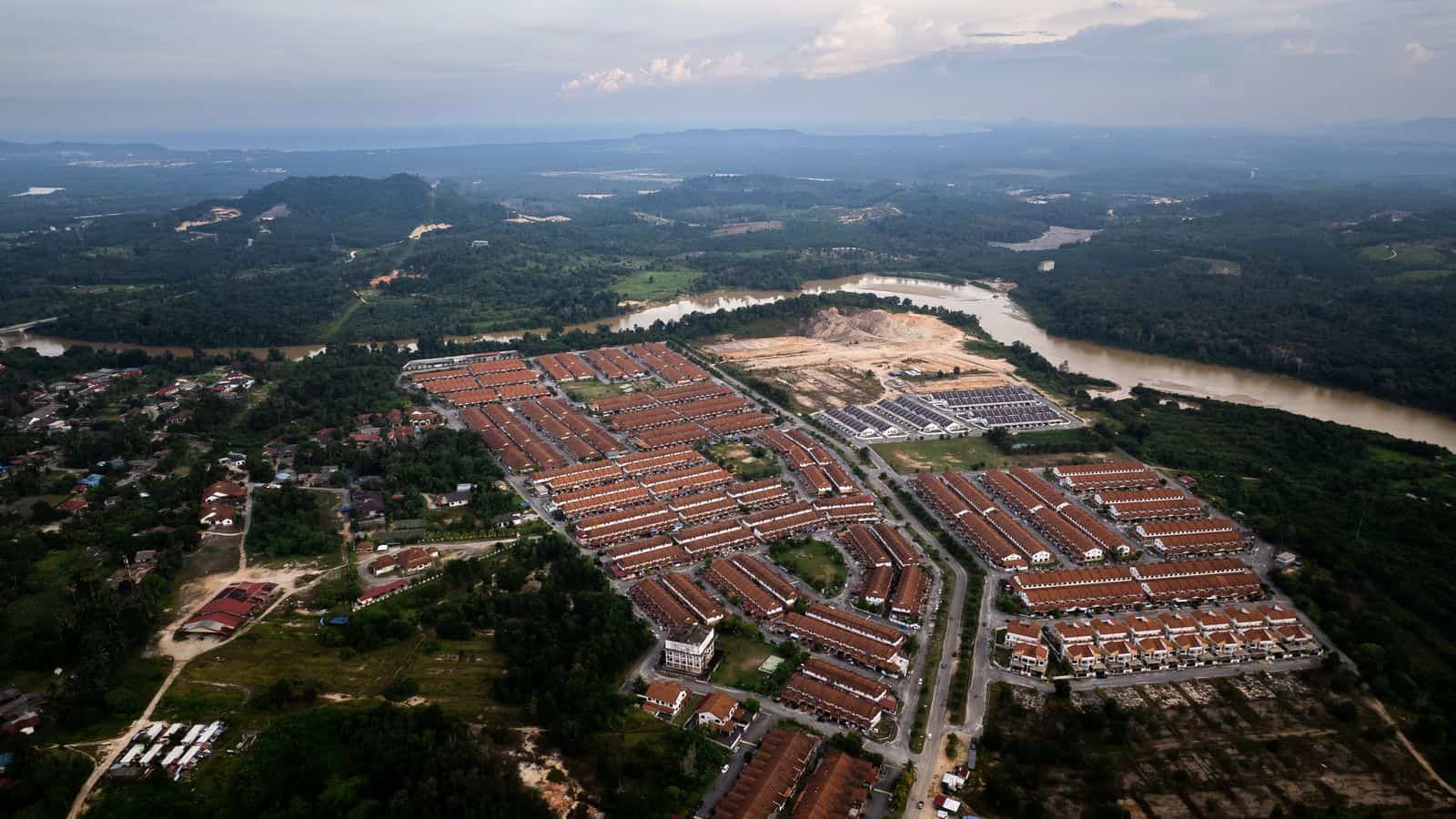
A build-to-rent community, often shortened to BTR, is an entire subdivision of houses that was designed from the ground up to be leased rather than sold to individual buyers. Instead of a builder selling homes one at a time to owner-occupants and a scattered mix of investors, a single company builds the whole street, keeps the deeds, and rents every door under one management office. The homes usually look like standard detached houses or attached townhomes, but the neighborhood behaves more like a horizontal apartment complex, with a leasing team, a maintenance crew, and shared amenities such as a pool, a dog park, or a small clubhouse.
For decades this was a niche corner of housing. The share of single-family homes built specifically for rent hovered in low single digits nationally for most of the 1990s and 2000s. That has changed sharply. The National Association of Home Builders now tracks single-family built-for-rent starts at a share several times higher than the long-run historical average, driven by high mortgage rates that keep would-be buyers renting longer. You can read the association’s ongoing analysis of the trend on the NAHB single-family built-for-rent research page, which breaks the numbers down quarter by quarter.
Las Vegas sits near the center of this shift. The valley has the two ingredients BTR builders want most, which are plentiful developable desert land on the northern and eastern edges and a steady stream of new residents who arrive without local equity and need to rent first. That combination is why so much of the current construction pipeline is concentrated in North Las Vegas and the outer rings of Henderson.
Where Build-to-Rent Is Growing in the Las Vegas Valley
The pattern of BTR growth follows the pattern of raw land. North Las Vegas has become the clearest example, because master-planned areas along the northern edge still have room for full new subdivisions rather than infill lots. Builders can assemble enough contiguous land there to lay out an entire rental community with its own entry, amenity center, and street grid. Outer Henderson tells a similar story, with rental-oriented projects appearing in the newer master plans on the east and southeast side where growth is still pushing outward toward the county line.
Southwest Las Vegas and the Enterprise area have also drawn interest, though land there is more expensive and lots are smaller, so those projects lean toward attached townhome formats rather than detached houses. Established core neighborhoods such as Summerlin and central Henderson see far less of this, simply because there is no longer room to build a whole subdivision at once and land prices do not pencil for a rental yield.
National operators that specialize in single-family rentals have been active buyers and builders in these submarkets. The important nuance is that recent federal policy discussion about limiting investor purchases has aimed mostly at companies buying up existing for-sale homes, while purpose-built rental communities have generally been treated as new supply and carved out of those concerns. That distinction matters for the local market, because it means the BTR pipeline is likely to keep filling even as scrutiny of investor buying of resale homes increases.
How Build-to-Rent Pressures Individual Landlords
If you own one or two rental houses in the valley, a new BTR community down the road is a competitor with advantages you cannot easily match. Understanding those advantages is the first step to protecting your own occupancy and rent.
- Scale on maintenance. A BTR operator running hundreds of nearly identical homes can staff its own maintenance crews, negotiate bulk pricing on appliances and flooring, and turn a unit fast. A single-owner landlord pays retail for every repair and every make-ready.
- Professional leasing and marketing. These communities have full-time leasing offices, polished websites, and advertising budgets. A private landlord relying on one listing photo set competes against a brand.
- Amenities under one roof. A pool, a gym, a dog park, and gated entry come standard in many BTR projects. An individual house rarely offers any of that.
- Consistent product. Renters know exactly what they will get. New finishes, a builder warranty on major systems, and predictable floor plans reduce the guesswork that comes with an older privately owned home.
None of this means the individual landlord loses. It means the individual landlord has to compete on the things BTR cannot replicate, which are location inside an established neighborhood, mature landscaping and larger lots, a personal and responsive relationship with the tenant, and flexibility on lease terms, pets, and small custom requests that a corporate policy will not allow. A well-kept house on a quiet street in a proven area still leases, and often to a tenant who specifically does not want to live in a large managed community.
Pricing is where the pressure shows up first. When a BTR community opens nearby and offers a move-in special, it sets a visible ceiling on what a comparable private rental can ask. This is the same supply dynamic that plays out when large apartment projects deliver, which we covered in our look at how new apartment supply affects Las Vegas rents. The lesson carries over. When new professionally managed inventory hits a submarket, private owners who ignore it and hold out for last year’s rent are the ones who sit vacant.
What Build-to-Rent Offers Renters
From the renter side, BTR fills a real gap. For years the choice in Las Vegas was roughly binary. You could rent an apartment with professional management but shared walls and little private outdoor space, or you could rent a house from an individual owner and gain a yard and a garage while taking your chances on how responsive that owner would be. Build-to-rent blends the two.
A BTR resident typically gets a detached or semi-detached home with a private entrance, a yard, and a garage, paired with the service standards of a managed community. Repair requests go through an online portal and a staffed maintenance team rather than a single owner who may be traveling or slow to answer. The tradeoff is less flexibility. Corporate lease terms tend to be firmer, pet rules and fees are set by policy, and there is little room to negotiate a custom arrangement. For families who plan to stay put for several years and value stability and predictable service, that tradeoff often makes sense, which is part of why occupancy in stabilized BTR communities tends to run high.
Renters weighing their options can find it useful to think about which property type actually fits their life before touring anything. We break that decision down in our guide to Las Vegas rental demand by property type, which compares apartments, condos, and single-family homes across cost, space, and lifestyle.
How Should a Small Landlord Respond to the Build-to-Rent Wave
Treating BTR as a threat you cannot influence is the wrong frame. Treat it as a benchmark that tells you exactly what today’s renter can get for their money, then position your property against it. Here is a practical sequence.
- Scout the nearby communities. Find any BTR project within a few miles of your rental. Note their advertised rent, their concessions, their pet policy, and their amenity list. That is your live comparison set.
- Price to the real market, not to memory. Set your asking rent against what a renter can actually get next door this month. Overpricing by even a small margin against a heavily marketed competitor can add weeks of vacancy that erase the extra rent you hoped to capture.
- Lean into what you uniquely offer. Highlight the larger lot, the mature trees, the established school zone, the quieter street, and the ability to talk to a real decision maker. Make those advantages the center of your listing.
- Close the service gap. The biggest complaint about private landlords is slow response. Fast, documented repairs and clear communication are the one BTR advantage you can neutralize completely on your own.
- Reassess your submarket choice over time. If you are buying more rentals, understand that the northern and eastern growth edges will carry the heaviest BTR competition, while more built-out areas face less of it.
Owners deciding where to add doors often compare the two biggest rental submarkets head to head. Our breakdown of Las Vegas versus Henderson for rental investment is a useful starting point when you are trying to figure out which side of the valley matches your strategy and your tolerance for new-supply competition.
Frequently Asked Questions About Build-to-Rent in Las Vegas
Are build-to-rent homes cheaper to rent than a private house
Not necessarily. BTR homes are usually new construction with amenities, so their headline rent can sit at or above a comparable private home. What they often lead with is move-in concessions such as a free month or waived fees, which lowers the effective first-year cost. A well-priced private home with lower fees and a flexible owner can still compete on total cost.
Does build-to-rent lower home values in the surrounding area
There is no clear evidence that a professionally managed new community drags down nearby values, and in many cases the added amenities and consistent upkeep help. What it does affect is the local rental ceiling, because a large block of managed inventory anchors what renters expect to pay. That matters more to landlords setting rent than to owner-occupants worried about resale.
Can an individual investor buy a home inside a build-to-rent community
Usually not in the early phases, because the builder holds the entire community to rent it rather than sell it. Some projects eventually sell homes individually, but the core BTR model keeps ownership consolidated. Individual investors tend to compete against these communities rather than buy into them.
Will build-to-rent keep expanding in the valley
The forces behind it, which are high mortgage rates keeping renters renting, plentiful land on the growth edges, and steady in-migration, are all still in place. As long as buying stays out of reach for many households, purpose-built rental communities will keep filling the gap, especially in North Las Vegas and outer Henderson.
The Bottom Line for Owners and Renters
Build-to-rent is not a passing fad in Las Vegas. It is a structural response to a housing market where many households need a house to live in but cannot yet buy one. For renters, that means a genuinely new option that pairs a yard and a garage with professional management and predictable service. For individual landlords, it means a sophisticated, well-funded competitor is now setting the price and the service expectation in many submarkets, and the winning move is to price honestly, respond quickly, and sell the things a corporate community can never offer.
If you own rental property in North Las Vegas, Henderson, or anywhere the BTR wave is reshaping your competition, our team can help you benchmark your home against the new supply, set the right rent, and deliver the fast, professional service that keeps good tenants in place. Reach out to the IRES property management team to request a consultation and a straight assessment of how your property stacks up in today’s market.
For the full scope of how we manage Las Vegas rentals end to end, see our property management services.
Need Help Managing Your Las Vegas Rental?
IRES takes the stress out of property management. Whether it’s tenant screening, lease enforcement, rent collection, or just getting your time back, we’ve got you covered.
Call us: 702-478-2242
Email: brandy@iresvegas.com
Or visit our Contact page
This article provides general information about Nevada landlord-tenant law and federal fair housing requirements and should not be considered legal advice. For specific legal questions, consult a licensed Nevada attorney.