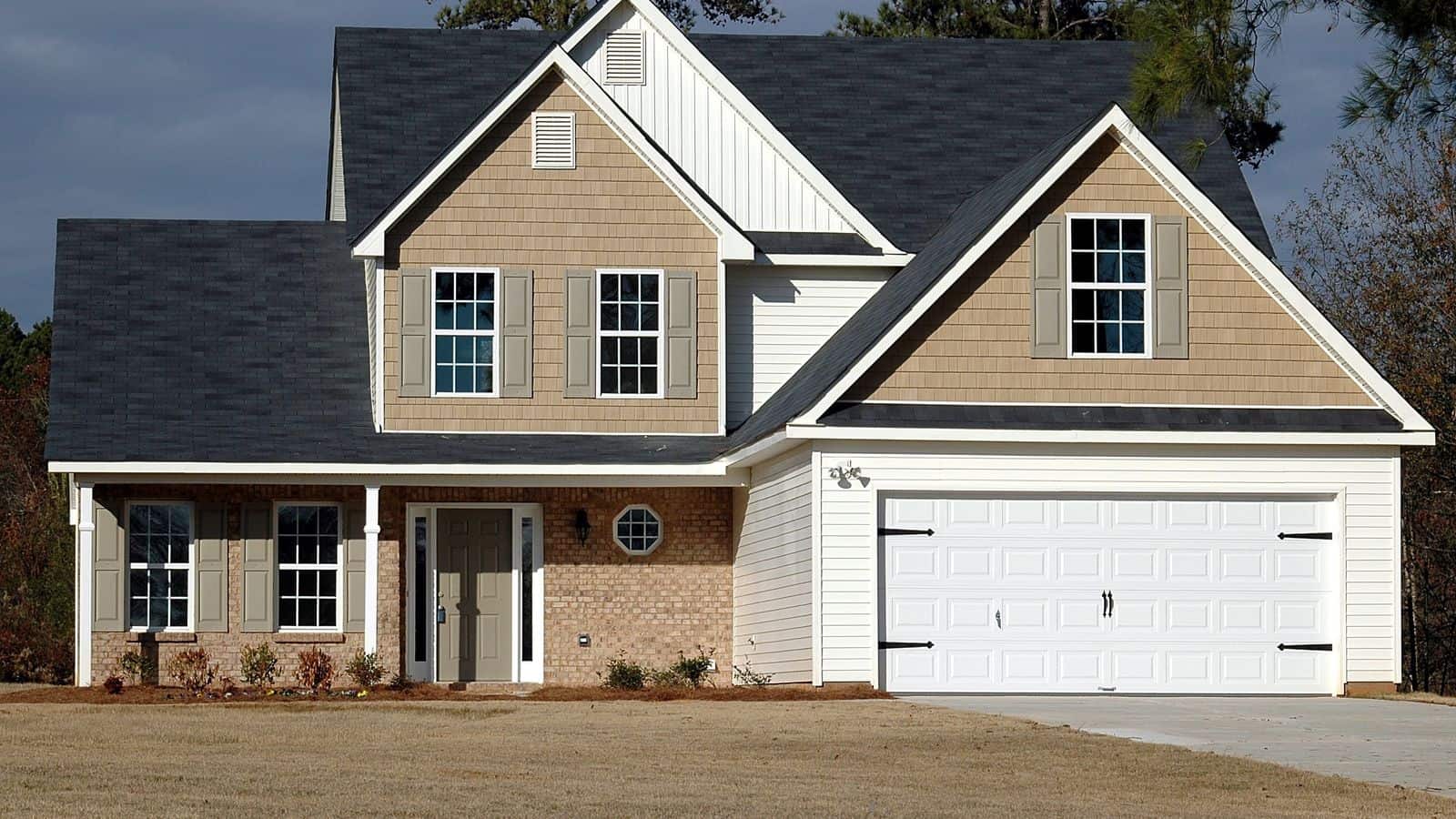
Renting a house and renting an apartment are two very different ways to live in Las Vegas, and the gap goes far beyond square footage. The valley gives renters a genuine choice here that many cities do not, because master-planned communities in Summerlin, Henderson and the southwest pushed thousands of single-family homes into the rental pool alongside the usual towers of apartments and mid-rise complexes. Deciding between the two comes down to how you weigh space, cost, privacy and responsibility, and the right answer changes depending on your stage of life and your budget.
Space and privacy, the most obvious divide
A rental house gives you room that an apartment rarely matches. You typically get more bedrooms, a private yard, a two-car garage, and walls you share with no one. For families, pet owners and anyone who works from home, that extra space and quiet is the headline benefit. A fenced backyard in the Las Vegas heat means a dog has somewhere to go, kids have somewhere to play, and you have somewhere to put a grill without negotiating with a property manager.
An apartment trades space for a tighter, lower-maintenance footprint. You share walls, and sometimes floors and ceilings, with neighbors, which means noise is a real variable. The upside is that everything is contained and manageable, which is exactly what a lot of single renters, couples and short-term residents want. In a valley where summer afternoons regularly clear 105 degrees, the smaller envelope of an apartment is also simply cheaper and faster to cool.
The cost comparison runs deeper than rent
Headline rent usually favors the apartment. A comparable apartment will almost always carry a lower monthly base rent than a single-family house in the same area, and that difference is the starting point for most renters’ decisions. Las Vegas one-bedroom apartment rents have generally clustered in the low-to-mid one-thousand-dollar range in recent reporting, while a three-bedroom rental house commands considerably more. If your priority is the lowest possible monthly housing payment, the apartment wins the sticker comparison.
The fuller picture includes utilities, and here the house costs more to run. Cooling a large single-family home through a Las Vegas summer is far more expensive than cooling an apartment, and apartments are also more likely to bundle one or more utilities into the rent. Houses bring extra line items too, such as landscaping or pool service if those are your responsibility under the lease, plus higher water bills if you are watering a yard. The independent guide from MYMOVE on the pros and cons of renting a home lays out how these utility and maintenance differences stack up, and the pattern holds strongly in the desert climate here.
To compare two real options properly, do not stop at rent. Add expected summer cooling costs, any yard or pool maintenance, and the utilities each place includes or excludes. Build the full monthly number for each, then compare. A house that looks only a few hundred dollars more on paper can cost meaningfully more once a July power bill lands. Our breakdown of average rent by bedroom in Las Vegas helps you anchor the rent side of that calculation by unit size.
Maintenance and who carries it
This is where the two paths diverge in daily life. In an apartment, the property management team handles almost everything. A broken air conditioner, a leaking faucet, a failed appliance, all of it goes to a maintenance request and someone else fixes it. That hands-off arrangement is one of the strongest reasons people choose apartment living, especially renters who travel for work or simply do not want the burden.
A rental house spreads more responsibility onto you, and the exact split depends entirely on the lease. Many single-family rentals make the tenant responsible for yard upkeep, pest control, changing air filters and minor repairs, while the landlord covers major systems. Some leases push more onto the tenant than that. Read the maintenance and responsibility clauses closely before signing a house lease, because the difference between a tenant-pays-landscaping clause and a landlord-pays one is real money every month in a valley where lawns and desert landscaping both need attention.
Amenities, the apartment advantage
Las Vegas apartment complexes compete hard on amenities, and that is a genuine draw. Resort-style pools, fitness centers, gated entry, covered parking, dog parks and clubhouses come standard at many properties, and you get all of it without maintaining any of it. For renters who value a pool they never have to clean and a gym they never have to equip, the apartment package is hard to beat.
A rental house gives you private versions of some of these, but you maintain them. A private pool is a luxury in the desert and a responsibility at the same time, since pool service in Las Vegas is a recurring cost that often lands on the tenant. Weigh whether you want shared amenities maintained by someone else or private ones you manage yourself. Neither is automatically better, but they are very different lifestyles.
Lease flexibility and length
Apartments tend to offer more flexible lease terms, including shorter leases and sometimes month-to-month options once your initial term ends, which suits renters who are unsure how long they will stay. Single-family rentals more often expect a longer commitment, because individual landlords prefer the stability of a tenant who stays put. If you are not certain about your time horizon in the valley, that flexibility difference matters, and our comparison of a month-to-month versus annual lease in Nevada walks through the tradeoffs of each commitment level.
The Las Vegas context that shapes the choice
What makes this comparison so live in Las Vegas is the sheer volume of single-family homes that ended up as rentals. The master-planned boom in Summerlin, the southwest, Henderson and Skye Canyon produced tens of thousands of houses, and a large share of them are owned by investors and individual landlords who rent them out. That means a renter here has a real shot at a detached home with a yard, which is not the case in many dense cities where renting almost always means an apartment. The valley genuinely offers both ends of the spectrum at scale.
Climate sharpens every part of the decision. The summer cooling load on a large house is the single biggest reason the cost gap between a house and an apartment widens past what the rent alone suggests. A two-story home with high ceilings and lots of glass can run a power bill several times what a one-bedroom apartment costs to cool in July and August. Water is the other desert factor. A yard, especially one with grass rather than desert landscaping, adds a water bill and often a landscaping responsibility that an apartment dweller never thinks about. Pools, common in Las Vegas rentals, are a luxury and a recurring cost rolled into one.
Location patterns differ too. The newest, most amenity-rich apartment complexes cluster in the southwest, around Henderson, and near the 215 beltway, while rental houses spread across the master-planned suburbs. If you want to be close to the Strip or the medical district for work, the apartment supply is denser and closer in, whereas chasing a house with a yard usually means moving further out. Weigh the commute that comes with each, because a cheaper house far from work can cost you in gas and time what you saved on rent.
Common mistakes renters make choosing between the two
The biggest mistake is comparing advertised rents and stopping there. A house that lists only a few hundred dollars above an apartment can cost far more once you add summer cooling, water, landscaping or pool service, and any maintenance the lease assigns to you. Always build the full monthly number for both before deciding, not the headline rent.
The second mistake is underestimating the maintenance burden of a house. Renters picture the freedom of a yard and forget that, depending on the lease, they may be the ones mowing it, controlling pests, changing filters and handling minor repairs. Read the responsibility clauses closely, because a tenant-pays-everything house lease is a very different deal from one where the landlord covers upkeep. The reverse mistake happens with apartments, where renters discount how much shared walls and shared parking can affect daily life until they are living with a loud neighbor or hunting for a space at night.
A third error is mismatching the choice to the timeline. Signing a long house lease for a stay you are not sure about leaves you exposed if plans change, while taking a cramped apartment when you are clearly settling in for years can mean years of feeling boxed in. Be honest about how long you expect to stay, because that single answer points more clearly toward house or apartment than almost any other factor.
Which one fits your life
Choose an apartment if your priorities are a lower monthly cost, minimal maintenance, built-in amenities and flexible lease terms, or if you are a single renter, a couple, or someone staying in Las Vegas short term. The apartment lifestyle is built for people who want housing to be simple and contained, and the valley has an enormous supply of well-amenitized complexes to choose from.
Choose a house if you need space, want a yard for kids or pets, work from home, are bringing a household of furniture, or plan to stay for years. The higher rent and utility costs and the added maintenance are the price of room, privacy and a place that feels like your own. Families and long-term residents are the natural fit for single-family rentals, and the master-planned suburbs of Henderson and the southwest are full of them.
Furnishing, neighborhood and the full move-in picture
Once you know whether you want a house or an apartment, two more questions shape your real cost and comfort. The first is whether to rent the place furnished or empty. Houses are far more often rented unfurnished, while a slice of the apartment and condo market, especially near the Strip, comes furnished for the short-stay crowd. If you are weighing a move-in-ready unit against bringing your own household, our comparison of furnished versus unfurnished rentals in Las Vegas walks through the lifetime math so you do not overpay for convenience you do not need.
The second question is location. The same house or apartment can be a great deal or a poor one depending on the part of the valley it sits in, what your commute looks like, and how the area fits your lifestyle. A larger house far out can erase its rent savings in gas and time, while a pricier apartment close to work can pay for itself in the hours it gives back. Before you commit to either format, match it to the right pocket of the valley using our renter neighborhood guide for Las Vegas, which compares areas on price, commute and the feel of each community.
Pets are worth a separate thought here, because they push many renters toward houses. A fenced yard makes a dog far easier to keep, and house landlords are sometimes more flexible on larger breeds than apartment complexes with strict weight limits. Apartments can absolutely work for pet owners, but the pet rent, deposits and breed restrictions stack up, so price the true cost of keeping your animal in each option rather than assuming an apartment is cheaper for a pet household.
How to make the final call
Start with your timeline and your household. A short stay or a solo move points strongly toward an apartment, while a family settling in for years points toward a house. Then build the true monthly cost of each finalist, rent plus utilities plus any maintenance the lease assigns to you, and compare those full numbers rather than the advertised rent alone. Finally, weigh the things that are not on the spreadsheet, the value of a quiet yard against the value of a pool you never clean, the freedom of a flexible lease against the room of a four-bedroom home.
There is no universally correct answer, only the one that fits where you are right now. Las Vegas gives renters real choice on both ends of the spectrum, so take the time to compare honestly and you will land in a home that matches both your budget and the way you actually want to live.