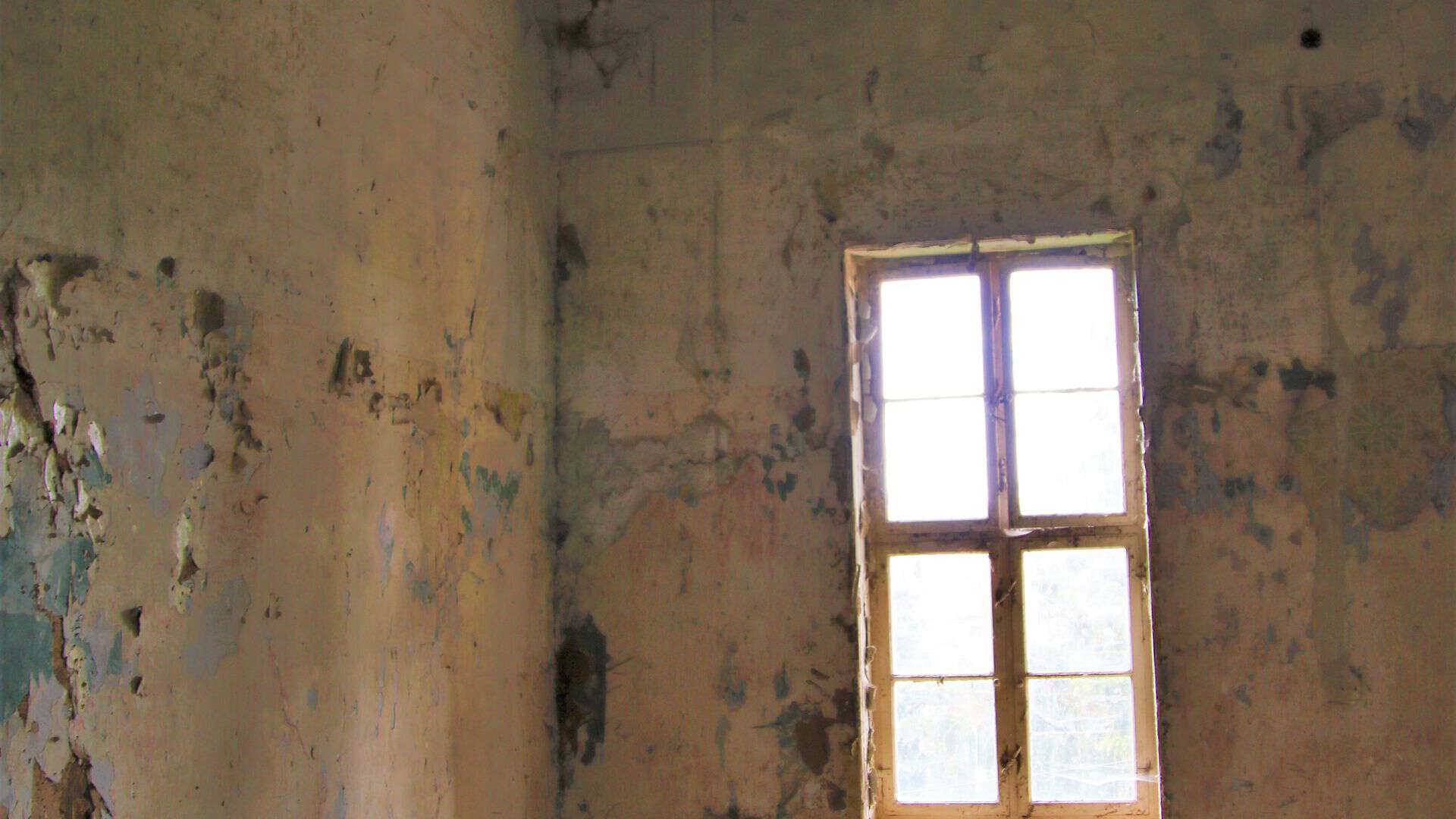
The move-out inspection is over, the tenant is gone, and you are standing in your rental looking at damage. Maybe it is pet urine soaked through the carpet and into the slab. Maybe it is a bathroom that flooded because someone ignored a leak for months, or doors punched through, or a kitchen that looks like it hosted a demolition party. The question every owner asks in that moment is the same one. Who pays for this, and through which door do I chase the money?
There are three doors most owners think about. The security deposit, your landlord insurance policy, and the courthouse. They are not interchangeable, they have different costs and different odds, and using the wrong one for the wrong size of loss is one of the most expensive unforced errors in landlording. Filing a $3,000 insurance claim can cost you more in future premiums than it pays today. Suing a tenant with no assets wins you a piece of paper. There is also a fourth door, and it only exists if you built it into the lease long before any of this happened.
Here is the decision tree we run when a managed property turns up damaged, from documentation through recovery.
First, Establish What Is Actually Damage
Before any dollar figure, separate damage from wear. Nevada law lets you recover for damage a tenant caused beyond normal wear and tear, and nothing else. Faded paint, worn carpet in traffic paths, and small nail holes are the cost of doing business. Burns, gouges, broken fixtures, and pet destruction are damage. The line matters legally and practically, and we drew it in detail in normal wear and tear vs tenant damage in Nevada.
Then document like the money depends on it, because it does. Photograph and video everything before any cleanup begins, wide shots to establish the room and close-ups to establish the specifics, all timestamped. Pull your move-in condition report and photos, because damage is proven by comparison, and an owner with dated before-and-after documentation wins arguments that an owner with memories loses. This is the payoff moment for the discipline we preach in our guide to move-in and move-out inspections.
Get written repair estimates from real vendors, not guesses. Two estimates on anything substantial. These become your deposit itemization, your insurance proof of loss, or your small claims exhibit, and often all three.
Age matters as much as condition, and this is where owners lose money they thought they had earned. A carpet destroyed at year six of a ten-year useful life is not a full replacement charge against the tenant, it is the remaining value that was destroyed. Adjusters apply that logic, courts apply it, and a deposit itemization that ignores it invites a challenge you will lose. Build a simple useful-life schedule for the components that get damaged most, meaning flooring, paint, blinds, appliances, and countertops, and apply it consistently across every property you own. Consistency is what makes the number defensible.
Keep a running total of lost rent from day one as well. If the unit cannot be leased for three weeks while flooring is replaced, that is a real loss caused by the damage, and it belongs in your itemization and any court filing. Owners routinely chase the visible repair cost and forget the vacancy that the repair created.
Door One, the Security Deposit
The deposit is always the first dollar of recovery because it is money already in your hands. Nevada requires you to send an itemized written accounting within 30 days of the tenancy ending, with deductions limited to unpaid rent, cleaning the tenant owed, and damage beyond normal wear. Blow the 30-day deadline and you can end up owing the tenant regardless of what they did to the property. The mechanics and the traps are laid out in Nevada security deposit laws.
The deposit’s limitation is arithmetic. It is capped at three months of rent and most owners hold far less, typically one month. One month of rent covers paint, cleaning, and modest repairs. It does not cover flooring throughout, cabinet replacement, or water damage remediation. When the estimates exceed the deposit, the deposit still gets applied first, and the itemization should show the full damage total, the deposit credited against it, and the balance owed. That documented balance is what you carry through the next two doors. For the specific question of whether serious damage changes your refund obligations, see whether you must return the deposit when a tenant damaged the property.
Send the itemization properly and keep proof that you did. Use the last known address the tenant gave you, send it in a way that produces a record, and keep the copy with the photos and estimates attached the way you sent them. A large share of deposit disputes are not really about the deductions at all, they are about a tenant claiming they never received anything and an owner with no way to show otherwise. The 30-day clock is unforgiving enough that this should be a calendared task, not something that happens when the vendor invoices finally arrive.
Door Two, Your Landlord Insurance Policy
This is where owners make their costliest mistakes in both directions, filing claims they should not and failing to file ones they should. Start with what a typical landlord policy actually covers. Sudden and accidental physical loss is the core, fire, water discharge from a burst line, vandalism if your policy includes it. What most policies exclude is exactly what most move-out damage is, gradual deterioration, pet damage, and general tenant abuse and neglect accumulated over a tenancy. The carpet destroyed by a dog over two years is usually not a covered loss. The kitchen destroyed by a kitchen fire is. We cover policy structure in landlord insurance in Nevada.
Malicious tenant damage sits in a gray zone worth understanding before you need it. Some landlord policies cover vandalism by tenants, many exclude it or cap it, and the distinction between malicious damage and neglect gets argued in adjusters’ offices every day. Read your policy’s vandalism and tenant damage language now, not after a loss.
Two other policy features decide how much you actually collect, and both are worth checking on a quiet afternoon rather than a bad one. The first is whether your coverage settles on replacement cost or actual cash value, because an actual cash value policy pays the depreciated worth of a twelve-year-old roof or an eight-year-old carpet, which can be a fraction of what the replacement costs. The second is fair rental value coverage, which pays the rent you lose while a covered loss is being repaired. Owners who never checked often discover both answers at the worst possible time, and the premium difference between the right structure and the wrong one is usually smaller than a single bad claim.
Then run the claim math coldly. Take the covered damage estimate, subtract your deductible, which on Las Vegas landlord policies commonly runs $1,000 to $5,000, and weigh the net payout against the premium consequences. Claims stay on your loss history for years, and in the current insurance market a single claim can raise premiums enough to swallow a small payout, or worse, complicate renewal. Our working rule is that damage within roughly double the deductible is almost never worth filing. A $4,000 loss on a $2,500 deductible is a deposit-and-court problem, not an insurance problem. A $25,000 fire is an insurance problem, immediately.
If you do file, act like a professional claimant. Report promptly, mitigate further damage because policies require it, and submit your documentation package rather than waiting to be asked. The nonprofit United Policyholders publishes excellent free guidance on presenting and negotiating property claims, and their claim guidance library is worth reading before your first conversation with an adjuster. Do not accept a first offer that does not match your estimates without pushing back in writing, politely, with your documentation attached.
What Nevada Requires of Your Carrier Once You File
Owners tend to treat a claim as something that happens to them at whatever pace the carrier chooses. Nevada’s insurance regulations say otherwise, and knowing the standards changes how you handle a slow file. Under the state’s claims-handling rules, an insurer has to acknowledge receipt of a claim notice within 20 working days unless it simply pays the claim in that window. Within 30 working days after receiving properly executed proofs of loss, the insurer has to tell you whether the claim is accepted or denied. A denial has to be in writing and has to identify the specific policy provision, condition, or exclusion it rests on. If the claim is accepted, payment is due within 30 days of acceptance. And if the investigation is still open, the insurer owes you a letter at 30 days from your initial notification and every 30 days after, explaining why more time is needed.
Two practical consequences follow. First, dates are leverage, so log them. Write down the date you gave notice, the date you submitted your proof of loss, and the date of every substantive communication, and keep the emails. Second, the clock that matters most starts when a properly executed proof of loss goes in, so submit one deliberately, complete, with your photos, estimates, and inventory attached, rather than letting a file drift along on informal phone calls and partial documents.
When a claim stalls, a short written note referencing the acknowledgment and response standards and asking for a status letter usually restarts it without any drama. If that does not work, the Nevada Division of Insurance accepts consumer complaints and carriers respond to them. None of this makes an excluded loss covered, and none of it is a substitute for reading your policy. It simply means you are not required to wait indefinitely and wonder.
Door Three, Small Claims Court
Whatever the deposit and insurance did not cover, the former tenant still legally owes. In Clark County, small claims handles disputes up to $10,000, filing costs are modest, and you do not need a lawyer. With move-in and move-out documentation, estimates or paid invoices, and your itemization letter, landlord damage cases are very winnable.
If your loss runs past the small claims ceiling, you are not out of options, you are in a different courtroom. Nevada justice courts hear civil claims for money up to $15,000, with district court above that, so a $13,000 loss belongs in a justice court civil case rather than small claims and a $40,000 fire loss belongs in district court. Cases are filed in the township where the defendant lives, works, or does business, which for most Las Vegas tenancies means the justice court covering the area the tenant moved to rather than the one covering your rental.
Watch your deadlines. Nevada’s limitation periods give you six years to sue on a written contract, which a lease is, and three years for injury to property. Those are different clocks on the same facts, which is one reason a well-drafted lease that makes the tenant responsible for damage is worth having, because the contract theory gives you the longer runway. Six years feels like forever right up until a file sits in a drawer for four of them.
The honest caveat is collection. A judgment is not money, it is permission to pursue money, through wage garnishment or bank levy if you can find the assets. Against a tenant with steady casino or healthcare employment, garnishment makes judgments worth chasing. Against a tenant who left no forwarding address and works cash jobs, you may spend effort to own uncollectible paper. Many owners file anyway on principle and because judgments follow people onto screening reports, which is a service to the next landlord. That is a legitimate choice as long as you make it with open eyes.
One caution. If the insurance carrier paid you for a loss, the carrier usually owns the right to pursue the tenant for that amount through subrogation. You cannot recover the same dollars twice, so sue only for your uncompensated losses, the deductible, uncovered items, and lost rent during repairs. Whether the carrier can actually pursue your former tenant is a separate and genuinely unsettled question in many places, because a residential tenant is often treated as an implied co-insured under the owner’s policy unless the lease clearly says otherwise. That is a question for your carrier and your attorney, and the answer may depend on wording you control.
The Door Most Owners Never Open, the Tenant’s Renters Policy
The cheapest recovery source in this entire process is the one that has to be set up before the damage happens. A renters insurance policy carries liability coverage that responds when a tenant negligently damages the property they live in, and the classic Las Vegas examples are exactly the losses that hurt most, an overflowed tub that soaks the unit below, a kitchen fire, a washing machine hose left connected badly. When that coverage exists, you present the claim to the tenant’s carrier and your own loss history, deductible, and renewal never enter the conversation.
Making it work requires three things and owners usually do one of them. Require renters insurance in the lease with a stated minimum liability limit rather than leaving the amount to the tenant, because the default limit a carrier issues on a cheap policy is often lower than a single water loss in a two-story home. Collect the declarations page at move-in, not a screenshot of a quote. And ask to be listed as an interested party on the policy, which is a routine request that most carriers handle, so you get notified if the policy lapses or is cancelled.
That third step is the one that separates a real requirement from a decorative one. A lease clause requiring insurance means nothing if the policy lapses in month three and nobody finds out until the ceiling comes down in month nineteen. Verify at move-in, verify again at every renewal, and treat a lapse as a lease violation to be cured rather than a detail to be noted. On managed properties this is a standing task rather than a memory exercise, and it is one of the least glamorous and highest-return habits in the business.
Understand its limits so you do not oversell it to yourself. Liability coverage responds to negligence, not to deliberate destruction, and a tenant who punched holes in doors on the way out is not a covered claim. Pet damage is frequently excluded or limited. Neglect that accumulated slowly over two years reads to an adjuster the same way it reads to yours. The renters policy is a strong door for sudden accidental damage and a closed one for everything else, which is precisely why the deposit and the courthouse still exist.
The Decision Tree on One Page
Here is the sequence compressed. Document everything before touching anything. Sort damage from wear and apply useful-life depreciation to what you charge. Apply the deposit first with a timely 30-day itemization sent in a way you can prove. If the tenant carries renters insurance and the loss was sudden and accidental, present it there before you touch your own policy. If the remaining covered loss is large relative to your deductible and your policy actually covers the cause, file the claim, submit a complete proof of loss, and hold the carrier to the response standards. If the remainder is modest or excluded, skip insurance and evaluate court based on the amount and the tenant’s collectability. And in every scenario, keep lost rent in your totals, because a month of turnover repairs is real money and it belongs in your itemization and your court filing.
The best version of this process is the one you never run at full scale. Mid-lease inspections catch unauthorized pets and slow leaks while they are small problems, which is why they are standard on managed properties, as we describe in how property managers check on a rental mid-lease. Screening is the other half, since the tenant who trashes a property usually had visible history before they got your keys.
If you are looking at damage right now or want your next tenancy documented well enough that recovery is straightforward, reach out to the IRES property management team for a straightforward consultation on protecting the property and the money.
For the full scope of how we manage Las Vegas rentals end to end, see our property management services.
Need Help Managing Your Las Vegas Rental?
IRES takes the stress out of property management. Whether it’s tenant screening, lease enforcement, rent collection, or just getting your time back, we’ve got you covered.
Call us: 702-478-2242
Email: brandy@iresvegas.com
Or visit our Contact page
This article provides general information about Nevada landlord-tenant law and federal fair housing requirements and should not be considered legal advice. For specific legal questions, consult a licensed Nevada attorney.