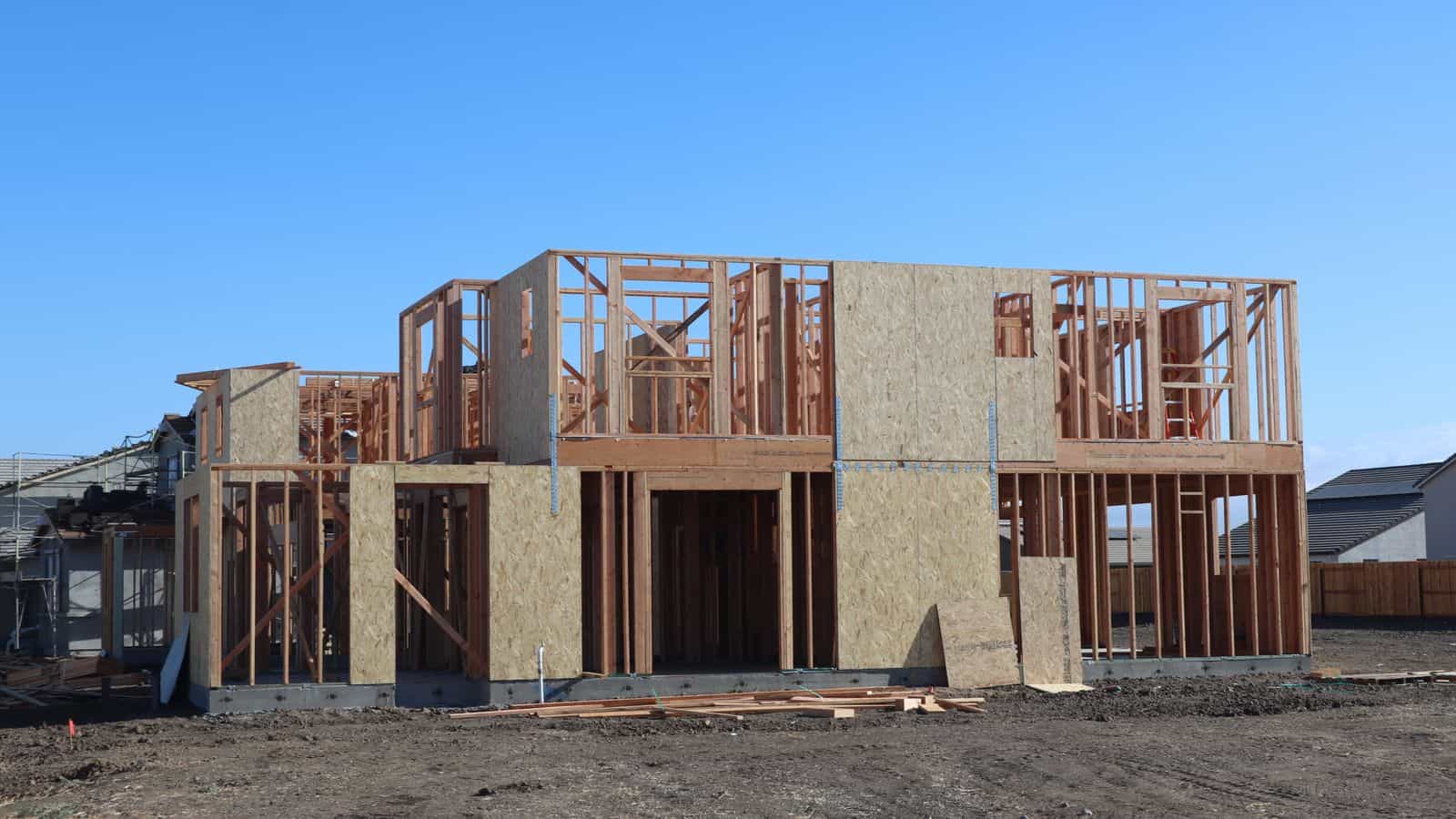
A brand new rental in a growing Las Vegas master planned community comes with something an older resale property never had, a builder warranty that covers real defects for a defined period after closing. That coverage is genuinely valuable, and it is one of the operational differences that separates new construction from a resale rental well beyond the price and financing questions most comparisons focus on. It also means the first year of managing a new construction rental runs on a different maintenance track than a normal resale property, and a Las Vegas property manager who treats a new build exactly like any other rental in year one risks either voiding coverage the owner is entitled to or fighting the builder over something that was never actually covered in the first place.
How builder warranties are typically structured
Most production builders in the Las Vegas market follow some version of a tiered coverage structure, commonly described as one, two, ten. Fit and finish items, cosmetic defects, minor drywall cracking, and workmanship issues are usually covered for the first year after closing. Major systems, HVAC, plumbing, and electrical, typically carry a longer window, often two years, covering mechanical failures tied to installation or materials rather than normal wear. Structural elements, the foundation and load bearing framing, usually carry the longest coverage, frequently ten years, reflecting how much more serious and how much later a structural defect tends to surface. The specific terms vary by builder and by the individual purchase agreement, so the first task for any manager taking on a new construction rental is actually reading the warranty document rather than assuming a standard structure applies uniformly. This is on top of the pricing dynamics already covered in our look at how new construction supply affects Las Vegas rental prices, since a new build’s warranty coverage is a separate value driver from its effect on comparable rents nearby.
Why the maintenance routing has to change in year one
On a resale property, a manager’s default move when something breaks is dispatching a trusted vendor from an established bench and handling the repair directly. On a property still inside its first year builder warranty period, that instinct can actually cost the owner money they did not need to spend. A cracked tile, a door that will not latch correctly, or a minor plumbing fitting issue that shows up in month four is very likely a builder warranty claim, not a maintenance call, and routing it to an outside vendor instead of filing a claim with the builder means the owner pays for a repair the builder was contractually obligated to handle for free.
This requires the manager to make a judgment call on every early repair request that a resale property never presents, is this a builder defect or ordinary wear, and get that judgment right consistently rather than defaulting to whichever path is fastest in the moment. A property manager unfamiliar with how new construction warranty claims work will often default to the familiar vendor dispatch process purely out of habit, which is exactly how owners end up quietly paying out of pocket for repairs that should have cost nothing during the warranty period.
Builder response timelines run slower than a vendor call
Filing a claim with a production builder’s warranty department is rarely a same day process the way dispatching a known vendor can be. Builders typically require a formal written claim, sometimes through a specific online portal, followed by an inspection visit from a builder representative before any repair work is even scheduled, and the full cycle from claim filed to repair completed can run several weeks depending on the builder’s current volume of claims across their other communities. For anything that rises to the level of a genuine emergency repair, a manager cannot simply wait on that timeline, and the same judgment call about bypassing a slower process for an urgent fix applies here just as it does with a home warranty, document everything, address the emergency first, and pursue the builder claim for reimbursement or future coverage afterward if the situation genuinely could not wait.
Documentation matters more here than on almost any other property type
A builder warranty claim lives or dies on documentation, since the builder’s inspector will be evaluating whether a defect is genuinely a construction or materials issue versus damage caused after move in, ordinary wear, or a tenant modification. This makes the very first move-in walkthrough on a new construction rental more important than the equivalent walkthrough on a resale property, since a defect noted and photographed on day one is unambiguously a builder issue, while the same defect discovered six months later invites a legitimate question about what happened in between. Preparing the property for its first tenant on a new build should include a dedicated builder warranty walkthrough, separate from the standard move-in inspection, specifically cataloging anything that might later become a claim.
Landscaping and drainage issues are common on new desert builds specifically
New construction in the Las Vegas valley carries a specific defect pattern that older resale properties rarely present, since freshly graded desert lots continue settling for months after a home is built. Soil settling around a new foundation can create drainage patterns that were not visible at the time of the final walkthrough, and a yard that drained correctly during the builder’s own inspection can develop pooling near the foundation, a sunken irrigation line, or a section of hardscape that shifts once monsoon season delivers the first real rainfall the lot has seen since construction. These issues are usually covered under the workmanship tier if they trace back to grading or installation, but they often surface for the first time months after closing, well after a tenant has already moved in, which makes it easy to mistake a builder grading issue for a maintenance problem the property simply developed on its own.
A property manager watching for this pattern specifically, rather than treating every drainage or hardscape issue as routine maintenance, catches a meaningful share of legitimate builder claims that would otherwise get repaired at the owner’s expense purely because nobody connected a six month old drainage problem back to the original construction and grading work.
HOA managed common areas run on a separate track entirely
Most new construction in Las Vegas sits inside a master planned community with its own HOA, and defects in common areas, community walls, shared landscaping, or amenity structures are typically the HOA’s claim to pursue with the developer, not an individual homeowner’s. A property manager should know where the boundary sits between what the individual unit’s warranty covers and what falls under the community’s separate developer agreement, since misdirecting a common area complaint to the wrong party wastes time on both sides and can leave a real defect unaddressed while everyone assumes someone else is handling it.
Tenant modifications can quietly void coverage
A tenant who hangs a heavy mirror without checking for a stud, drills into a wall for a shelf bracket, or makes an unauthorized change to a covered system can create damage that looks like a construction defect but is actually excluded from warranty coverage because the underlying cause was a modification made after move in. This is a strong argument for being explicit in the lease about what tenants can and cannot alter during a builder warranty period specifically, since the financial stakes of an unauthorized change are higher on a warrantied new build than they would be on an older resale property where no warranty coverage was ever in play to lose.
What happens once the first year ends
Coverage does not disappear all at once. Cosmetic and fit and finish coverage typically lapses first, shifting those categories of repair onto the normal maintenance budget, while systems and structural coverage continue running on their own longer timelines in the background. A well run transition means the manager is tracking exactly which coverage tier has expired and which is still active, rather than treating the property as either fully covered or fully uncovered, since for most of a new construction rental’s early life it is genuinely both at once, depending on what actually breaks. According to 2-10 Home Buyers Warranty, one of the larger structural warranty providers in the new home industry, this tiered coverage window is standard across most production builders, which is exactly why knowing which specific tier applies to a given repair, rather than assuming the whole warranty is either active or expired, is the detail that actually determines who pays for what during a new build’s first years as a rental.
Need Help Managing Your Las Vegas Rental?
IRES takes the stress out of property management. Whether it’s tenant screening, lease enforcement, rent collection, or just getting your time back, we’ve got you covered.
Call us: 702-478-2242
Email: brandy@iresvegas.com
Or visit our Contact Page
This article provides general information about Nevada landlord-tenant law and federal fair housing requirements and should not be considered legal advice. For specific legal questions, consult a licensed Nevada attorney.