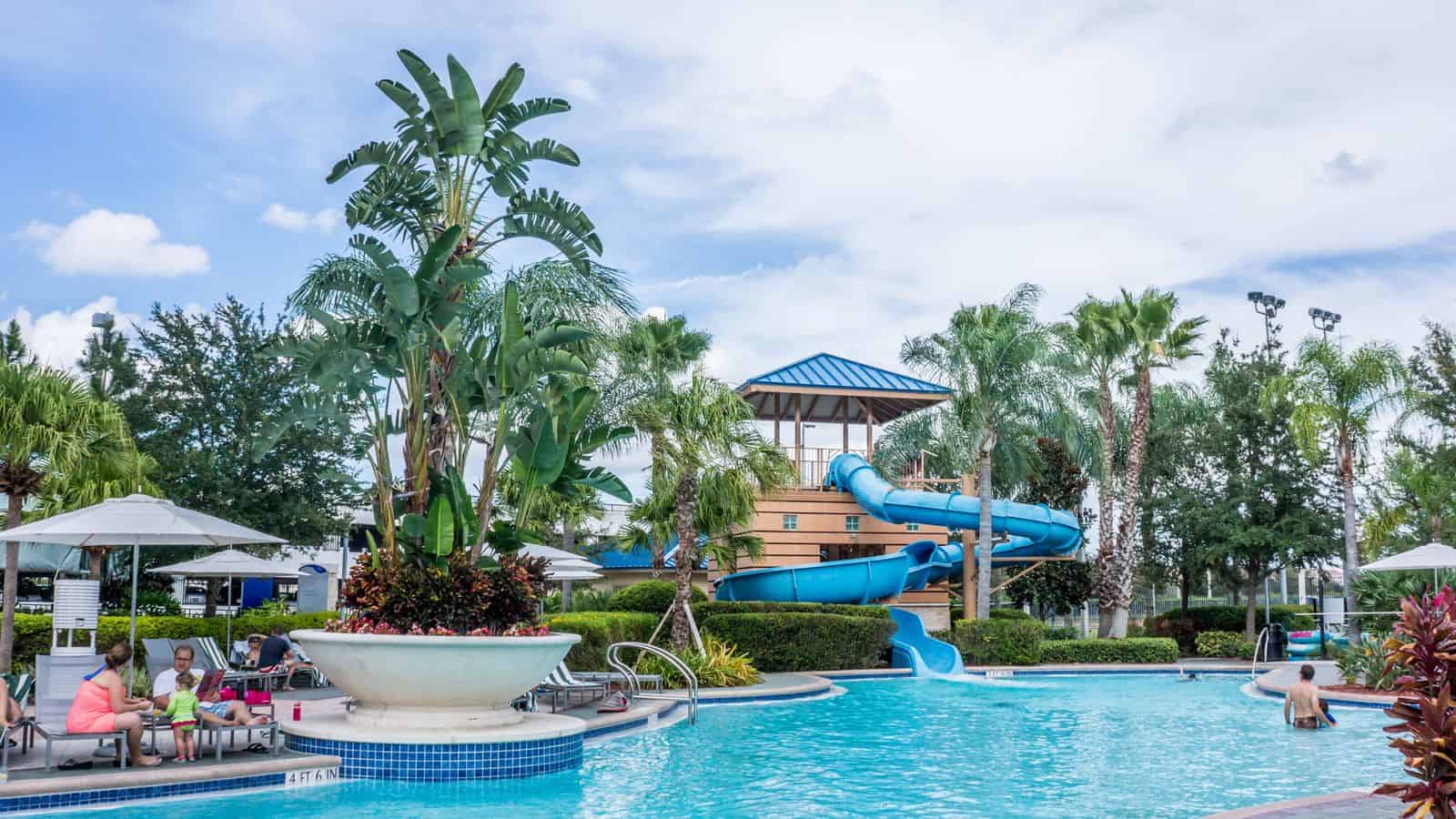
Ask any renter what sold them on their Las Vegas apartment and the pool comes up fast. In a city where summer runs hot from May into October, a community pool is not a luxury item, it is the backyard, the gym, the social hall, and the reason your out-of-town friends suddenly want to visit in July. Pool season here is longer than almost anywhere else renters live, and the communities that maintain their pools well know exactly how much that amenity is worth.
The flip side is that a shared pool comes with a rulebook, and that rulebook is not just a laminated sign on the fence. It is usually part of your lease, which means the rules carry real weight, and it exists because a pool shared by dozens or hundreds of households only stays pleasant and safe when everyone plays by the same script.
This guide walks through how pool rules actually work in a Las Vegas rental, what the common rules are and why they exist, how to handle guests and kids, where renters insurance fits, and what to do when you spot something broken. None of it is complicated, and knowing it up front makes the whole season easier.
Where Pool Rules Actually Come From
In most Las Vegas apartment communities, pool rules live in a community rules or community policies addendum attached to your lease. When you signed, you almost certainly initialed a page agreeing to follow the community rules as they exist and as they are updated, which means the pool rules are lease terms, not suggestions. Breaking them is not like jaywalking, it is a lease compliance issue, and repeated violations can put your tenancy at risk the same way any other lease violation can.
That is worth taking seriously, and it is also worth reading before you sign rather than after. The pool section of a rules addendum tells you a lot about how a community is run, from hours and guest limits to whether the pool closes seasonally or stays open year round. If you have never actually read your addendum, dig it out, and if you are apartment hunting right now, our guide on how to read a lease in Las Vegas shows you where these rules hide and what the fine print usually means.
One more thing to know. Communities typically reserve the right to update their rules, and they post changes at the pool or send them through the resident portal. The version on the sign today is the version that applies, so give it a glance at the start of each season.
The Rules You Will See at Almost Every Community
Pool rules vary in the details, but the core list is remarkably consistent across the valley, because every community is solving the same problems. Expect some version of the following almost everywhere:
- Posted pool hours, often sunrise to 10 p.m. territory, with the gate locked outside those hours.
- No glass anywhere inside the pool enclosure, since one broken bottle can force a full drain and days of closure.
- No lifeguard on duty, swim at your own risk, which is standard for apartment pools.
- Key fob or code access for residents only, with a strict rule against propping gates open or letting strangers in behind you.
- Guest limits per unit, with the resident required to be present.
- Proper swim attire, and swim diapers required for little ones who need them.
- No diving in shallow pools, no running on the deck, no pets inside the enclosure.
- No smoking, and restrictions on alcohol or large speakers in many communities.
Every one of those rules traces back to a real incident somewhere. The glass rule exists because glass on a pool floor is invisible. The gate rule exists because an unlocked pool at 2 a.m. attracts exactly the crowd you would guess. Reading the list as a set of solutions rather than restrictions makes it much easier to live with.
Guest Policies Are Tighter Than You Might Expect
The rule that surprises renters most is the guest policy. Two guests per unit is common, some communities allow more with advance notice, and nearly all of them require you to stay with your guests the entire time. On holiday weekends, expect enforcement to get noticeably stricter, sometimes with staff checking fobs at the gate, because Memorial Day and the 4th of July are when every resident plus their entire extended contact list decides it is pool day.
The logic is straightforward. The pool is sized, maintained, and insured for the residents who pay rent there, and rent is what funds the chemicals, the furniture, and the resurfacing. A community where every unit brings six guests on a Saturday stops being an amenity for residents at all. Guest limits are how management keeps the pool usable for the people it actually belongs to.
Practically, that means a few things for you. Do not hand your fob or gate code to anyone, even a trusted friend, because lending access is a violation at nearly every community and it is always traceable to your unit. If you want to host a bigger group, ask the office whether the community allows reserving a ramada or party area instead. Being the resident who follows the guest rules is also being the resident whose lease renewal conversation goes smoothly.
Kids, Supervision, and What Actually Prevents Accidents
Here is the practical heart of pool safety, and it has nothing to do with rulebooks. Apartment pools have no lifeguard, so supervision is entirely on the adults present, and the habits that actually work are specific. Keep young children within arm’s reach in the water, not just within sight. When several adults are present, name one person as the designated water watcher whose only job is watching the water, and rotate the job, because a group of adults all half-watching is functionally nobody watching. Put the phone down during your shift. A child in trouble in the water is fast and almost always silent, nothing like the splashing and shouting movies have taught us to expect.
A few more habits earn their keep. Floaties and inflatable toys are toys, not safety devices, and they are not a substitute for an adult in the water. Swim lessons are one of the better investments a renting family can make in a city with this much water access, and many valley programs run year round. Learn where the pool’s safety equipment hangs, usually a ring buoy and a shepherd’s hook, and glance at it each visit so you are not searching for it in an emergency. The risk drowning poses to young children is exactly why the CDC maintains a dedicated drowning prevention resource, and its guidance on layers of protection, supervision, barriers, and swim skills, is written for precisely the kind of shared pool most renters use.
None of this is meant to make the pool sound scary. It is meant to make the safe habits automatic, so the season stays what it should be, which is fun.
Broken Gates and Latches Need a Written Report, Today
The pool fence, the self-closing gate, and the self-latching hardware are the barrier system that keeps unsupervised kids out of the water, and they only work when they actually close and latch. When you find a gate that does not swing shut on its own, a latch that does not catch, a gap in the fence, or a gate propped open with a chair, treat it as urgent, because the barrier is doing its most important work at exactly the moments nobody is around to notice.
Report it to management the same day, and do it in writing. An email or a maintenance request through the resident portal beats a hallway conversation every time, because a written report has a date on it, creates a record that the community was notified, and tends to get faster action. Two sentences and a photo are plenty. Say what is broken, where it is, and when you noticed. If nothing changes within a day or two, follow up in writing again, and unprop any propped gate you walk past in the meantime, since that one takes zero effort and closes the barrier immediately.
This habit belongs at apartment-hunting time too. When you tour a community, work the pool area into your walkthrough, check whether the gate closes and latches behind you, and look at the general condition of the deck and furniture, because a well-kept pool area usually signals well-kept everything else. Our first apartment checklist for Las Vegas builds this kind of inspection into the tour so you evaluate the amenity you are about to pay for.
What Renters Insurance Does and Does Not Do at the Pool
Renters insurance comes up around pools mostly because people are not sure what it has to do with them. Start with the Nevada baseline. No Nevada statute requires a tenant to carry renters insurance, but a lease may lawfully require it as a condition of tenancy, and in the Las Vegas market many leases do exactly that. If your lease requires a policy, keeping it active is a lease obligation like any other.
What a policy actually does for you has two broad parts. It covers your personal belongings, which at the pool means things like the phone, the speaker, and the sunglasses that live in your pool bag, subject to whatever terms and deductibles your policy sets. It also typically includes personal liability protection, which is the part people picture when they imagine a guest getting hurt. How any specific policy responds to any specific pool incident depends entirely on that policy’s terms, so read yours or ask the carrier directly instead of assuming, and remember that the community’s pool, fence, and equipment are the property owner’s side of the equation, not something your renters policy maintains or fixes.
The honest summary is that renters insurance is not a pool product, it is a you product that happens to follow you to the pool. For what policies in this market usually cost, what they cover, and how to shop for one, our guide to renters insurance in Las Vegas covers the full picture.
Heat and Hydration Are Part of Pool Safety Here
Pool safety in Las Vegas includes the sun, because the deck in July is its own hazard category. Concrete and composite decking get hot enough to burn bare feet, especially small ones, so sandals stay on until the water’s edge and kids should be reminded every single visit. Shade is not decoration here, it is equipment, so claim an umbrella or ramada spot early and take real breaks under it.
Hydration is the sneaky one. Being in the water hides how much you are sweating, and an afternoon of swimming in dry desert heat dehydrates people who never feel hot. Bring more water than you think you need, in plastic or metal, never glass, and drink on a schedule instead of waiting for thirst. Go easy on alcohol at the pool even where the rules allow it, since alcohol plus heat plus water is a famously bad combination for judgment and balance alike. Time your visits with the sun in mind, because morning and evening swims are kinder than the 2 p.m. blast furnace, and the pool is usually emptier then anyway. If you feel dizzy, headachy, or suddenly exhausted, get out, get shade, and get water, and keep an extra eye on kids and older guests, who both run into heat trouble faster than healthy adults.
Etiquette That Keeps Pool Season Pleasant for Everyone
Beyond the posted rules, a shared pool runs on courtesy, and the etiquette is simple. Keep your music personal, either through headphones or at a volume that stays at your chair, because your playlist is nobody else’s amenity. Do not save chairs with towels for absent friends while people stand around waiting. Pack out what you brought, snacks, cups, and toys included, since the pool crew does not reset the deck hourly. Rinse off sunscreen-heavy kids before they cannonball if the community has a shower, keep an eye on how much of the shallow end your group’s floaties have annexed, and give lap swimmers their space during quiet hours. On busy weekends, rotate off the prime furniture when you leave for lunch rather than leaving a towel to hold your claim.
None of this is hard, and the payoff is real. Communities where residents handle the pool well tend to keep it open longer hours, invest in better furniture, and skip the crackdowns that follow a bad season. If a great pool scene is a genuine priority for your next move, it is worth comparing communities before you sign, and our renter neighborhood guide for Las Vegas is a good place to start scouting which parts of the valley fit the lifestyle you are after.
Pool season is one of the genuine perks of renting in this city. Know where the rules come from, follow the handful that matter most, watch the kids like it is your job, report broken gates in writing, and drink your water. Do that and the pool stays exactly what you signed up for, a backyard resort that somebody else maintains.