Your tenant texts at 9 p.m. in August to say the lights are out and the house is heating up. The first question after a power outage at your rental is whether the problem sits on the utility’s side of the meter or the house’s side. The answer decides who gets called, how fast, and who pays. A good property manager sorts it out in the first few minutes, before anyone sends an electrician to a house that simply lost service.
Is a power outage at your rental the utility’s problem or yours?
Either one, and the first job is finding out which. A utility outage means the grid has stopped delivering power to a street, a block or a neighborhood. Equipment failed, a vehicle hit a pole, or a heat wave overloaded a transformer. The utility repairs it, you do nothing but wait, and nobody bills the owner.
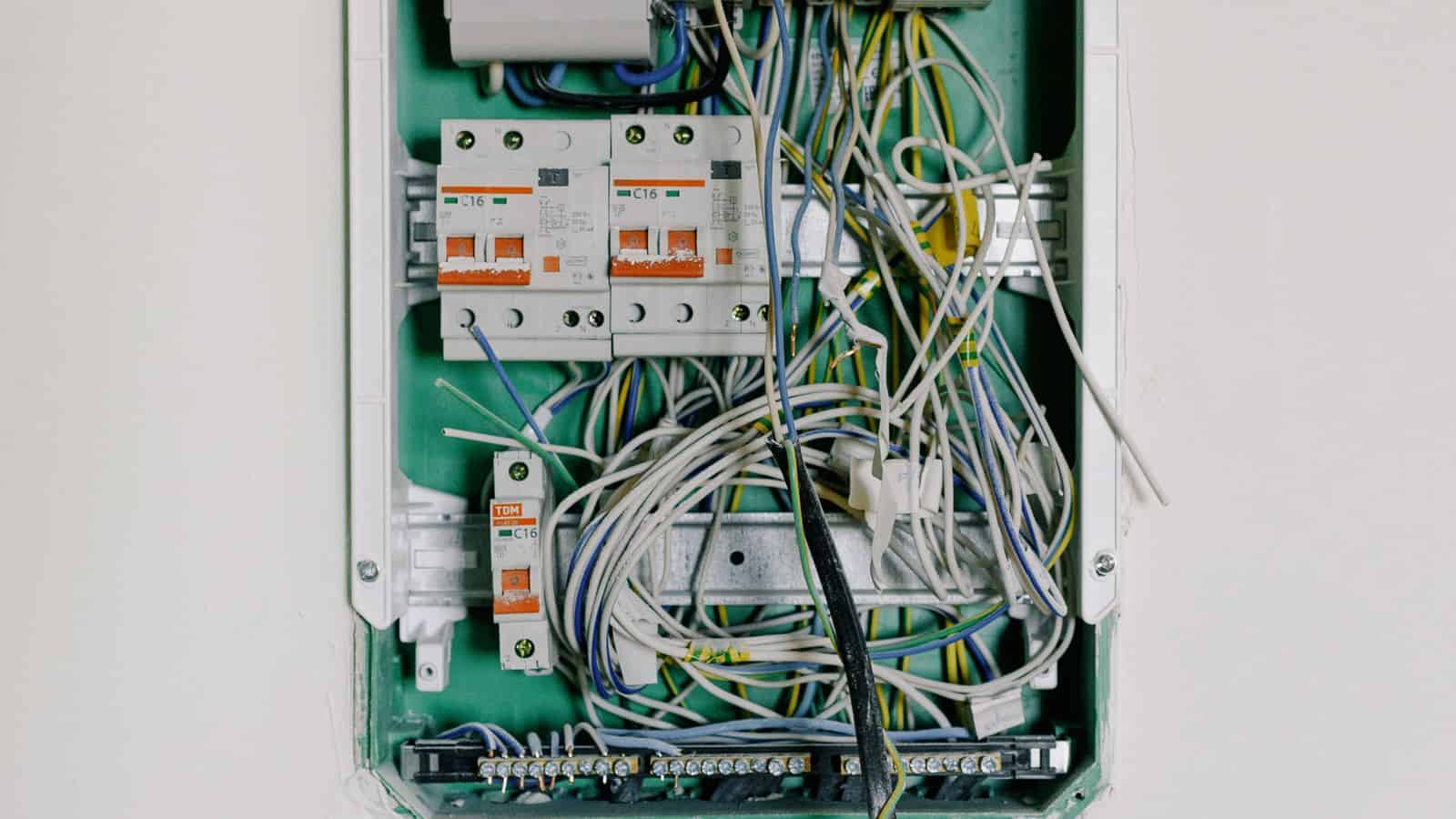
A house-side failure means power reaches the property and something inside it has stopped passing that power along. A main breaker tripped. A branch breaker failed. A ground fault outlet shut off a whole run of outlets. The meter base was damaged. That problem belongs to the home, and under Nevada law the landlord must keep it in working order.
Nevada’s landlord-tenant statute, NRS 118A.290, requires the landlord to keep the dwelling habitable during the tenancy. It lists electrical lighting, outlets, wiring and electrical equipment among the items that must be maintained in good working order. That sentence covers the house. It does not make an owner responsible for the grid.
The practical point is that the tenant cannot always tell which kind of outage it is. A reasonable tenant sees dark rooms and assumes the worst. Your manager’s job is to turn that call into a clear answer.
How can a manager tell a utility outage from a house-side failure?
Start with the neighbors. If the street is dark, the tenant sees other houses without lights, or the utility’s outage map shows an event in the area, the cause is almost certainly outside the property. The tenant can often confirm this in under a minute by looking out a window.
If the neighbors have power and the tenant does not, the cause is probably inside. The manager then asks a short set of questions, in this order.
- Is the whole house dark, or only some rooms and outlets?
- Did anything happen right before, such as a space heater, a hair dryer, an air conditioner starting or a storm?
- Is the main breaker in the panel in the off position, or does any breaker sit between on and off?
- Does the tenant smell burning, see scorch marks or hear buzzing from the panel or the outlets?
The fourth question changes everything. Burning smells, melted plastic and buzzing are not a reset-and-see situation. The tenant should stay away from the panel, and the manager moves straight to an electrician. The first three questions sort out the routine cases.
A partial outage, with some rooms dark and others fine, points to a tripped branch breaker or a failed ground fault outlet. A whole-house outage with a live street points to the main breaker, the service connection or the meter base. Each has a different fix and a different vendor.
What do house-side failures look like?
Four causes account for most calls, and a manager who knows them can talk a tenant through the first step by phone.
The first is a tripped branch breaker. An overloaded circuit cuts power to protect the wiring. A tenant can flip the breaker back to on, but if it trips again the same day, the circuit has a real problem, and repeated resetting is not a fix.
The second is a ground fault outlet that has tripped. These outlets protect kitchens, bathrooms, garages and the outdoors, and one of them can feed other outlets downstream. A dead garage outlet and a dead bathroom outlet on the other side of the house can share a single reset button. Tenants rarely know this, and a manager who does can solve the call quickly.
The third is a failed breaker. The switch looks fine, but it no longer passes power, or it will not stay on. This needs an electrician. A breaker that gets hot, smells or sits loose in the panel is a stop-and-call situation.
The fourth is the meter base and the service connection. The meter itself belongs to the utility. The box that holds it and the wiring on the house side are typically the owner’s, though the utility will say where its responsibility ends. A damaged meter base, a loose connection or a burned service wire can darken the whole house while the street stays lit. The utility often has to disconnect and reconnect service for the repair, so this one takes coordination.
How does the manager triage the call?
Speed matters, and so does order. A manager who runs the same steps every time keeps small problems small. Here is what you should expect from yours.
It logs the report with the time and the tenant’s description. It asks the sorting questions above and checks the utility’s outage information. If the cause is outside, it tells the tenant what to expect and when to call back, and it records the case number the utility gave. If the cause is inside, it decides between a tenant reset with instructions and a vendor dispatch.
The after-hours piece is where owners learn the most about a manager. Outages cluster in hot weather, on weekends and at night. Ask how your manager answers calls after hours and who decides when an electrician is sent. Our overview of how a Las Vegas property manager handles after-hours emergencies explains the usual structure, and it is a good checklist for the conversation.
Ask for a written outage procedure. It should say who the tenant calls, what the tenant is told to check, when the manager dispatches an electrician without waiting for the owner, and what spending limit applies to an emergency call.
When does the manager send an electrician?
Not every outage needs one. A tripped breaker that resets and stays on needs a note in the file. A whole-street outage needs only a log entry and a follow-up call. A manager who sends a vendor to either is spending your money for nothing.
An electrician goes out when a breaker will not reset or keeps tripping, when the tenant reports burning smells, heat or sparking, when the main breaker will not stay on, when the meter base or service wire looks damaged, or when a section of the house stays dead after a reset. It also goes out when the cause is unclear and the tenant has a household need that cannot wait.
Whether a particular outage counts as an emergency is a separate question with its own rules. Our guide to emergency repairs, what counts and how fast landlords must respond goes through the categories. For outages, a house with no power in extreme heat or cold, or a panel showing signs of burning, sits at the serious end.
When the electrician arrives, the manager should ask for a written finding. It should say what failed, what was done, and whether the fix is temporary. If the tradesperson recommends a panel replacement or a service upgrade, the manager sends you the recommendation and a quote before authorizing anything over your spending limit.
What should your tenant know during an outage?
A tenant in the dark is more likely to make a risky choice. The best managers send a short set of instructions as soon as they know it is an outage. Ready.gov publishes federal guidance on power outages, and most of what a tenant needs comes from it.
On food, Ready.gov says a closed refrigerator keeps food cold for about four hours and a full freezer holds its temperature for about 48 hours. Keep the doors shut. Food that has reached 40 degrees or higher should be thrown out, and after power returns, food exposed to 40 degrees or higher for two hours or more should go too.
On generators, the guidance says to run them only outdoors, at least 20 feet from windows, doors and attached garages, and to keep them dry. It also says gas stoves and ovens must never heat a home. Carbon monoxide detectors with battery backup belong on every level of the house. A tenant who buys a generator in a panic is a risk to the property and to the household, so ask your manager to include the warning in its outage message.
Your lease may also say whether a tenant can bring in a generator. Check it before the next summer.
What about medical devices and medicine?
This is the part owners tend to overlook. Some tenants depend on oxygen concentrators, breathing machines, powered mobility chairs or refrigerated medicine. For them, an outage is not an inconvenience.
Ready.gov advises people who rely on power-dependent devices or refrigerated medicines to talk to their medical provider about a plan, and to know how long medicines can be stored at higher temperatures. It says refrigerated medication should be discarded after more than a day without power unless the label says otherwise, with a doctor or pharmacist consulted for a new supply.
A manager does not need to collect medical information, and it should not ask for it. What it can do is put a line in the outage message that tells tenants who depend on powered devices to have a backup plan with their provider, and to call emergency services if someone’s health is at risk. If a tenant mentions a device on the phone, the manager treats the call as urgent and records it.
Does an outage affect rent?
It depends on the cause, the length and the lease, and the answer is not a flat yes or no. A utility outage that lasts a few hours is a service interruption nobody controls. A house-side failure that leaves a home without power for days is a habitability concern under NRS 118A.290, because the landlord must keep the electrical system in good working order.
How long is too long, and what the tenant can do about it, are questions the statute and your lease answer, with specific notice steps. Our article on what counts as a habitability issue and how long you have to fix it covers the framework. For a particular situation, talk to a Nevada attorney before agreeing to any rent credit in writing.
What the manager can control is speed and documentation. A house-side failure fixed within hours with a clear record rarely turns into a dispute. One that drifts for days with no record often does. Ask your manager to log the time of the report, the time of dispatch, the time of repair and any steps it took to keep the tenant safe in the meantime.
What should you ask your manager before the next heat wave?
Ask five questions now, not during an outage. Who answers an outage call at night? What does the tenant get told? Who decides when an electrician is sent, and up to what cost? Where is the main panel in each of my properties, and is it accessible? Which electrician is on call?
The panel question sounds small and is not. A panel behind stored boxes in a garage, or a main breaker in a locked utility room, delays every repair. Ask your manager to confirm the location and access for each home, and to add a photo of the panel to the file.
If you are comparing companies, our property management in Las Vegas is one place to see how an outage procedure fits into the day-to-day. Whichever manager you choose, an outage plan in writing is worth having before the first dark night.
A power outage is rarely a disaster for a rental. It becomes one when nobody knows whose problem it is. Sort the cause first, send the right person second, and keep the tenant informed throughout.