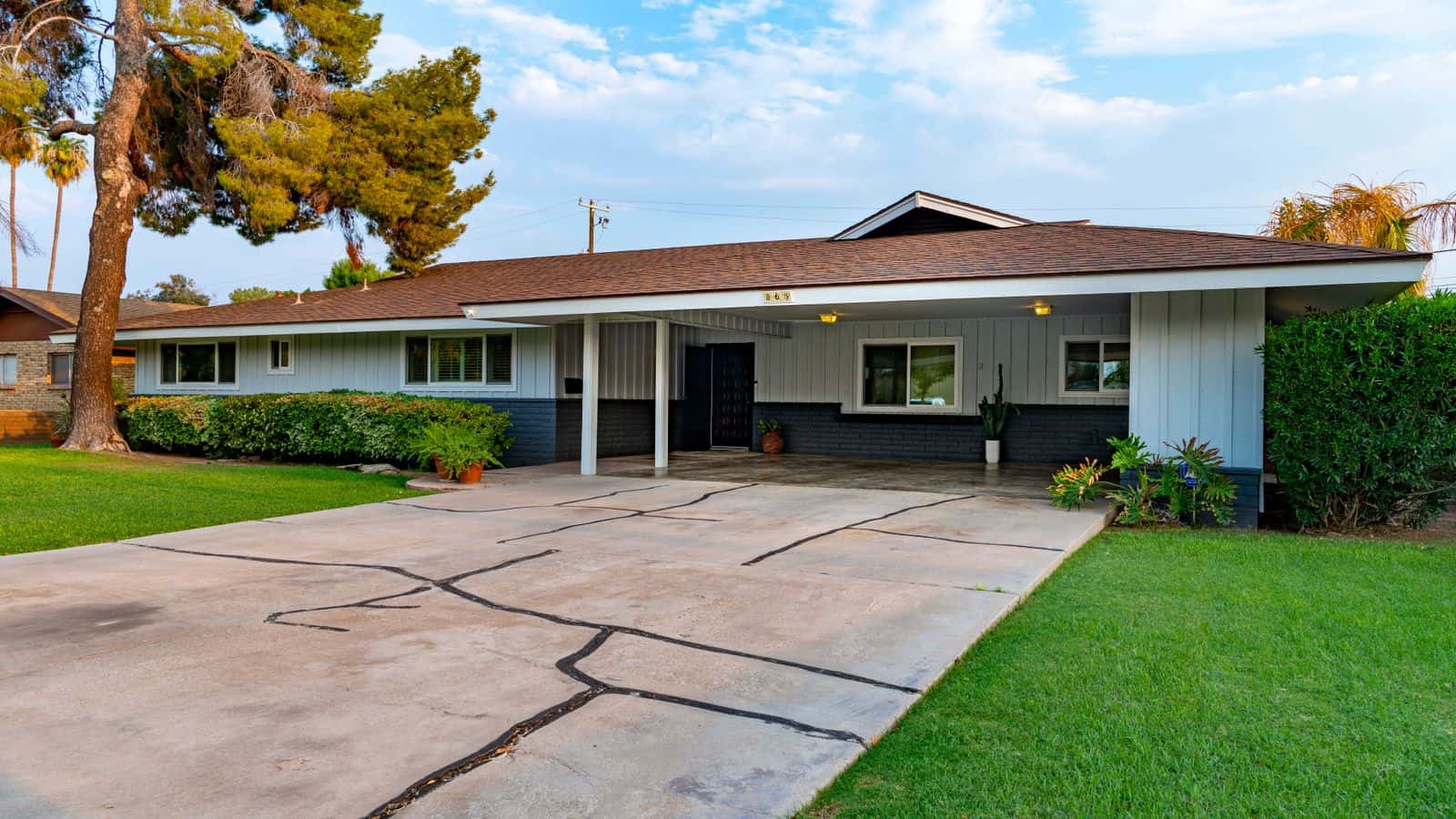
Property management in Charleston Heights, for the Las Vegas owners looking into it, usually involves an older, centrally located neighborhood built well before Summerlin or Henderson’s master planned communities existed, which changes both the tenant pool and the maintenance profile compared to a newer build on the edge of the valley. Centered around Charleston Boulevard and Rancho Drive west of downtown, Charleston Heights is known locally for the arts center and park of the same name, mature shade trees that are genuinely rare in newer Las Vegas subdivisions, and a mix of mid-century ranch style homes on larger lots than most current construction offers.
This piece covers what makes Charleston Heights distinct as a rental submarket, who tends to rent here, what an older home in this part of the valley typically needs in terms of maintenance, how pricing compares to newer construction nearby, and what an owner should ask a prospective manager about experience in this specific pocket of central Las Vegas before signing on.
Where This Neighborhood Actually Sits
Charleston Heights occupies a central position in the valley, west of downtown and the Arts District, east of the newer west side development, and within easy reach of the medical district and the government center. That location matters more for rental demand than it might first appear, because it puts tenants close to jobs in downtown, at the hospitals along Charleston and Shadow Lane, and along the Rancho Drive corridor, without the commute times that come with a home out toward the edges of the valley. Our guides to property management in downtown Las Vegas and property management in Chinatown cover two of the adjacent submarkets that share some of this same commute advantage.
Charleston Heights grew up as one of the Las Vegas valley’s earlier post-war residential expansions, built out as the city grew west from its historic downtown core in the decades before the Summerlin master plan existed at all. That history shows up today in the lot sizes, the mature landscaping, and the general layout of the streets, which tend to follow an older, simpler grid rather than the curving, HOA planned layouts common in newer developments. For an owner used to newer construction, the absence of a master developer’s design guidelines can be a genuine adjustment, but it also means fewer restrictions on what an owner can do with a property, from exterior paint colors to landscaping choices.
Who Tends to Rent Here
The tenant pool in Charleston Heights skews toward renters who value a short, predictable commute over a newer kitchen or a community pool, healthcare workers commuting to the medical district, government and municipal employees working downtown, and long time Las Vegas residents who grew up in or near the neighborhood and want to stay close to family. Commuting research consistently shows that travel time to work is one of the more durable factors in where renters choose to live, and Charleston Heights competes well on that measure against newer but farther out submarkets. The Census Bureau’s commuting data tracks exactly this kind of travel time and mode information at the metro level, and it is a useful outside reference point when an owner is trying to understand why a centrally located older home rents as reliably as it does despite its age.
This tenant profile also tends to be less sensitive to the absence of newer amenities like a community pool or a fitness center, since the trade off they are making, a shorter commute and a quieter, more established neighborhood, was the point of choosing this area in the first place rather than a compromise they are settling for. A tenant base drawn to a short commute and a settled neighborhood also tends to turn over less frequently than one drawn primarily to amenities, since the reasons someone chooses to live here, proximity to work, a preference for a mature neighborhood, family ties to the area, tend to be durable rather than tied to a life stage that eventually changes. Lower turnover generally means fewer vacancy gaps and fewer turn related expenses over the life of an ownership period, which is worth weighing against the lower headline rent compared to newer construction.
What an Older Home Here Typically Needs
Homes in Charleston Heights were mostly built decades before current Las Vegas construction standards, which means older electrical panels, original or once replaced plumbing, swamp coolers on some properties alongside or instead of central air, and mature trees that look wonderful but drop into gutters, sewer lines, and roofs in ways a newer subdivision’s young landscaping does not. A manager unfamiliar with these systems can underestimate maintenance costs and turnaround time on a home here compared to a five year old build in the southwest valley. Screening a manager’s actual experience with older housing stock, not just their portfolio size, matters more in this neighborhood than in a newer master planned community where every home is functionally similar.
Any electrical or plumbing work beyond a simple repair on a home this age should go through a licensed contractor who pulls the appropriate permit, since older systems sometimes reveal additional issues once a wall is opened that were not part of the original scope. Owners who try to save money with unpermitted work on an older home in this part of the valley often end up paying more later when a permitted upgrade becomes necessary anyway, either for a sale or because an issue escalates.
A home’s age alone does not tell an owner much without a closer look at what has and has not been updated. Ask specifically when the roof, water heater, air conditioning or evaporative cooling system, and electrical panel were last replaced, since these are the components most likely to need attention on a home of this era and the most expensive to defer. A seller’s disclosure should cover this, but a manager or inspector with direct experience in older central valley homes will often catch details a standard disclosure form does not capture, particularly around cooling systems that mix swamp cooler and central air components in ways unique to older Las Vegas construction.
How Charleston Heights Compares on Pricing
Rents here typically sit below newer construction in Summerlin or Henderson at a comparable square footage, reflecting the age of the housing stock and the absence of an HOA in most of the neighborhood, but the larger lots, mature landscaping, and shorter commute to central employment hubs keep demand steady rather than soft. An owner comparing this submarket to a newer one purely on advertised rent per square foot is missing part of the picture, since carrying costs, including HOA dues that do not exist here in most cases, factor into an owner’s actual return differently than the headline rent number suggests.
For an investor specifically, the lower entry price typical of homes in this neighborhood compared to newer Summerlin or Henderson construction can produce a more favorable ratio between purchase price and achievable rent, even though the headline rent number itself is lower. An owner evaluating a potential purchase here should run the numbers on that ratio directly rather than assuming a lower rent automatically means a lower return.
How This Submarket Differs From Nearby Areas
Charleston Heights sits close enough to both downtown and the Arts District that owners sometimes confuse the three submarkets, but the tenant profile and the housing stock genuinely differ. Downtown Las Vegas rentals skew toward a mix of historic homes and newer infill with a more transient renter base, while the Arts District trends toward a younger, more design conscious tenant drawn to the gallery and restaurant scene. Charleston Heights is quieter and more residential than either, with a tenant base that tends to stay longer once settled. Our West Las Vegas sub-market guide covers the neighboring area on the other side of the same general corridor and is a useful comparison point for an owner deciding between the two.
An owner who already manages a property in one of these adjacent areas should not assume the same pricing and tenant expectations transfer directly to Charleston Heights. Even a short distance across the valley can separate two genuinely different rental submarkets, each with its own comparable set and its own typical tenant, and treating them as interchangeable is a common mistake among owners expanding a small portfolio across the central valley.
Questions to Ask a Manager About Experience in This Neighborhood
The Las Vegas property management company Charleston Heights owners choose should be judged on more than a general reputation. The questions below get at whether a manager actually has experience with this specific pocket of the valley rather than a citywide portfolio that happens to include it.
- How many current listings does the manager have in Charleston Heights or the immediately surrounding central corridor.
- What is their process for handling swamp cooler service calls if the home still has one.
- How do they handle mature tree maintenance, root intrusion, and gutter clearing on older lots.
- What is their experience with older electrical panels and permitting for upgrades if one needs replacing.
- Can they show comparable rents for recently leased homes in the immediate area, not just a citywide average.
How IRES Approaches Property Management in Charleston Heights
IRES manages rentals across the central valley including Charleston Heights, and that means our maintenance vendors are already familiar with the older electrical, plumbing, and cooling systems common to homes of this era rather than treating each service call as a surprise. Pricing recommendations for homes in this neighborhood are based on recently leased comparables in the immediate area rather than a citywide average that would understate what a well maintained older home here can actually command. We also track which vendors in the central valley are responsive and fairly priced for the specific repairs older homes need most often, rather than sending every service call to the same citywide vendor list regardless of a home’s age or systems. Owners with a rental in this part of the valley, or anywhere else in Las Vegas, can read more about our full approach on our property management page. An older neighborhood with real trees and a short commute does not need to apologize for not being new construction, it just needs a manager who understands the difference.