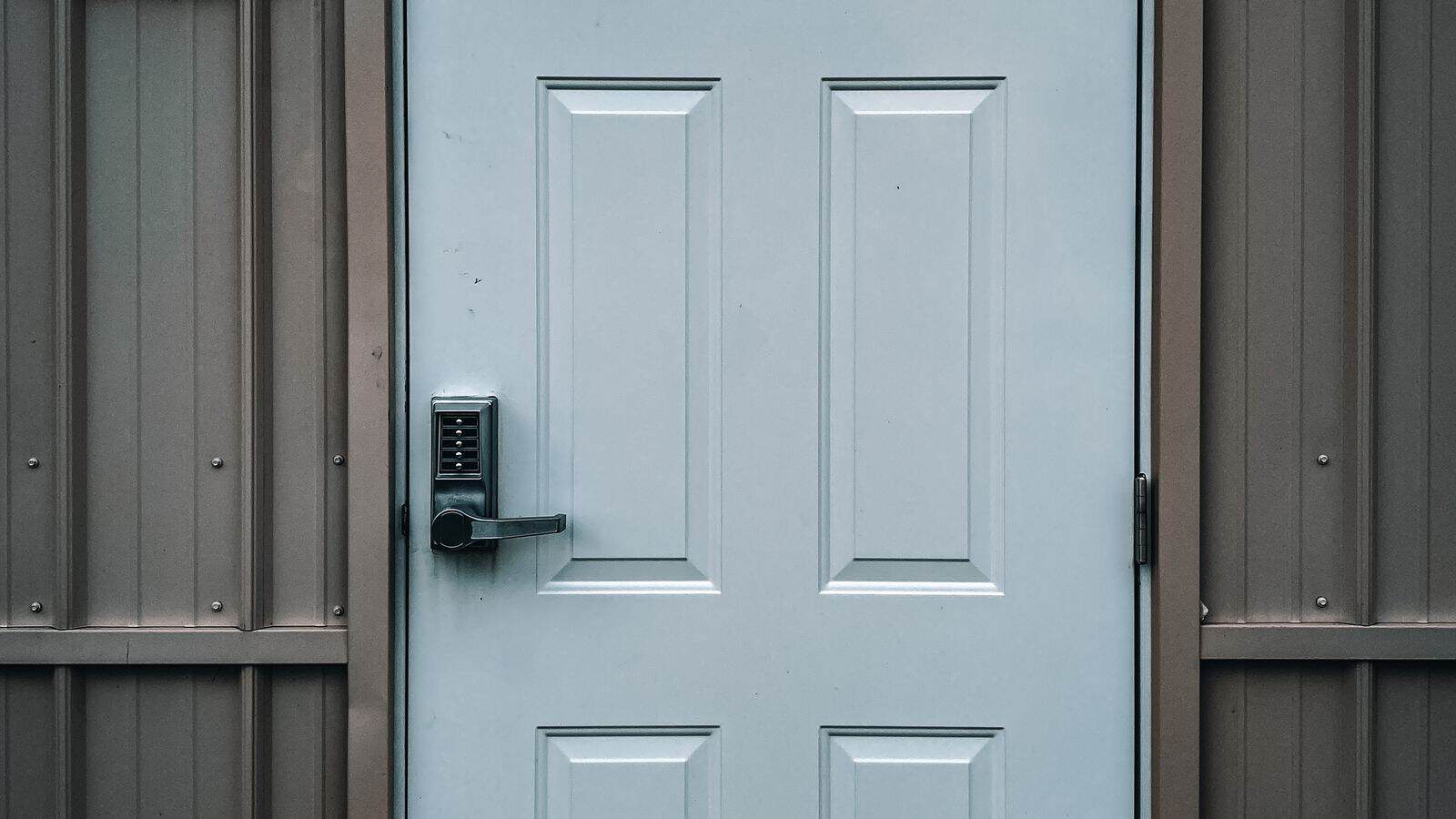
Self guided showings promise a faster lease on an empty Las Vegas house: a prospect gets a code, opens the door, looks around alone, and applies the same day. The risk is just as plain. A stranger you have not identified is inside a vacant home you own, with nobody watching. Before you say yes to the method, you should know what has to happen first.
This guide compares agent-accompanied showings with app-based self-tours, walks through the identity checks and code handling that make unaccompanied access defensible, explains how scammers exploit self-tour listings, and lists what a vacant house needs before anyone enters alone.
Should my manager use self guided showings to rent the house faster?
It depends on the house, the neighborhood, the time of year and how your manager runs the process. Self guided showings can widen the number of people who see a home, because a prospect does not have to match a schedule. They can also reduce the back and forth of booking, which helps a busy manager fill a vacancy while it is still fresh.
But speed is only one side of the trade. Every showing method answers two questions: who gets in, and who is there when they do. An accompanied showing answers both with a person. A self-tour answers them with a process, and the process is only as good as the steps built into it.
So the right question is not whether self-tours are good or bad. It is whether your manager has a written process for them, and whether the vacant house is ready for a visitor who is alone. If the answer to either is no, the faster lease is not worth the exposure.
How does an accompanied showing work?
In an accompanied showing, a representative of the manager meets the prospect at the property, opens the door, walks through the home, and locks up afterward. The representative sees who arrives. The prospect sees a person who can answer questions about the lease, the neighborhood and the application.
The cost is time. Each showing takes a slot on someone’s calendar, and prospects who cannot make the slots do not see the home. That friction is the reason self guided showings exist.
The benefit is control. The representative notices if a prospect arrives with several other people, wanders into a closet, or asks unusual questions about what is in the house. The representative can also confirm that the front door is locked, the lights are off and nothing was disturbed when the visit ends. For a home with a pool, a new appliance package or a high-value fixture, that presence has real value.
How does a self-guided tour work on a vacant home?
In a self-tour, the prospect books through an app or a listing page, verifies who they are, and receives a temporary access code or a digital key. The code opens a smart lock or a lockbox at the time they chose. They tour the home alone and leave. The manager reviews the visit afterward, sometimes through a camera or a lock log.
The technology varies, but the structure is the same. Access is tied to a booking. The booking is tied to an identity. The access window is limited. When the window closes, the code should stop working.
Each of those links can be weak. A booking can be made under a false name. An identity check can be shallow. A window can be left open too long. A code can be shared with a friend. The process works when each link is strong and fails when one is skipped for convenience.
What identity checks should happen before a code is issued?
A code should never go to someone the manager has not identified. The checks do not have to be complicated, but they have to happen before access, not after. A written process usually includes the following.
- A full legal name and a working phone number and email address for each adult who will visit.
- A photo of a government-issued ID, matched to the name on the booking by a person or by a verification service the manager has vetted.
- A confirmation message sent to the phone number given, so the number is shown to be live.
- An agreement the prospect accepts before the tour, covering conduct in the home and the rule against sharing the code.
- A limit on the number of visitors and a record of who is expected.
Collecting ID raises its own duty. The images contain sensitive information, so the manager should store them securely and delete them on a stated schedule. The Federal Trade Commission tells renters to share sensitive information only when it is needed, so a manager that asks for ID before a tour should explain why. The reason is plain: it is access to a home, and the owner wants to know who is inside.
Ask your manager whether a person reviews each ID or whether the system accepts any upload. A verification that anyone can pass is not a check. Ask also what happens when a prospect declines to verify. The right answer is that no code is issued and an accompanied showing is offered instead.
What happens to access codes after each tour?
A code that outlives the tour is an open door. The most common weakness in self guided showings is not the lock. It is a code that keeps working after the visit, or a single shared code that many people know.
A sound process issues a unique code to each visitor, active only for the booked window. The code expires automatically, and the lock log records when it was used. If a lock supports it, the manager can disable the code the moment the prospect leaves, or at least when the window closes.
Check how the manager handles the gaps. What happens if a prospect arrives early or late? What if a tour runs over? What if the app fails and a code does not expire? A manager that has thought about these cases can tell you what it does. One that has not is relying on luck.
Look, too, at the physical side. A lockbox with a single code that is changed rarely is the weakest design. A lock that can create temporary codes and report their use is stronger. Neither is a guarantee. Both are better than a code that stays the same for months.
Lastly, ask who reviews the logs. Logs only help if somebody reads them. A manager that checks the lock record after each tour can tell you when someone entered and left, which is the first thing you will want to know if something goes missing.
How do scammers hijack self-tour listings?
The Federal Trade Commission describes how rental scams work. Scammers copy real listings and replace the contact details, or invent listings for places that are not for rent. They ask for application fees, deposits or the first month’s rent, and they disappear. The agency’s guidance on rental listing scams also warns about pressure to decide quickly, rent that is far below nearby listings, and requests for payment by wire transfer, gift cards or cryptocurrency.
A self-tour listing is easy to imitate. A copied listing that offers a tour code can look more convincing than one that asks a renter to call and wait. The scammer may say the code will be sent after a deposit, or that a fee holds the time slot. The renter pays and receives nothing, or receives a code to a house that has no connection to the person selling it.
That harms the owner in two ways. A would-be tenant is cheated in the name of your property, and the listing that carries your address becomes a source of complaints. Your manager’s job is to make the real listing easy to tell from a copy. The guide on how a property manager protects a listing from scam impersonation in Las Vegas covers the monitoring and reporting steps that apply here.
For self-tours specifically, the manager can state in the listing that no payment is ever requested to receive a code, that codes are issued only through the manager’s own booking page, and that deposits are never collected before an application. A listing that says this plainly gives honest renters a reason to be suspicious of a fake.
What does a vacant Las Vegas house need before anyone tours alone?
A vacant home is not a showroom. It is an empty building with working utilities, and a few steps make an unaccompanied visit far less risky. Treat the following as a minimum before the first code is issued.
- An entry camera or a smart lock log, so every arrival is recorded, with the presence of the camera disclosed in the listing and at the door.
- Valuables removed. Leave nothing in the garage, the closets or the yard that you would mind losing.
- Appliances and fixtures that are easy to carry, such as portable units, taken out or secured.
- Shutoffs labeled for water, gas and electricity, so a leak or a problem can be handled fast.
- Utilities on and the thermostat set, so the home is comfortable and nobody is tempted to adjust equipment.
- A clear walkthrough path, with hazards cleared and the lights working, because a visitor hurt on a vacant property can lead to a claim.
- Windows and the back door locked and checked after each tour.
Vacancy has its own risks even without showings. A home that sits empty in a Las Vegas summer needs regular checks for water leaks, air conditioning failures and signs of entry. The guide to vacant property management in Las Vegas explains what a routine inspection covers and why the cadence matters. Self-tours add visitors to a property that is already unattended, so the inspection routine should tighten, not relax, when they start.
Ask your manager to walk the house after the first few self-tours. Look at the lock log, the camera record and the home itself. If something is off, the method needs adjustment before it becomes a pattern.
Which showing method fits which property?
There is no single answer, and a good manager will not push one method on every house. A modest, move-in-ready home in a busy rental area, with a camera, a smart lock and a verified prospect pool, may suit self-tours. A larger home with high-value finishes or a pool may suit accompanied showings, at least for the first visit.
A mixed approach is common. The manager offers accompanied showings by default and allows self-tours for prospects who have completed verification and an initial screening. That keeps the strongest control for the first contact and lets serious applicants return alone for a second look.
How the home is presented also matters, and so does how widely it is advertised. A tour method sits inside a larger marketing plan, which the overview of how property managers market a Las Vegas rental describes. The method should match the plan, the property and the owner’s comfort level.
Your own tolerance counts as well. If the idea of strangers alone in the house makes you uneasy, say so. A manager can run an accompanied schedule for a few extra days without hurting the lease date much, and the choice remains yours.
What should you ask your manager about its showing method, in writing?
Whatever method your manager recommends, get the answers in writing before the first tour. A short list of questions makes the plan concrete, and a clear reply tells you the process exists.
- Which showing method will be used for this house, and why?
- How is each visitor identified before access, and who reviews it?
- How are access codes issued, limited in time and deactivated?
- Who reviews the lock log or camera record, and how soon after each tour?
- What will be removed or secured in the house before showings begin?
- What does the listing say to help renters tell it from a copy?
- Who do you contact if something goes missing or a visitor reports a problem?
The answers do not need to be long. They do need to be specific. A manager with a real process can reply in a few lines, and you will see it in the detail.
A written reply also protects you if a dispute comes up. It shows what was agreed, and it gives the manager a standard to follow. Showing method is a decision about your property, and it belongs to you as much as to the manager. For a view of what a Las Vegas manager handles from listing to move-out, see the page on property management in Las Vegas, then bring these questions to the conversation.
Faster is useful. Faster and controlled is better, and that is the standard to hold the method to.