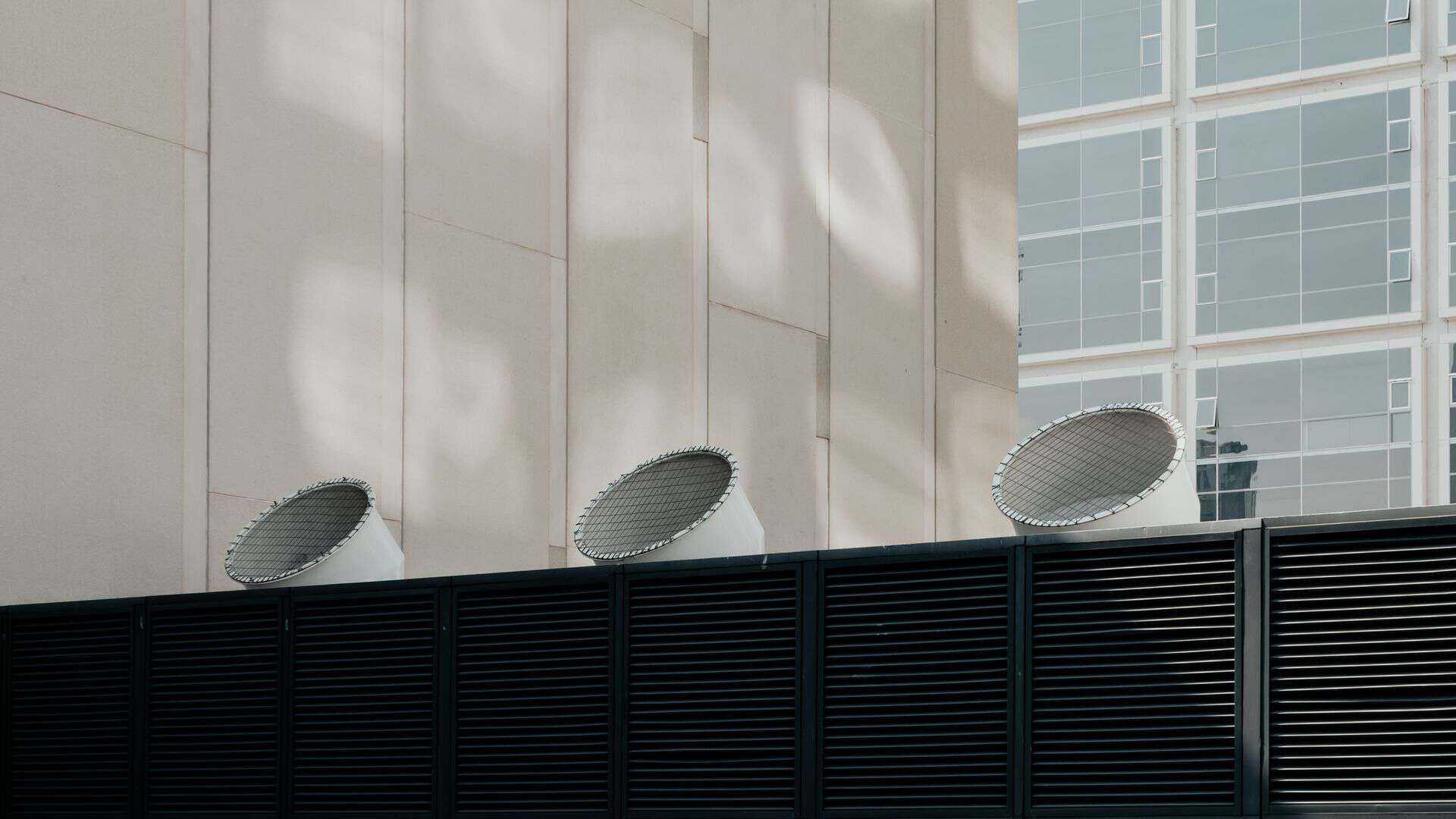
Plenty of people who move to Las Vegas assume every house in the valley runs refrigerated air. Walk enough older streets in North Las Vegas, the east side, or the pockets around Charleston and Eastern, and you will still find roof-mounted evaporative coolers doing the work every summer. Some are original to the house. Some were kept alive by an owner who never wanted to write the check for a full conversion.
If you own one of those properties, the swamp cooler is not a quirky detail you can ignore. It shapes what you can charge, how long the home sits vacant in July, which applicants show up, and how many maintenance calls you take between May and September. It also shapes what happens when the monsoon moisture arrives and the machine quietly stops doing its job for a week.
What follows is the operator view of evaporative cooling on a Las Vegas rental. Where these systems still exist, how they behave against refrigerated air in a real Vegas summer, what tenants think when they see one, and how to decide whether the conversion is worth funding this year or the year after.
Where Evaporative Cooling Still Shows Up in the Valley
Evaporative cooling belongs to an older Las Vegas. It was cheap to install, it matched a desert that was genuinely dry most of the year, and for decades it was simply how modest homes here got through August. That housing stock has not disappeared. It sits in the older ring of the valley, in single story homes built well before the master-planned era, and in the occasional casita, garage conversion, workshop, or detached studio that was never brought onto the main system.
You also see hybrid setups more often than people expect. A house gets a refrigerated split system on the main living area at some point in its life, and the old cooler stays on the roof serving a back bedroom or an addition. The tenant then has two very different cooling experiences depending on which door they walk through, which is exactly the sort of thing that generates a service ticket in the second week of July.
When you are underwriting an older property, treat the cooling system as a line item you actually inspect rather than a checkbox on a listing sheet. Get on the roof or send someone who will. A cooler that has been patched for fifteen years reads very differently from one that was replaced three seasons ago, and the difference lands in your reserve plan long before it lands in your rent.
How the Two Systems Behave in a Real Vegas Summer
An evaporative cooler pulls outside air through wet pads and uses evaporation to drop the temperature of that air before pushing it into the house. It works beautifully when the outside air is hot and bone dry, which describes May, June, and much of September in this valley. The Department of Energy lists evaporative coolers among the cooling approaches that provide comfort with less energy use than conventional air conditioning, which is a fair summary of their appeal in a desert climate, and you can read the federal overview of home cooling options for the broader context.
The problem is that Las Vegas is not dry every week of the year. When monsoon moisture pushes into Southern Nevada in July and August, dew points climb, the pads stop delivering the same temperature drop, and the house gets warm and sticky at the same time. Tenants describe this as the cooler being broken. It usually is not broken. It is doing exactly what the physics allow, which is a much harder conversation to have over the phone at nine at night.
Refrigerated air does not care about outdoor humidity in the same way. It recirculates indoor air, removes heat and moisture, and holds a set point regardless of what the sky is doing. That reliability is the entire reason the market has moved toward it. It is also why a refrigerated home and an evaporatively cooled home are not really competing for the same renter, even on the same street.
What Tenants Think When They See the Cooler on the Roof
Renters coming from California, Texas, or the Midwest often have no reference point for evaporative cooling at all. They see a metal box on a roof, they hear the word swamp, and they picture something antique. Renters who grew up here understand it fine and may not object, but they will price it into what they are willing to pay.
The practical friction shows up in daily living. Evaporative cooling needs a path for air to leave the house, so windows or vents stay cracked while it runs, which conflicts with how most people think about security, dust, and noise. Anyone with allergies notices the outside air moving through. Anyone used to a thermostat set point notices that the house drifts with the weather instead of holding a number.
Disclose the cooling type in the listing, in the showing, and in the lease. An applicant who learns about the swamp cooler after signing becomes a complaint in month one and a non-renewal in month twelve. An applicant who knew going in and chose the lower rent anyway tends to be a stable tenant. If you want the full picture of how systems and disclosures affect renewal behavior, our guide on reducing tenant turnover in your Las Vegas rental covers the pattern.
The Operating Cost Trade, Power Against Water and Labor
Owners usually compare the two systems on the tenant’s power bill alone, which is only part of the picture. Evaporative cooling moves a large volume of air with a fan and a small pump, so its electrical draw during the cooling season is modest compared with a compressor cycling all afternoon. On a hot dry June day that difference is real, and tenants in these homes often notice it.
Set against that, an evaporative cooler consumes water every hour it runs, and it consumes it in a valley that thinks carefully about every gallon that comes off the Colorado River. It also consumes labor. Pads foul with mineral deposits and need replacing on a season cycle rather than a whim, the water distribution lines clog, the float valve sticks, the pump fails, and the unit has to be drained and covered before winter so a freeze does not crack it. None of that is difficult work. All of it is recurring work that lands on the owner.
Refrigerated air trades that recurring water and pad cost for higher summer electricity and a different service profile. The cost curve is not linear either, since a struggling condenser in a Vegas August burns power on a scale that a healthy one does not. If the tenant is carrying the electric bill, that inefficiency shows up as their problem and your renewal risk. Our post on keeping summer power bills down in a Las Vegas rental is a useful thing to hand a tenant who is bracing for their first Vegas July.
Running the Conversion Math Before You Write the Check
Converting a swamp cooler house to refrigerated air is not a simple appliance swap, and any bid that treats it as one deserves a second look. Depending on the home you may be adding a condenser pad and electrical, running refrigerant lines, installing an air handler or furnace and coil, and in older homes evaluating whether the existing duct system can move the air at all. Some of these houses were built around ductwork sized for a very different appliance.
Get three written bids from licensed contractors and make each one spell out the scope in the same terms so you are comparing the same job. Ask what happens to the roof penetration where the cooler sat, because an abandoned opening that is not properly closed becomes a monsoon leak the following summer. Ask about permitting, because the work is permitted work and an unpermitted conversion follows the property to the next appraisal.
On the return side, be conservative. A conversion typically widens your applicant pool, shortens vacancy in the peak leasing months, and supports a rent that competes with comparable refrigerated homes nearby rather than sitting below them. It rarely produces a dramatic rent jump on its own. Model it as a capital project with a multi-year payback and fund it from reserves rather than cash flow, which is exactly the discipline we lay out in our guide to CapEx reserves for Las Vegas rentals.
Timing matters as much as price. Bids in April are not the same as bids in mid July, and a conversion attempted during a heat wave means a tenant living in a construction zone with no cooling at all. Plan these projects for the shoulder seasons and treat a mid-summer emergency conversion as the expensive outcome you were trying to avoid.
If You Are Keeping the Swamp Cooler, Run It Like an Operator
Deciding not to convert is a legitimate decision. Deciding not to convert and then also not maintaining the unit is how owners end up with a habitability complaint and a bad review in the same week. If the cooler stays, put it on a calendar and treat it the way you treat the rest of the mechanical package.
- Service the unit before the first hot week, not after the first complaint, including pads, pump, float, belt, and bleed line.
- Winterize it properly, with the water shut off, the lines drained, and the unit covered so freeze damage does not greet you in April.
- Tell the tenant in writing how the system works, why windows need to be cracked, and what to expect during monsoon weeks.
- Log every visit and every part, so you have a maintenance record if the system ever becomes the subject of a dispute.
Build the visits into the same annual rhythm you use for the rest of the property. Our HVAC maintenance guide for Las Vegas rental property landlords lays out the seasonal cadence, and the same logic applies to an evaporative unit even though the parts list is different.
Where the Habitability Line Sits in Nevada
Nevada’s habitability statute, NRS 118A.290, requires a landlord to keep ventilating and air-conditioning facilities in good repair where the landlord supplies them or is required to supply them, alongside the heating, plumbing, and electrical obligations in the same section. The cooling equipment you put on the property is equipment you are on the hook to maintain, whatever type it is.
That framing matters more in August than in February. A cooling failure during a Las Vegas heat wave is not a routine work order, and treating it as one is how owners get themselves into trouble. If you want the specifics on response expectations when cooling goes down, we cover that ground in detail in our post on what to do when a tenant says the AC is broken.
The practical takeaway is simple. Whichever system your property runs, the owner carries the duty to keep it working, and the system that fails least often during the worst week of the year is the one that generates the fewest legal and reputational problems.
If you are weighing a refrigerated air conversion on an older Las Vegas rental, or you already own a home with an evaporative cooler and want a straight answer on what it is costing you in vacancy and service calls, reach out to the IRES property-management team for a straightforward consultation.
For the full scope of how we manage Las Vegas rentals end to end, see our property management services.
Need Help Managing Your Las Vegas Rental?
IRES takes the stress out of property management. Whether it’s tenant screening, lease enforcement, rent collection, or just getting your time back, we’ve got you covered.
Call us: 702-478-2242
Email: brandy@iresvegas.com
Or visit our Contact page
This article provides general information about Nevada landlord-tenant law and federal fair housing requirements and should not be considered legal advice. For specific legal questions, consult a licensed Nevada attorney.