You signed the lease, you have the keys, and the manager mentioned in passing that utilities need to be in your name by move in day. Simple enough, until you realize the valley has one electric company, one gas company, three different water providers depending on your address, a county sewer district, a franchised trash hauler and half a dozen internet options. Nobody hands you the map.
Getting this wrong has real consequences. Some landlords will not release keys without proof that power is transferred. Miss the water account and you may inherit a shutoff notice meant for the last tenant. Order internet late and you can spend your first two weeks working from a coffee shop.
Here is the map. This is who serves what in the Las Vegas valley, what each provider will ask for, what deposits they can legally charge, and the order to do it all in so everything is live the day you move in.
Know Which Providers Serve Your Address
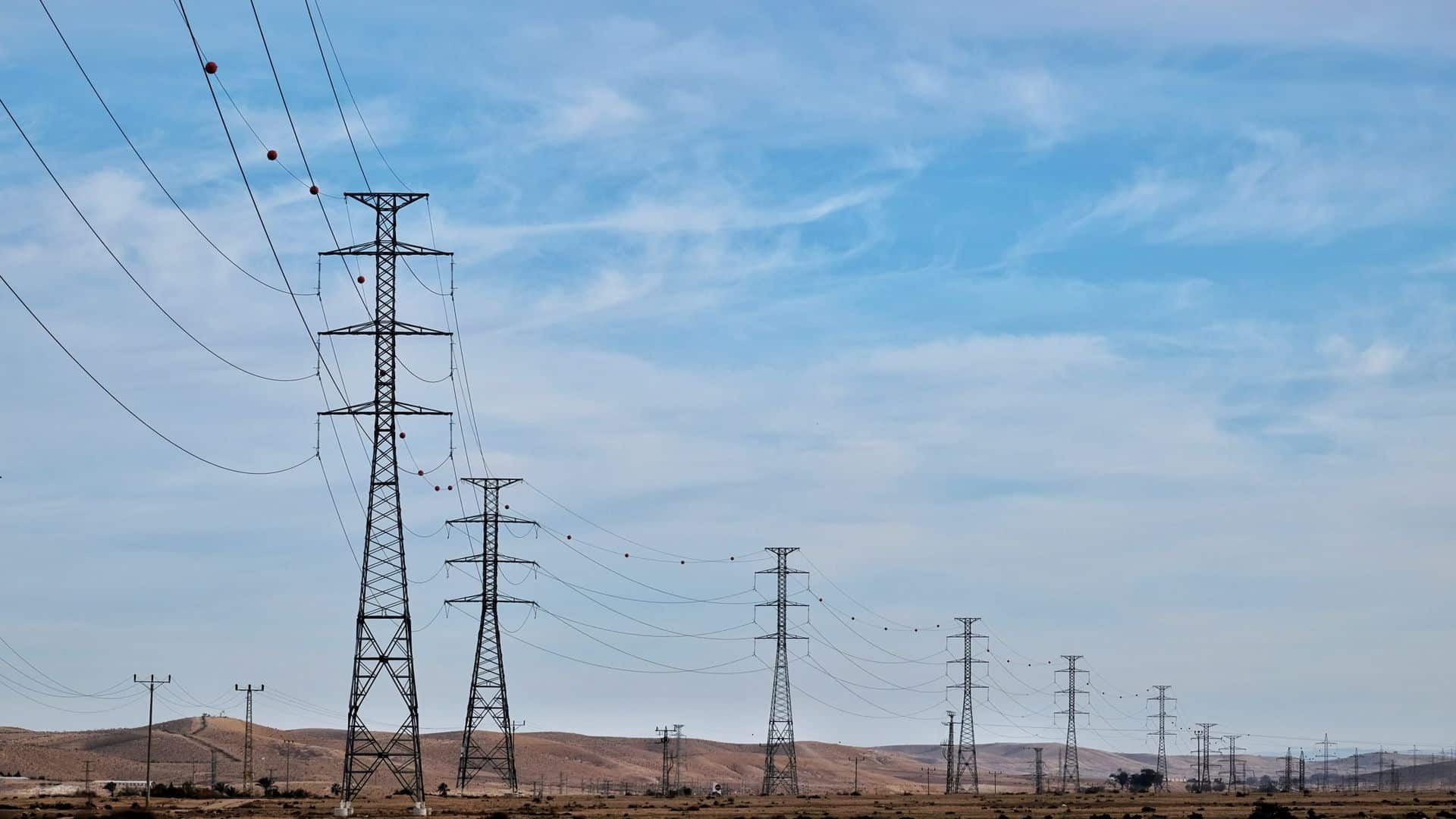
Electricity across southern Nevada comes from NV Energy, full stop. Natural gas, where the home has it, comes from Southwest Gas. After that it depends on where you live. Renters inside the city of Las Vegas and most unincorporated Clark County neighborhoods get water from the Las Vegas Valley Water District. Henderson runs its own municipal utility for water and sewer, and so does North Las Vegas.
Sewer service follows a similar split, billed by the city where the city runs it, and by the Clark County Water Reclamation District in most unincorporated areas. Trash and recycling across the valley is handled by Republic Services under franchise agreements, usually billed quarterly.
Before you assume anything, confirm two things with your landlord or property manager, which utilities are in the tenant’s name under the lease, and which providers serve that specific address. Our guide on who pays for utilities in a Las Vegas rental covers the typical split, tenants usually carry power, gas and internet everywhere, while water, sewer and trash vary by property and lease.
Electric Service Through NV Energy
Start with electricity, because in this climate it is the utility that matters most. NV Energy lets you start, stop or transfer service online, and same week start dates are normal when the home already has an active meter. Set the start date for the day before your lease begins so you never walk into a dark, hot house.
Expect an identity check when you open the account, and possibly a deposit if you have no history with the utility or a rough payment record. Summer bills are the shock for newcomers, cooling a detached home through a Las Vegas July is a serious line item, so budget for it from the start. We wrote a practical playbook on keeping summer power bills down in a Las Vegas rental that is worth reading before your first triple digit week.
Gas, Water, Sewer and Trash, Who Handles What
If your rental has gas appliances, a furnace, a water heater or a range, open a Southwest Gas account the same day you handle power. Gas bills in the valley run opposite to electric, small in summer and larger in winter when heating kicks in.
For water, call the provider that matches your address, the Las Vegas Valley Water District, the city of Henderson or the city of North Las Vegas. Some single family leases keep water in the owner’s name and bill it back, others put it in yours, follow the lease. Sewer and trash often ride along with the property rather than the tenant, but confirm rather than assume, because an unpaid final bill from a prior occupant is not a problem you want attached to your move in week.
One local note, sewer in unincorporated Clark County is billed separately from water, so do not panic when two different agencies send you water related bills. That is normal here. And keep an eye on billing frequency, some of these accounts bill quarterly rather than monthly, which means a bill that looks alarmingly large may simply cover three months of service. Read the period on the statement before assuming something is wrong.
Utility Deposits, What the Rules Actually Say
Deposits are the part renters worry about most, and the rules are more protective than people expect. NV Energy and Southwest Gas are regulated by the Public Utilities Commission of Nevada, and under the rules in the PUCN applications for service and deposits FAQ, a deposit for electric or gas service cannot exceed one and a half times the estimated average monthly bill at the residence, and deposits must be returned with interest once you establish satisfactory credit, including after twelve consecutive months of timely payments.
That means a deposit demand should be modest, tied to real usage at the home, and temporary. Many customers avoid deposits entirely by establishing credit through the utility’s other accepted methods, so ask what your options are before paying.
Keep every confirmation number and final bill from your old providers too. A clean utility payment record is quiet gold for renters, some screening reports include utility collections, and a history of paid on time accounts helps the next application.
Internet and the Order Early Rule
Most of the valley is served by Cox on cable and by Quantum Fiber or CenturyLink where fiber or DSL is built out, with fixed wireless home internet from the big mobile carriers filling gaps. Availability is address specific, two houses on the same street can have different options, so run your exact address through each provider’s checker rather than trusting a neighborhood level answer.
Order internet the day your application is approved, not the day you move in. Self install kits are quick when the home is already wired for the provider, but a technician visit can take a week or more to schedule during busy season. If you work from home, that lag is the difference between a smooth move and a very awkward first week.
Ask the landlord or the previous tenant which provider served the home last, existing wiring for that provider usually means a same day self install instead of a truck roll. And if a listing advertises fiber, verify it at your unit number, buildings are sometimes wired in phases and the leasing office’s answer can be a building level answer rather than a unit level one.
A Two Week Setup Timeline
Here is the sequence that works, assuming a move in date two weeks out.
- Days one and two, confirm with your manager which utilities go in your name, then open the NV Energy and Southwest Gas accounts with a start date one day before move in.
- Day three, set up water with the district or city that serves the address, and ask about sewer and trash while you are on the line.
- Day four, order internet and book the earliest install slot.
- Final week, buy renters insurance if you have not already, most Las Vegas leases require it, and our overview of renters insurance in Las Vegas explains what it covers and roughly what it costs.
- Move in day, photograph the meters if you can access them, and file your account numbers somewhere you will find them again.
If you are new to the valley entirely, our relocation renter’s guide to moving to Las Vegas and our first apartment checklist walk through the rest of the landing sequence beyond utilities.
If a Utility Dispute Goes Sideways
Billing mistakes happen, estimated reads, misapplied payments, a deposit that never comes back. Work the provider’s own dispute process first, in writing, and keep the paper trail. For the regulated utilities, electric and gas, the PUCN operates a consumer complaint division that investigates disputes over billing, deposits and disconnections when the utility itself does not resolve them.
If the dispute is really between you and your landlord, for example a lease that promised water included and a bill that says otherwise, that is a lease conversation, not a utility one. Raise it with the manager in writing and point to the lease language. Good managers fix those fast, because utility confusion is one of the most common and most avoidable sources of tenant friction.
Two closing habits round out the move. Close your old accounts with a specific stop date rather than letting them ride, request final bills in writing, and pay them promptly so nothing drifts into collections while you are busy unpacking. Then set a calendar note for your first full billing cycle in the new home, one month of real usage tells you what summer will cost far more accurately than any estimate, and it is the moment to adjust your budget before the July bill does it for you.
If you are getting ready for a move and want a rental where the utility handoff is organized before you ever get the keys, reach out to the IRES property management team for a straightforward consultation. Every IRES managed home comes with clear move in instructions, and residents always know exactly who to call.