Every set of keys you have ever handed out for your rental is still out there somewhere. The tenant who moved to Reno, the boyfriend who lived there unofficially for a year, the handyman who needed access for a week in 2022, the cleaner who copied a key to make her schedule easier. Keys do not expire, and they do not come back just because a lease ended.
That is the entire argument for a disciplined lock program at a rental property, and it is a shorter argument than most landlording topics. What is worth more discussion is how to run that program in 2026, when a $150 keypad deadbolt can eliminate the physical key problem entirely, and what the handoff should look like so you are never guessing who can open your front door.
Here is how we handle locks across the properties we manage in the valley, and how a self-managing owner should think about the same decisions.
Rekey at Every Turn, Treat It as Non-Negotiable
Let us clear up the legal picture first, because owners ask. Nevada law lists a functioning door lock among the essential items a landlord must supply and maintain, sitting in the same statutory sentence as heat, air conditioning, running water, and electricity. Once a tenant gives written notice that an exterior lock has failed, the landlord has 48 hours, excluding weekends and legal holidays, to make it right before the tenant picks up the remedies Nevada attaches to essential item failures. What Nevada law does not do is spell out a specific requirement to rekey between tenants the way a few other states do. Do not let that gap fool you into skipping it.
Rekeying at every turnover is the professional standard for a simple liability reason. If a prior keyholder enters and harms a new tenant or their property, the first question in any claim will be what you did to secure the home between tenancies. A $25 to $50 per-lock rekey, or a do-it-yourself rekeying kit if your locks support it, is the cheapest insurance in the entire make-ready budget. We fold it into the standard turnover checklist alongside paint and carpet, and our walkthrough of the make-ready and unit turn process shows where it fits in the sequence.
Rekey, do not replace, in most cases. A locksmith swaps the pins inside your existing hardware so old keys stop working, which costs a fraction of new locks. Replace outright when hardware is worn, when the finish is corroded from sprinkler overspray, which happens constantly on west-facing Vegas doors, or when you are upgrading to a keypad anyway.
Rekey every exterior lock, not just the front door. The side gate, the garage service door, the back slider bolt, and the exterior storage closet all count, and the one everybody forgets is the garage keypad code on the wall by the door, which is a working entry point that no locksmith will touch unless you ask. Write the full list of access points on your turn sheet once and stop relying on memory.
Mid-Lease Lock Changes, Where Owners Get in Trouble
Two mid-lease scenarios deserve their own paragraph each. First, a tenant who changes the locks without permission. Most leases prohibit it, and you have remedies, but you cannot respond by locking them out. We cover the correct sequence in what to do when a tenant changes the locks.
Second, the reverse, an owner who changes locks on a tenant who is behind on rent. That is a self-help eviction, it is unlawful in Nevada, and it hands the tenant statutory remedies against you. Our piece on illegal lockouts in Nevada explains why this backfires every single time. The only lawful path to recovering possession from a tenant who will not leave runs through notice and the court.
One more mid-lease case worth planning for. Tenants who are victims of domestic violence may need locks changed quickly, and doing it promptly at their request is both the humane and the low-risk move. Have a locksmith you can dispatch same-day.
Roommate departures are the quiet third case. When one occupant on a shared lease moves out after a falling out, the remaining tenants often ask for a rekey, and the right answer is usually yes, promptly, with the cost handled per your lease. A cheap rekey beats the alternative, which is a former occupant with a working key and a grievance, and it is the kind of request that costs nothing to grant and looks terrible in hindsight if you refuse it.
Smart Locks, What They Actually Solve
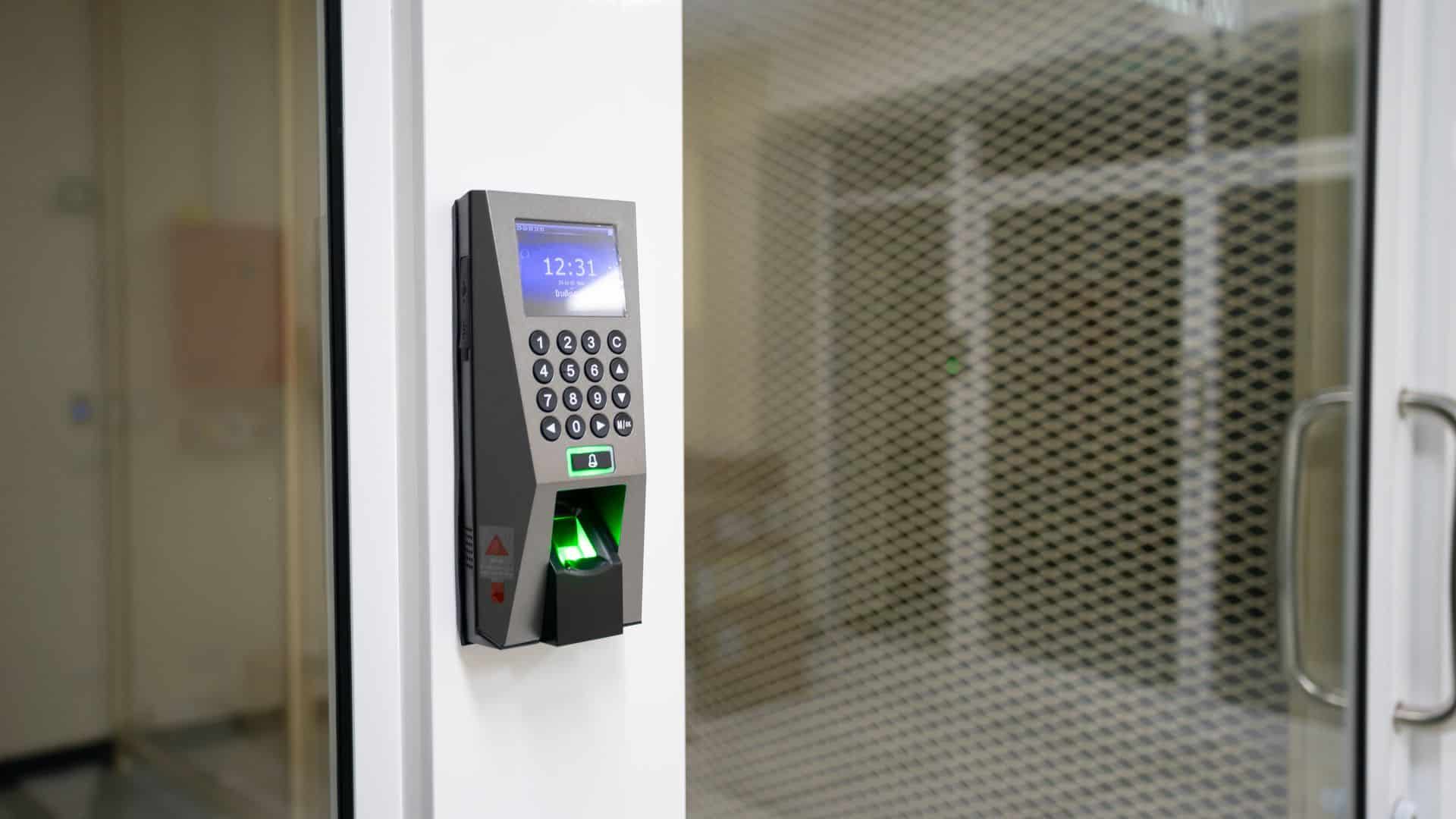
Keypad and app-controlled deadbolts have gone from novelty to near-standard on managed single-family rentals, and for good reason. The core benefit is that codes replace keys, and codes can be created and deleted remotely. A turnover stops being a locksmith visit and becomes a thirty-second code change. Vendor access stops being a key in a lockbox and becomes a temporary code that expires Friday at 5 p.m. If you want a deep comparison of hardware options and how the connectivity tiers differ, Security.org’s smart lock guide is a thorough, brand-by-brand resource.
For rentals specifically, we recommend keypad deadbolts with a physical key override, in the middle of the price range, roughly $120 to $250. Skip the bottom tier, which fails in our summer heat more often than the spec sheets admit, and skip the luxury tier, because tenants do not pay more rent for a fingerprint reader. Battery-powered models with a standard keyway give you a fallback if electronics die, and they die less dramatically than people fear, with most units warning for weeks before batteries give out.
Two Vegas-specific notes. Direct summer sun on a south or west-facing metal door can push surface temperatures far beyond what cheap electronics tolerate, so buy hardware rated for high heat and prefer doors with some shade. And if the property sits in a gated community, remember the smart lock only solves the front door, while gate remotes and pool fobs still need their own handoff discipline, a category of access we track just as carefully as keys.
Choosing the Connectivity Tier That Fits a Rental
Smart lock shopping gets confusing because three different products share the name. The simplest is an offline electronic keypad, no radio, no app, codes programmed at the door. The middle tier adds Bluetooth, so codes can be managed from a phone standing near the lock. The top tier connects to the internet through wifi or a hub, which is what allows a code to be issued from an office ten miles away and an entry log to be read in real time.
For a self-managing owner with one or two properties across town, the offline keypad is often the right answer. It costs less, it has nothing to break, batteries last longer without a radio running, and changing a code at turnover takes one visit you were making anyway. For a portfolio, or for any owner who dispatches vendors regularly, the connected tier earns its price the first time you avoid a drive to let somebody in.
Decide up front whose account the lock lives in. A connected lock is only as portable as its administrator login, and we have inherited plenty of properties where the codes sat in a former manager’s personal app account with no way to reset them short of a factory wipe at the door. The owner or the management company should hold the administrator credential, tenants get user codes, and the credential transfers in writing when management or ownership changes. That single habit prevents a genuinely annoying afternoon.
One caution on the entry log. It is real evidence, and it cuts both ways. A log proves a vendor showed up when they billed you for the visit, and it equally proves the exact minute an owner walked in without notice. Anyone who plans to use logs as documentation should be prepared to have their own entries read back to them.
Who Holds Keys and Codes, a Simple Access Policy
Write down who can open the door and keep the list short. In a self-managed rental, that is the tenant and you. In a professionally managed one, it is the tenant and the management office, with vendor access issued per-job and logged. Nobody else. Not your brother-in-law, not the yard crew, not a lockbox that has hung on the hose bib since the listing period.
With smart locks, give the tenant their own code and let them add household codes themselves if the hardware allows. You keep an owner or manager code, and here is the part that matters, you still cannot use it freely. Nevada requires advance notice before non-emergency entry, and a code does not create an exception. Our guide on when a landlord can enter a rental covers the notice rules.
Vendor access is where sloppy habits develop. A temporary code with an expiration beats handing a key to a contractor every time, and it is one of the reasons managed properties have largely moved to keypads. When we dispatch a vendor, the code exists for the duration of the job and then it does not, and the log shows exactly when they entered and left.
Lockouts deserve a written policy before the first 11 p.m. phone call. Decide in advance who a tenant calls, whether you will drive out, and who pays. Standard practice is that a tenant who locks themselves out pays the locksmith or the trip charge, while a lock that genuinely failed is the owner’s cost and the owner’s clock. Put that distinction in the lease, because the argument is far easier to have in writing at signing than in a driveway at midnight. Keypads reduce these calls to nearly zero, which is a quiet part of their return.
Access During the Listing Period
The riskiest access window at any rental is the one owners think about least, the weeks when the home is vacant and being shown. A lockbox on the hose bib with a four digit code, shared over text with every agent who asks, is functionally a public door. Codes get forwarded, screenshots circulate, and the box often stays on the property well past the day the lease signs.
Handle it deliberately. Use a lockbox with a rolling or trackable code rather than a fixed one, change the code between showing weeks, and put the removal of the box on your move-in checklist so it comes off the day keys are issued. If the home has a keypad deadbolt, skip the box entirely and issue showing codes that expire, which also gives you a record of who actually toured the property.
The same discipline applies to self-guided tour technology, which more Las Vegas operators use every season. It is a genuine leasing advantage in a market where prospects want to see a home at 7 p.m. on a Tuesday, and it is only safe if codes are single-use, identity is verified before issuance, and the vacant home has nothing in it worth taking. Treat a vacant listing as an access system, not an empty house.
The Key Handoff, Move-In and Move-Out Done Cleanly
At move-in, hand over every access item in writing. Keys, mailbox keys, gate remotes, garage openers, pool fobs, and codes, itemized on a receipt the tenant signs. That receipt is what makes move-out clean, because the lease can require return of every listed item and you have a signature proving what was issued. Fold it into the same paperwork as your condition documentation, which we detail in our guide to move-in and move-out inspections.
At move-out, collect against that list. Unreturned keys justify a rekey charge against the deposit, and unreturned gate remotes and fobs are often surprisingly expensive to replace through an HOA, sometimes $50 to $100 each, which is exactly why they belong on the signed issue sheet. If the tenant simply disappears and mails nothing back, secure the property immediately as part of the abandonment process, which has its own legal sequence we walk through in what to do when a tenant abandons your rental.
What This Costs and What It Returns
A full access program on a single-family rental is cheap relative to what it prevents. Call it $150 to $250 in keypad hardware per exterior door as a one-time upgrade, or $75 to $150 in locksmith rekeying at each turnover if you stay with keyed locks, plus the ten minutes of paperwork at each move-in and move-out. Against that, weigh one liability claim from a prior keyholder entering the property, one contractor with indefinite access, or one lockout call at midnight. The math is not close.
Security is also a leasing amenity now. Prospects touring homes in the valley increasingly expect a keypad on the door the same way they expect a ceiling fan in the bedrooms, and it signals a professionally run property before they have read a word of the lease.
If you are setting up your first rental’s lock and access program or wondering what a professional turnover should include, reach out to the IRES property management team for a straightforward consultation on how we secure and turn the properties we manage.
For the full scope of how we manage Las Vegas rentals end to end, see our property management services.
Need Help Managing Your Las Vegas Rental?
IRES takes the stress out of property management. Whether it’s tenant screening, lease enforcement, rent collection, or just getting your time back, we’ve got you covered.
Call us: 702-478-2242
Email: brandy@iresvegas.com
Or visit our Contact page
This article provides general information about Nevada landlord-tenant law and federal fair housing requirements and should not be considered legal advice. For specific legal questions, consult a licensed Nevada attorney.