A leak report is the one maintenance call where the clock genuinely matters. A running toilet can wait until morning. Water inside a wall cannot, because the damage curve is not linear. In the first hours you are dealing with a plumbing bill. By day three you can be dealing with swollen baseboards, lifted flooring, a musty smell the tenant will mention in every future email, and a repair scope that has tripled. This guide walks through the first 48 hours after a tenant reports a leak in a Las Vegas rental, hour by hour, the way a professional manager runs it.
Why the First Two Days Decide the Cost
Las Vegas works both for you and against you here. Our desert air is a genuine ally in drying a structure, and a small clean-water event that is opened up and dried promptly often resolves with nothing more than a plumber’s invoice and a patch. The working number to hold in your head comes from the Environmental Protection Agency, whose guidance on mold and moisture advises drying water-damaged materials within 24 to 48 hours to prevent growth from starting. Materials that stay wet past that window may need to be removed rather than dried.
Working against you is how Las Vegas homes are built and cooled. Slab foundations hide supply-line leaks until water finds an edge. Air conditioning keeps interiors closed and condensate lines run all summer, and a clogged condensate drain quietly soaks a ceiling for weeks. Monsoon season adds roof intrusions in July, August and September, often at a valley’s roof penetrations rather than anywhere obvious. A leak report in this market deserves a same-day response every time, and the valley’s summer heat means a soaked pad under carpet can start smelling in a day.
The First Two Hours
The call itself should produce answers, not just a ticket. Ask where the water is coming from, whether it is still flowing, what is wet, whether any ceiling is sagging, and whether outlets or fixtures are involved. A tenant staring at water spreading across a kitchen floor can usually stop it themselves if someone calmly directs them to the fixture shutoff under the sink or behind the toilet, or to the main shutoff at the front hose bib or the meter box near the street. Walking the tenant to a shutoff over the phone is the single highest-value minute in this whole process, which is why tenants should be shown those valves at move-in.
Open one work order and put everything in it. Time of the report, the tenant’s own words, photos or video from the tenant, the room and materials affected, who was dispatched and when, and what the next promised update is. That one dated record is what protects you later if there is a security deposit dispute, an insurance claim, or a disagreement about how fast you responded. It also keeps an after-hours handoff clean, a discipline we covered in how a manager handles after-hours emergencies.
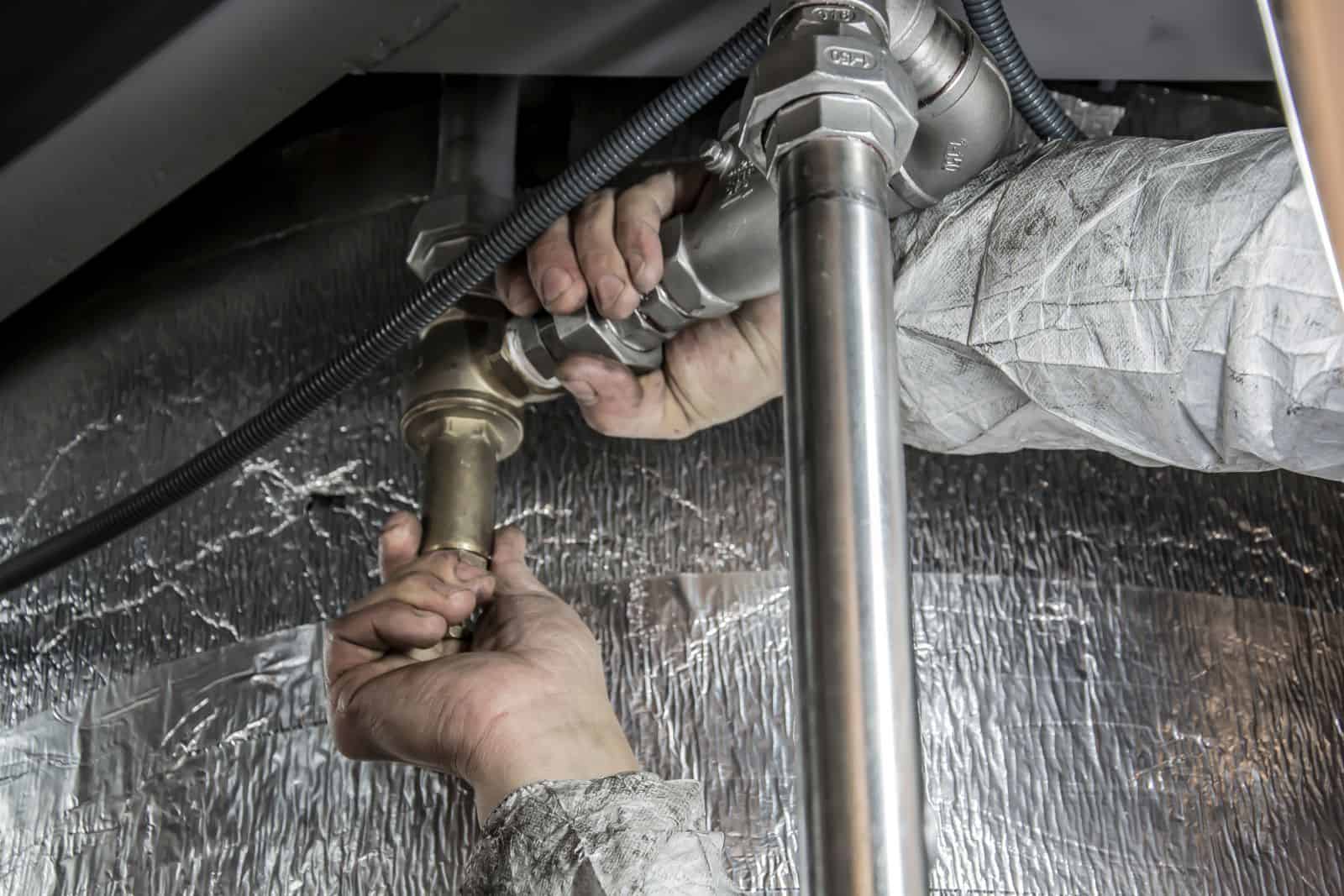
Dispatch the right trade for the source. An active supply-line failure is a plumber. A roof intrusion during a storm gets tarped first and diagnosed after the weather passes. An appliance failure, a water heater letting go in the garage, or an AC condensate backup each point to a different vendor, and sending the wrong one costs you a day.
Stopping the Source Comes Before Cleanup
Treat the repair and the drying as two separate jobs on the same work order. The plumber who replaces a failed supply line has fixed the source. He has not dried the wall cavity behind it. Work orders get closed on the strength of a repair invoice while damp drywall sits sealed behind fresh paint, and that shortcut is where most avoidable mold claims are born.
Once the source is stopped, define what got wet. Pull carpet corners and check the pad. Open the vanity and feel the cabinet floor. Look at baseboards on the far side of the wall, because water travels along the plate line and shows up two rooms away. A moisture meter is a cheap tool that answers arguments, and a vendor who dries by the numbers, with readings logged at the start and the end, gives you a file you can stand behind. Fans and dehumidifiers do real work in our climate, but only on cavities that have been opened up so air can actually reach the wet material.
The 24 to 48 Hour Decision Point
By the end of the first day you should know which of two paths you are on. The first path is a limited clean-water event, source repaired, materials identified and drying, tenant updated, with a recheck scheduled before the equipment comes out. The second path is an escalation, and the honest triggers for it are simple. The source or the full extent of the wet area is still unclear. Materials cannot be dried and saved, such as saturated pad, swollen particle board, or drywall that has wicked water up past the level you can reach. There is any visible growth or a persistent musty odor. Water came from a contaminated source such as a sewer backup, which is not a drying job at all.
Day two is a verification visit, not a phone call. Walk the unit or have your vendor re-meter the affected materials and send readings. A ticket that gets closed on a vendor’s arrival note rather than a recheck is how a two-hundred-dollar drying job turns into a five-thousand-dollar remediation with an unhappy tenant attached. Nevada’s habitability rules expect a landlord to act promptly on conditions like this, and the practical timelines for different repair categories are laid out in our guide to emergency repairs in Nevada rentals.
When a Leak Becomes a Mold Problem
If materials stayed wet past the window, or growth is already visible when the wall comes open, the job changes character. Surface cleaning is not the answer, and neither is spraying the area and closing the wall. Professional mold removal works by containing the affected area, removing materials that cannot be salvaged, addressing the moisture condition that caused the growth, and verifying the result before anything is rebuilt. The order matters. Removal without fixing the moisture source is a subscription, not a repair.
Keep your written record factual through this stage. Note what was observed, what was removed, and what was verified, and skip speculation about health effects or blame in every message. The liability questions that follow a mold complaint in Nevada, including what a landlord is actually on the hook for, are covered in our guide to mold complaints and landlord liability. The short version is that the paper trail you build in these first two days is exactly what decides how that conversation goes.
Keeping the Tenant Informed Without Overpromising
A tenant who reported a leak and then heard nothing for two days is a tenant drafting a complaint. The update they need is short and concrete. What has been scheduled, what access is needed and when, what they should avoid touching, and when they will hear from you next. Do not promise a completion date before the drying scope is known, because walking a date back reads worse than never having given one.
Drying equipment deserves its own sentence in that update. Fans and dehumidifiers are loud, they raise the power bill the tenant pays, and tenants turn them off at night if nobody explains why they matter. Tell them the equipment runs continuously for a set number of days, that turning it off extends the disruption, and that any meaningful electricity cost during the drying period is being handled fairly. A ten-dollar conversation now beats a habitability argument later.
Closing the File and Preventing the Repeat
A leak file is closed when it answers four questions. What caused the water. What was repaired, with the invoice attached. What was dried, removed, or replaced, with readings or photos. How the result was verified. Add the final photos and a two-line closeout note, because the file you build calmly today is the one you will search frantically in eighteen months.
The last step is the one that pays for the whole process. Most Las Vegas leak sources are predictable and cheap to preempt. Braided steel washer and toilet lines instead of rubber. Water heaters replaced on age rather than on failure, since most valley heaters live in garages or interior closets where a burst tank does real damage. Condensate lines cleared at the spring AC service. Roof penetrations and parapets checked before monsoon season. Angle stops exercised at every turnover so they actually close when someone needs them to. Each of those items costs less than one hour of water running inside a wall.
A 48 Hour Checklist You Can Copy
Hour one, get the water stopped, by the tenant at a shutoff if safe, and open a single dated work order with photos. Same day, dispatch the correct trade, stop the source, and record the repair separately from the drying. Identify every wet material by opening and checking, not by eyeballing paint. Start drying within the EPA’s 24 to 48 hour window and log what is running where. Day two, verify with a recheck or meter readings, then decide, close as a dried clean-water event or escalate to remediation. Update the tenant at each step in writing. Close the file only when cause, repair, drying and verification are all documented.
Running this playbook well at 2 a.m. is a big part of what owners actually pay for when they hire professional Las Vegas property management. If you would rather the next leak call ring our phone instead of yours, IRES manages single-family homes and small multifamily properties across the valley. Call (702) 478-2242 and we will walk you through how we handle maintenance, documentation and tenant communication on your property.